/
•
•
Detailed stories on technology startups, business and economic current affairs.
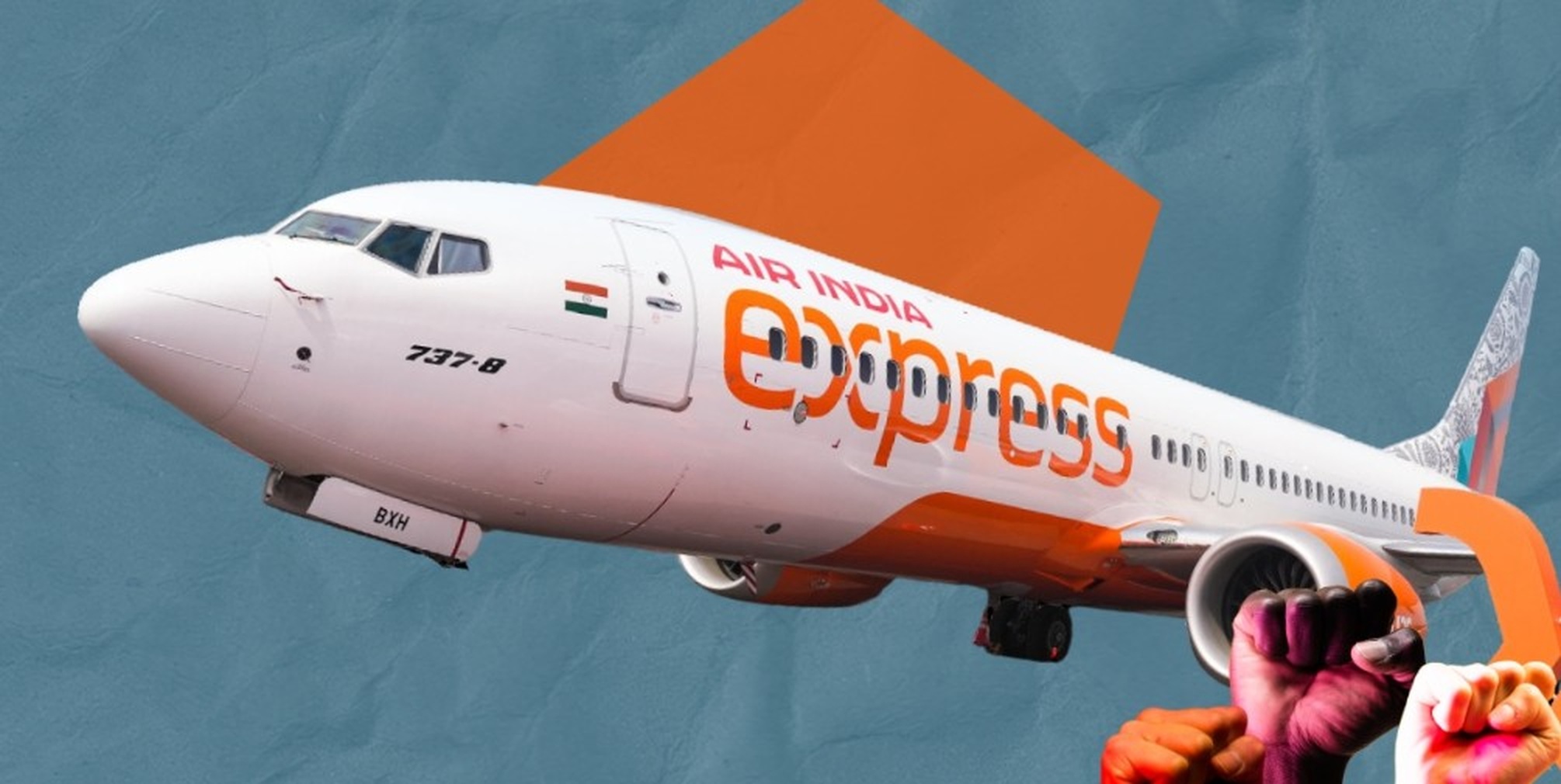
Cabin crew fatigue and mismanaged training practices threaten to hurt the Tata-owned airline’s ambitious turnaround plans.




On 29 March, Air India’s cabin crew received an updated version of their contract renewal policy. S, who declined to be named, wasn’t amused. As per the circular, which was effective immediately, S’s contract renewal could be impacted if they frequently reported sick or refused to take any scheduled flight. “This is nothing but dictatorship,” says S.
Over the past few months, S has been forced to call in sick often. “I have been falling sick due to excessive flying. In the last two months, I have taken sick leave several times,” they say. “I’m still on medication, but continue …

Government subsidies have drawn companies into basic chip packaging, where China and Malaysia already hold an edge. Moving up the value chain may prove to be a stiff task.
As the low-cost carrier pushes through a compensation overhaul, the absence of a CEO is complicating a delicate moment.

The two new chief executives at Air India and IndiGo come with contrasting reputations but face the same challenge—do their predecessors one better.