/
•
•
Detailed stories on technology startups, business and economic current affairs.
The way FSSAI issues licences to businesses makes for a largely self-regulated process. Worse, its infrequent audits and lax penalties fall way short of what is required.



Last week, in Gujarat’s Jamnagar, someone found a fried frog in a packet of Balaji chips. Prior to that, a family claimed they found a dead rat in a bottle of Hershey’s chocolate syrup ordered from a quick-commerce store. More surprises were in store when an Air India flyer reportedly found a piece of metal blade in his airline meal. Just when you thought things couldn’t get stranger, someone in Mumbai found a human thumb in the ice cream they ordered online.
Sadly, these instances are not altogether surprising or new; a glance at headlines will tell you that. According …
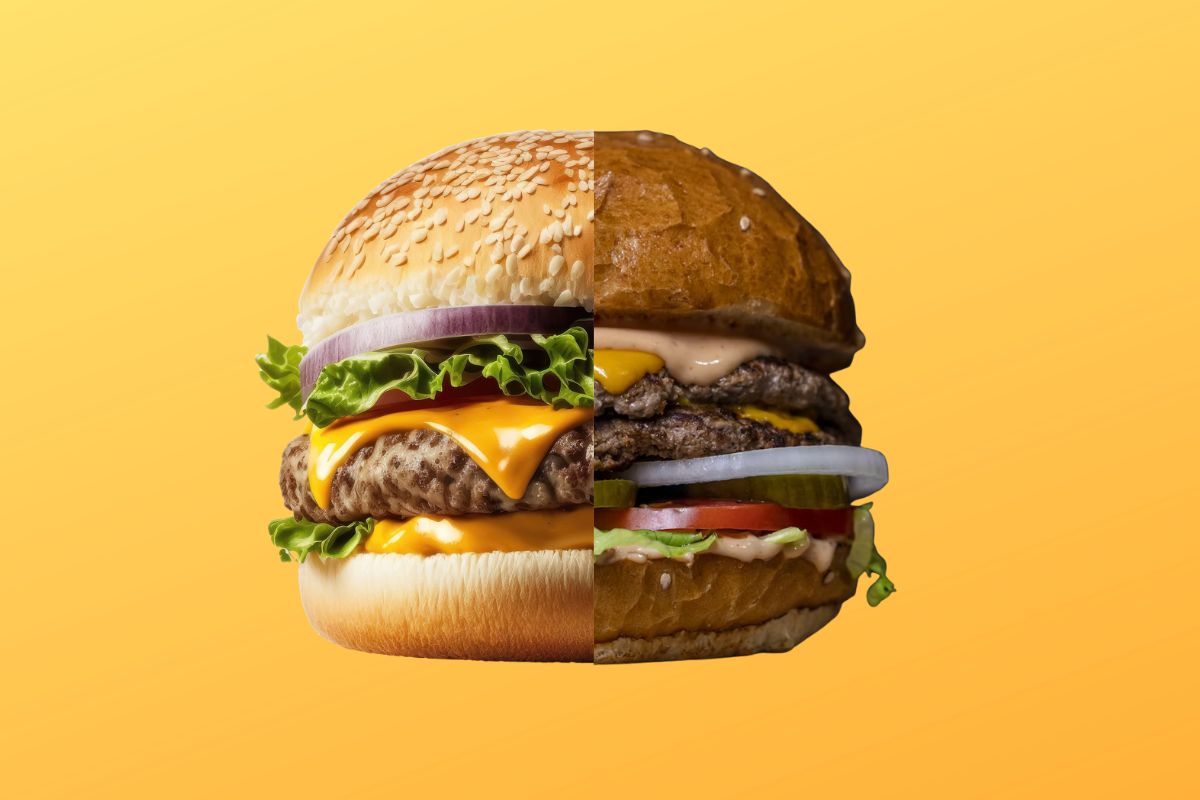
India’s grocery and food delivery platforms are increasingly displaying misleading images of food using artificial intelligence, defeating the very purpose of buying online.

The Global Access to Nutrition Index 2024 report has found that companies like PepsiCo, Nestlé and Unilever sell products in India that are nutritionally inferior to the West, taking full advantage of lax rules and low awareness.

Companies often charge heavily for A2 milk and its by-products, marketing them as more nutritious. But such claims hold little water.