/
•
•
Detailed stories on technology startups, business and economic current affairs.
Under a new CEO, the exchange’s derivatives platform has become attractive again, giving investors hope that it will claw back some of the ground it ceded to the NSE.




Last July, it looked like BSE had hit rock bottom. Its CEO of close to 10 years, Ashishkumar Chauhan, had resigned abruptly to join cross-town rival, the National Stock Exchange, and the stock was on a downward spiral. Worse, there was no smooth change of guard; the running of the exchange was handled by an executive management committee for the next six months.
While Chauhan gets credit for making BSE the world’s fastest exchange for investors to trade on—with a median speed of six microseconds—and for taking it to a successful public listing in 2017, not everything that he touched …

Thinly traded listed entities have long served as breeding grounds for stock manipulation, hurting investors. The regulator, the NSE and BSE now want to fix things by focusing on efficient delisting.
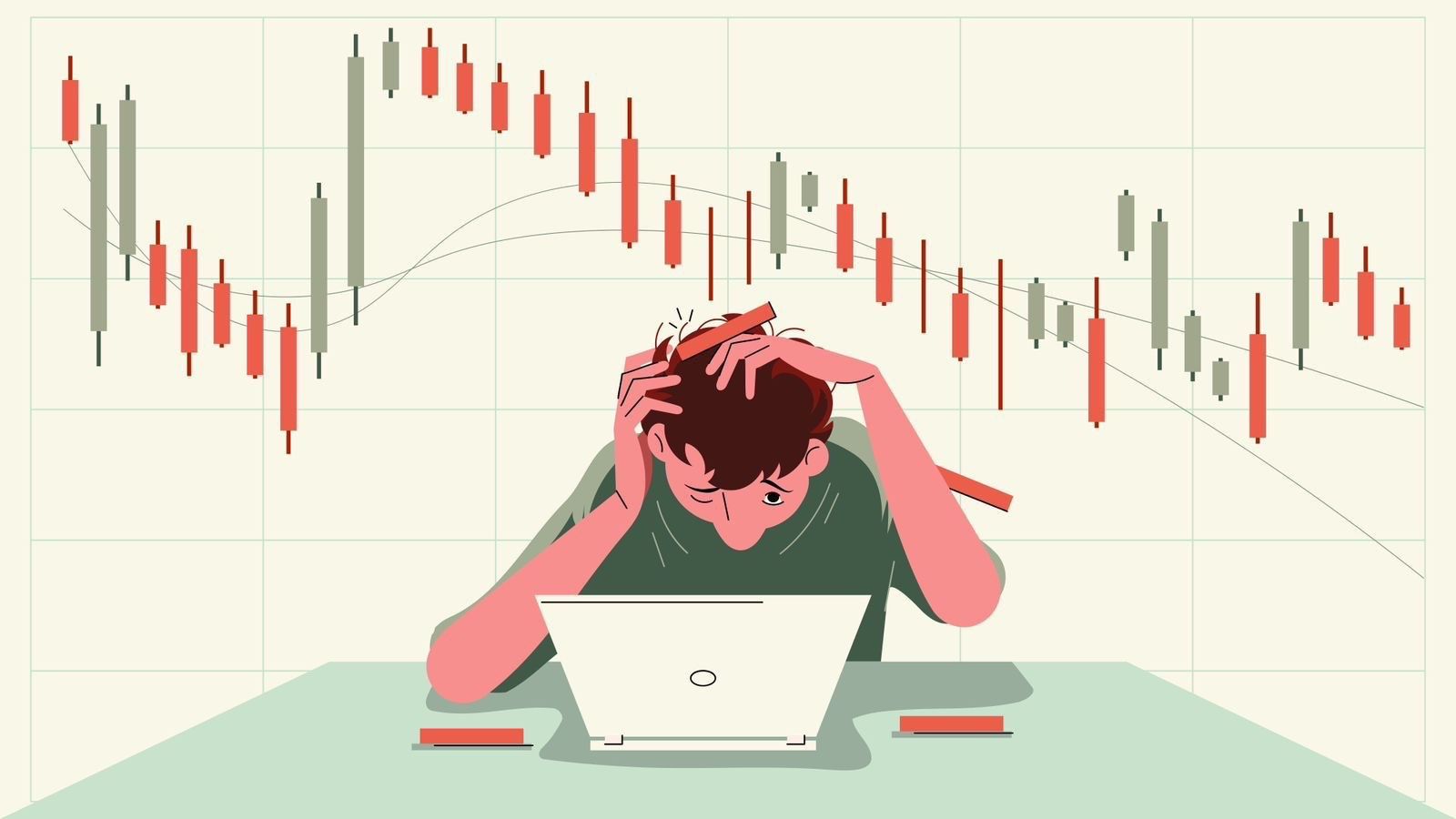
A month on, CAS has only amplified volatility, manipulation and confusion rather than containing them.
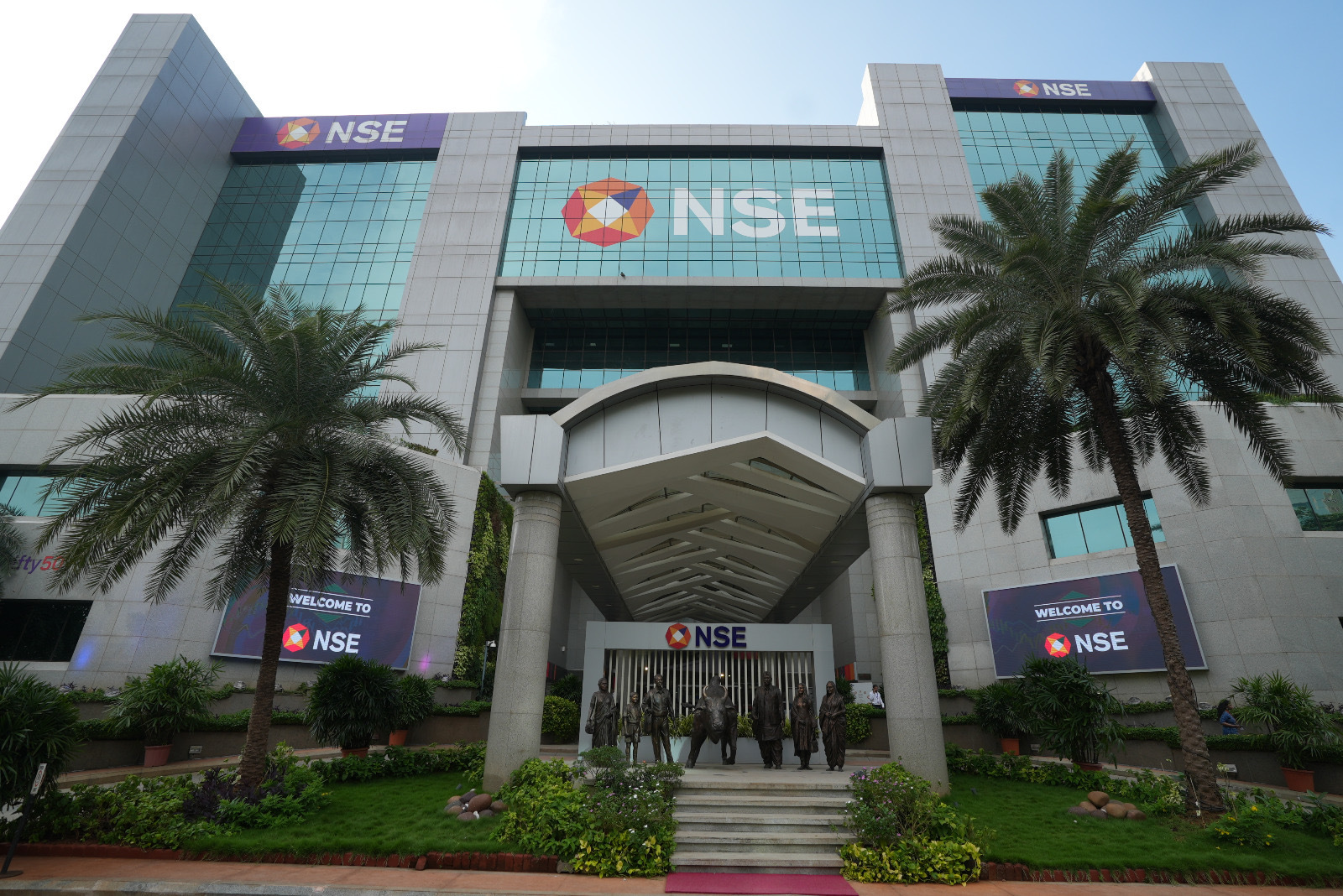
As India’s largest stock exchange heads to the public markets, it may need to rethink its excessive reliance on transaction revenue.