/
•
•
Detailed stories on technology startups, business and economic current affairs.
The actions of Fosun and Alibaba could spark a trend, but it is unlikely to hurt as their reasons for selling shares have little to do with India.




In the last couple of days, there have been reports of at least two large Chinese investors looking to exit or reduce their investments in Indian companies. The Fosun Group was reported to be considering the sale of its controlling stake in Hyderabad-based drugmaker Gland Pharma while two subsidiaries of Alibaba were keen to pare their investments in Zomato through open market sales (a block deal for over 3% of the food delivery company’s shares took place on Wednesday). Even Xiaomi Corp. was reported to be looking to exit its investments in the Indian startup ecosystem.
Normally, these actions wouldn’t …

India’s grocery and food delivery platforms are increasingly displaying misleading images of food using artificial intelligence, defeating the very purpose of buying online.
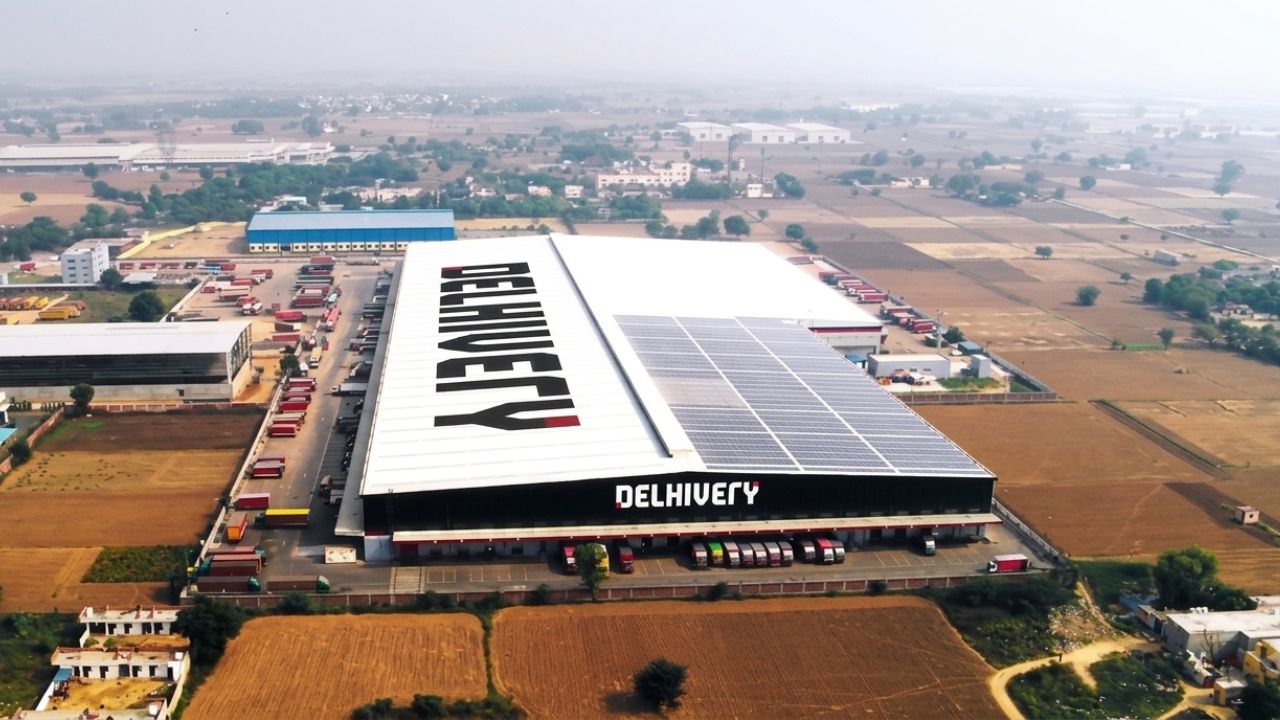
Four years after listing, the logistics company is still searching for sustainable growth as rising costs, weak pricing power and limited new engines weigh on margins.
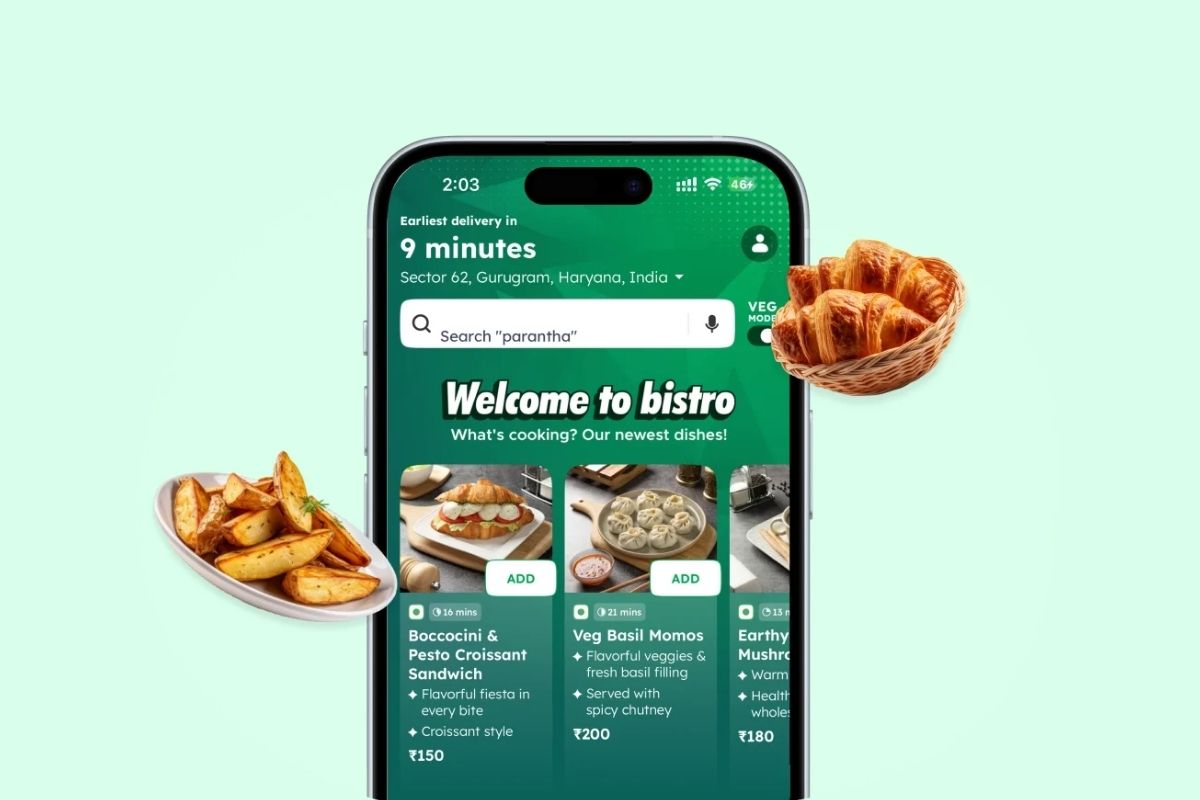
Bistro may look like a response to Swiggy and Rapido’s 'budget' food delivery apps, but the similarities end at affordability—the playbooks are fundamentally different.