/
•
•
The disruption of local stores and India’s lockdown are an opportunity for retail chains and e-commerce. But there are limits.



Editor's note: As mom-and-pop neighbourhood stores scaled down over the past few weeks and white-collar workers began working from homes, organized retail—from e-commerce to brick-and-mortar chains—has seen booming demand. Now that India has entered a nationwide lockdown and inter- and intra-city transportation has ground to a halt, the consumer’s dependence on these two channels is set to increase further. We are in the middle of what has widely been construed the “demonetization moment” for organized retail, especially e-commerce. (The Indian government’s shock decision to invalidate 86% of currency in circulation in November 2016 was a turning point for digital payments companies.) But so far, it’s been a story of both sizeable opportunity and frustrating hurdles. The whims of governments and local authorities across states are throwing everything into a mess, muddling the field. But more than that, the reality of retail is that lasting change in consumption patterns is not simply a matter of a sudden shock; a post-coronavirus India will see the industry changed, both online and offline, but a revolution? Unlikely. Allow me to explain this vast and complex ecosystem …

Brands are struggling amid plunging prices of lab-grown diamonds, poor margins, intense competition, shaky global demand and a domestic market where tradition continues to shape buying decisions.

After 19 investment rounds and over $2.1 billion raised, the kirana supply startup’s investors seem to finally be in the mood to collect their dues. What happens next?
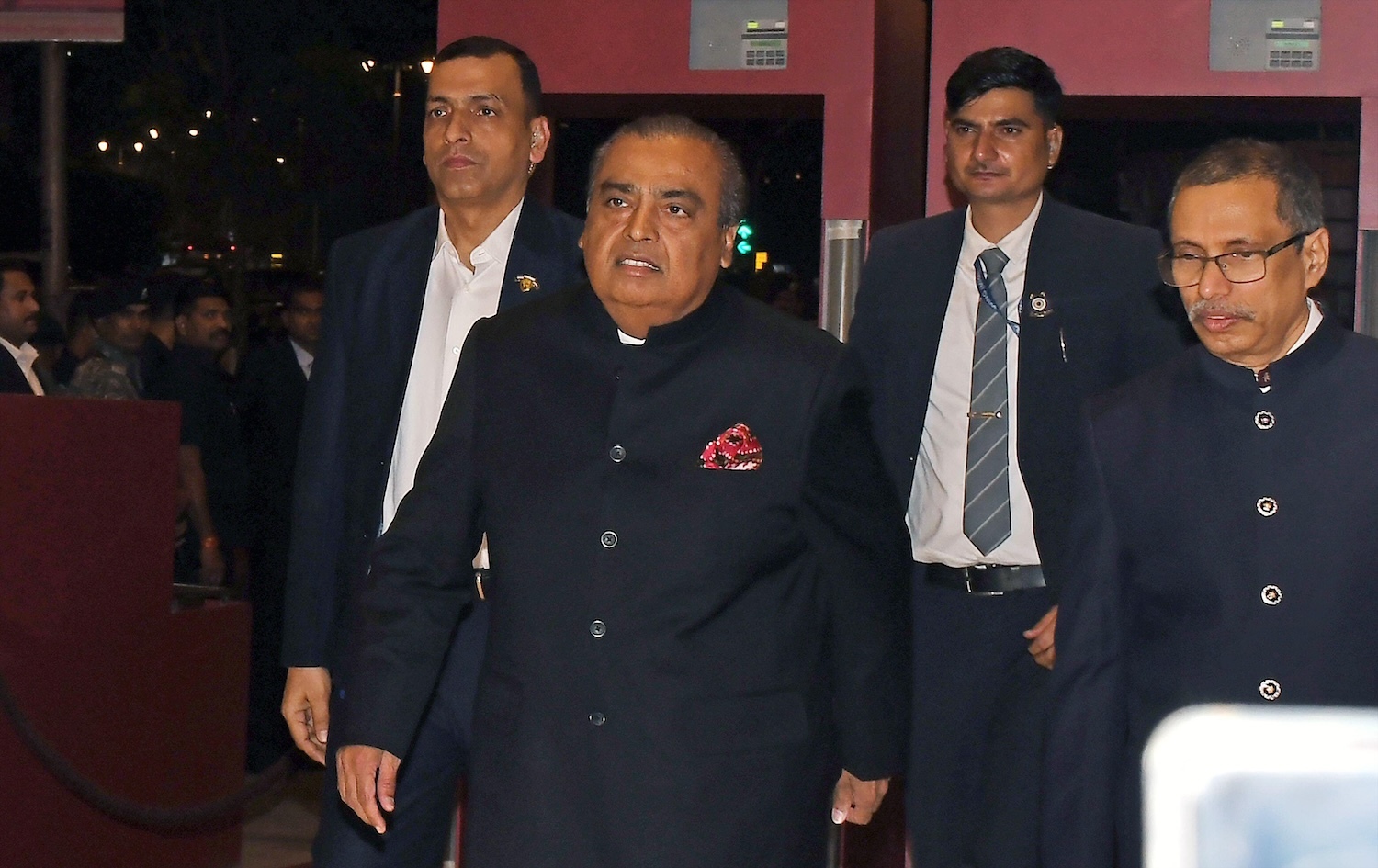
While the Rs 9,000 crore promoter investment in Q1 brings a measure of reassurance, investors will still have to wait for Jio and retail to work through their challenges.
The disruption of local stores and India’s lockdown are an opportunity for retail chains and e-commerce. But there are limits.
Editor's note: As mom-and-pop neighbourhood stores scaled down over the past few weeks and white-collar workers began working from homes, organized retail—from e-commerce to brick-and-mortar chains—has seen booming demand. Now that India has entered a nationwide lockdown and inter- and intra-city transportation has ground to a halt, the consumer’s dependence on these two channels is set to increase further. We are in the middle of what has widely been construed the “demonetization moment” for organized retail, especially e-commerce. (The Indian government’s shock decision to invalidate 86% of currency in circulation in November 2016 was a turning point for digital payments companies.) But so far, it’s been a story of both sizeable opportunity and frustrating hurdles. The whims of governments and local authorities across states are throwing everything into a mess, muddling the field. But more than that, the reality of retail is that lasting change in consumption patterns is not simply a matter of a sudden shock; a post-coronavirus India will see the industry changed, both online and offline, but a revolution? Unlikely. Allow me to explain this vast and complex ecosystem …
Brands are struggling amid plunging prices of lab-grown diamonds, poor margins, intense competition, shaky global demand and a domestic market where tradition continues to shape buying decisions.
After 19 investment rounds and over $2.1 billion raised, the kirana supply startup’s investors seem to finally be in the mood to collect their dues. What happens next?
While the Rs 9,000 crore promoter investment in Q1 brings a measure of reassurance, investors will still have to wait for Jio and retail to work through their challenges.
Detailed stories on technology startups, business and economic current affairs.