/
•
•
Detailed stories on technology startups, business and economic current affairs.
The American entertainment behemoth’s apolitical approach has seen it flourish in China—but that era may be coming to an end




Steve and Dalila Xi, a Shanghainese couple in their thirties, are a pair of self-professed Disney fanatics. They’ve held season passes to Shanghai Disney Resort since its gates first opened in 2016, and at least once a month, they head to the theme park with their children in tow for a day of magic. It is entirely possible that these visits to the massive 3.9 square kilometre theme park are more fun for them than for their toddlers.
“When I go to Disney park, it transports me back to my childhood,” says Steve.
“Watching Disney cartoons were the most wonderful …
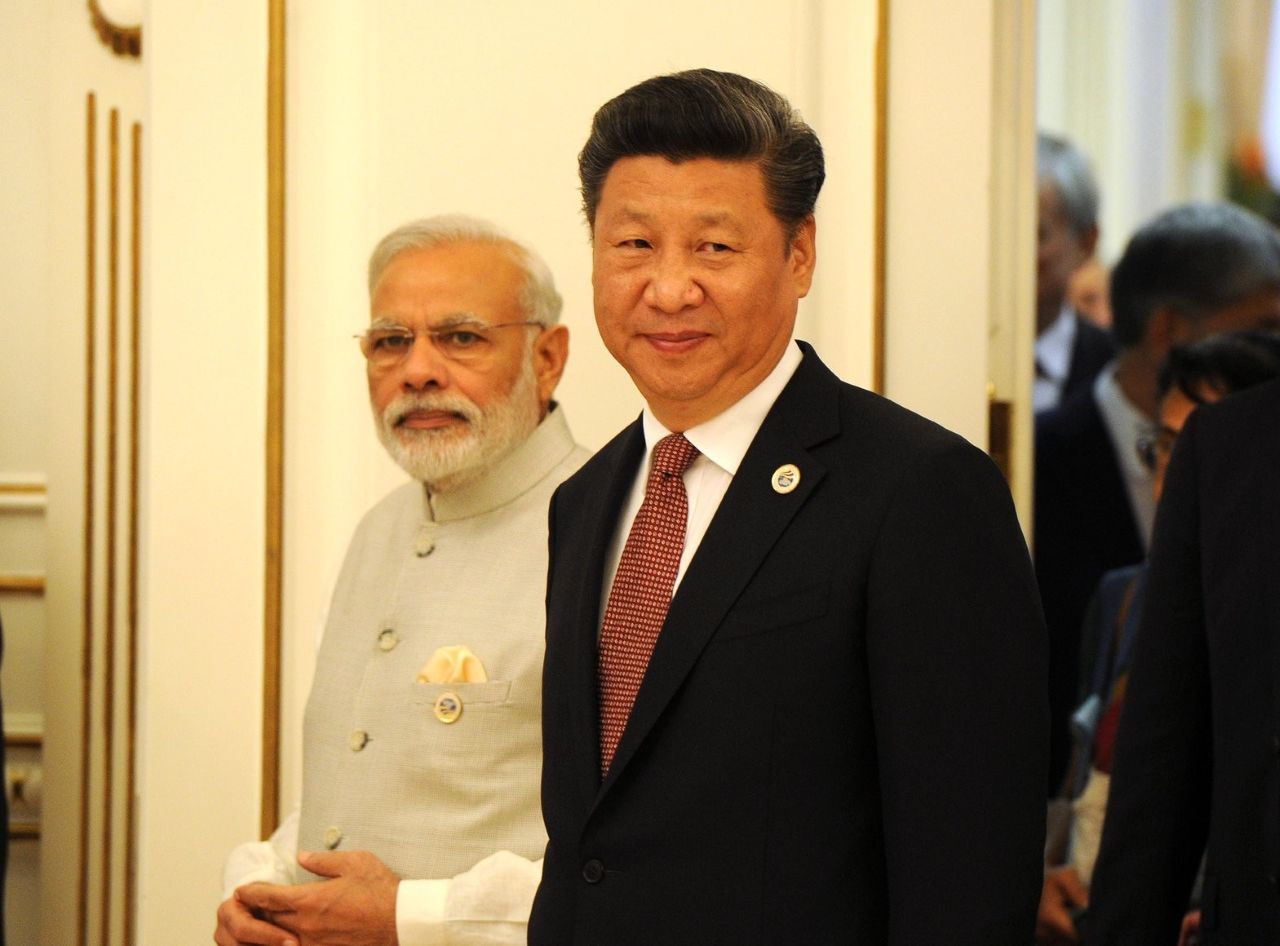
Chinese diplomats to India are saying all the right things for Indian ears, but Beijing’s policy actions are moving in the opposite direction.
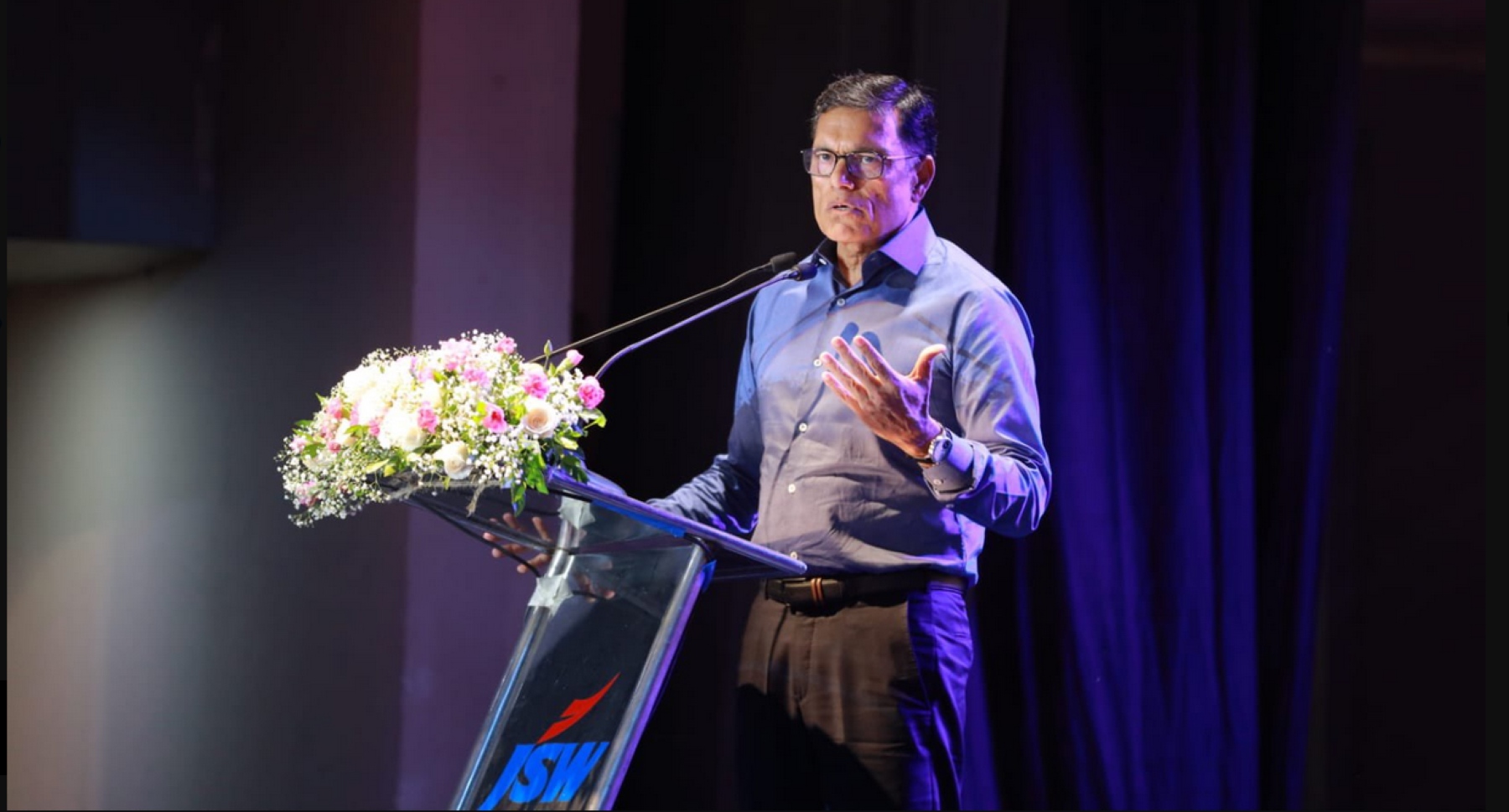
The JSW Steel founder is embarking on an unprecedented expansion, betting on Japan’s JFE and Korea’s POSCO to share the load. But rivalries, debt and market risks could complicate the plan.
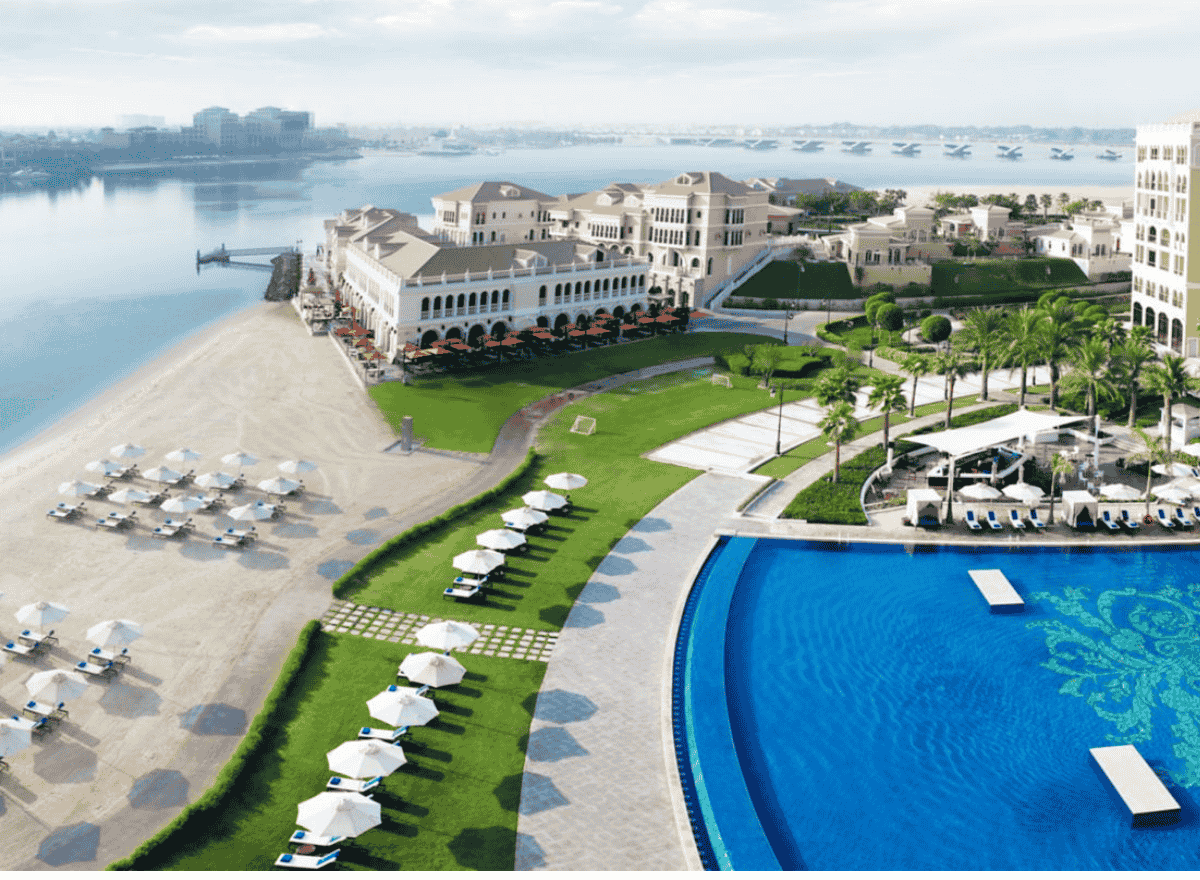
The listed hospitality group sees a drop in revenue and profit in the first quarter. Separately, China steps up engagement with Saudi Arabia and the UAE.