/
•
•
Detailed stories on technology startups, business and economic current affairs.



Editor's note: The Future Group is once again in the headlines, this time in connection with two pieces of bad news—a status quo order on its crucial deal with Mukesh Ambani-led Reliance Industries Ltd and a Securities and Exchange Board of India ban on its promoter Kishore Biyani accessing the capital markets for a year. With Rs 30,000 crore in debt and 72% public shareholding, it is natural that anything that involves the group’s flagship company, Future Retail Ltd, has wide ramifications. What makes it worse for stakeholders is the uncertainty over what was touted as a done deal last August. Here’s what happened. On 2 February, a single-judge bench of the Delhi High Court ordered the Future Group and Amazon.com NV Investment Holdings to maintain status quo till pronouncement of the final order on the agreement between Future Retail and Reliance Retail Ventures (a unit of Reliance Industries) for the sale of the former’s retail, wholesale, logistics and warehousing businesses as going concerns on a slump sale basis for a consideration of Rs 24,713 crore. Effectively this means that the integration …
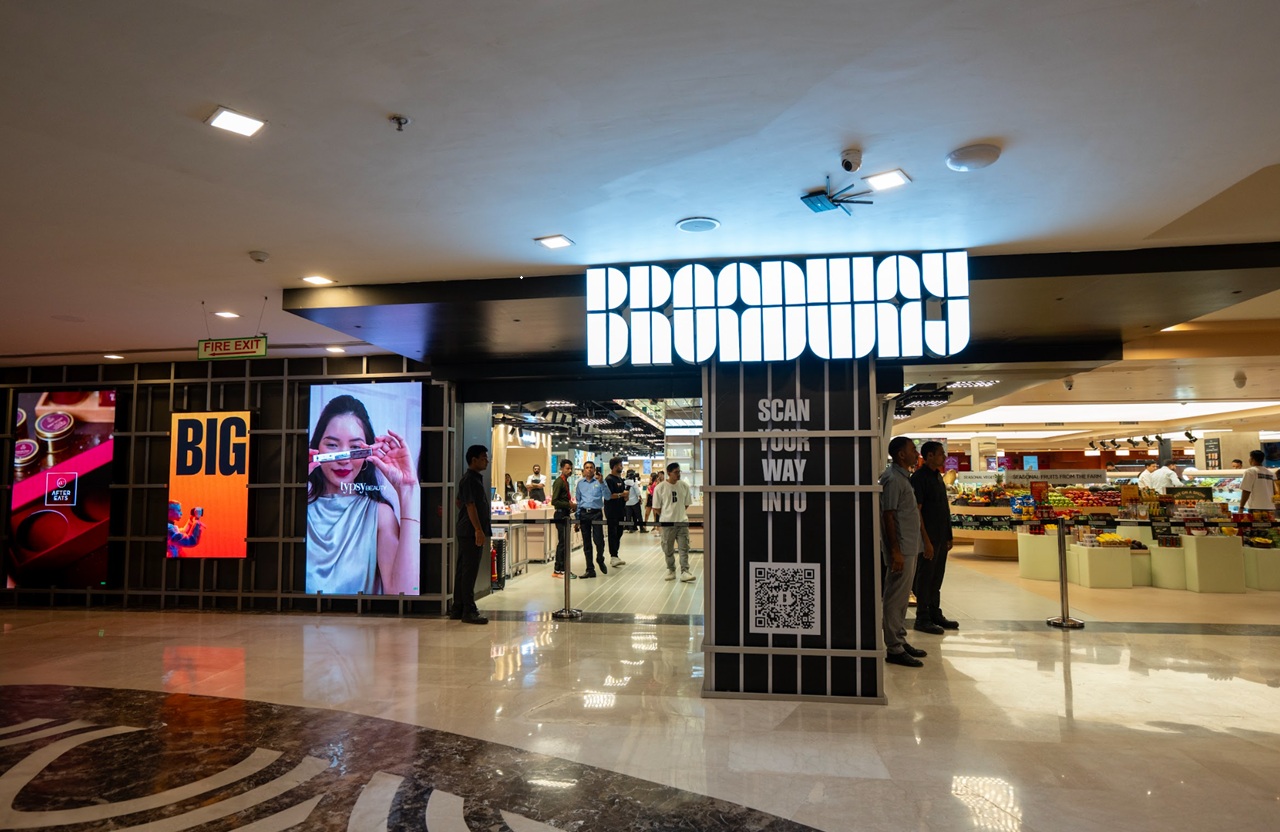
After building and then losing India’s biggest retail empire, Kishore Biyani and family are now scripting a discreet retail comeback with departmental store Broadway. Can they get the economics right this time around?
Telecom and retail both continue with their ‘hit and miss’, while O2C delivers an unsurprisingly poor performance in Q4. This is a year RIL will be glad to see the back of.
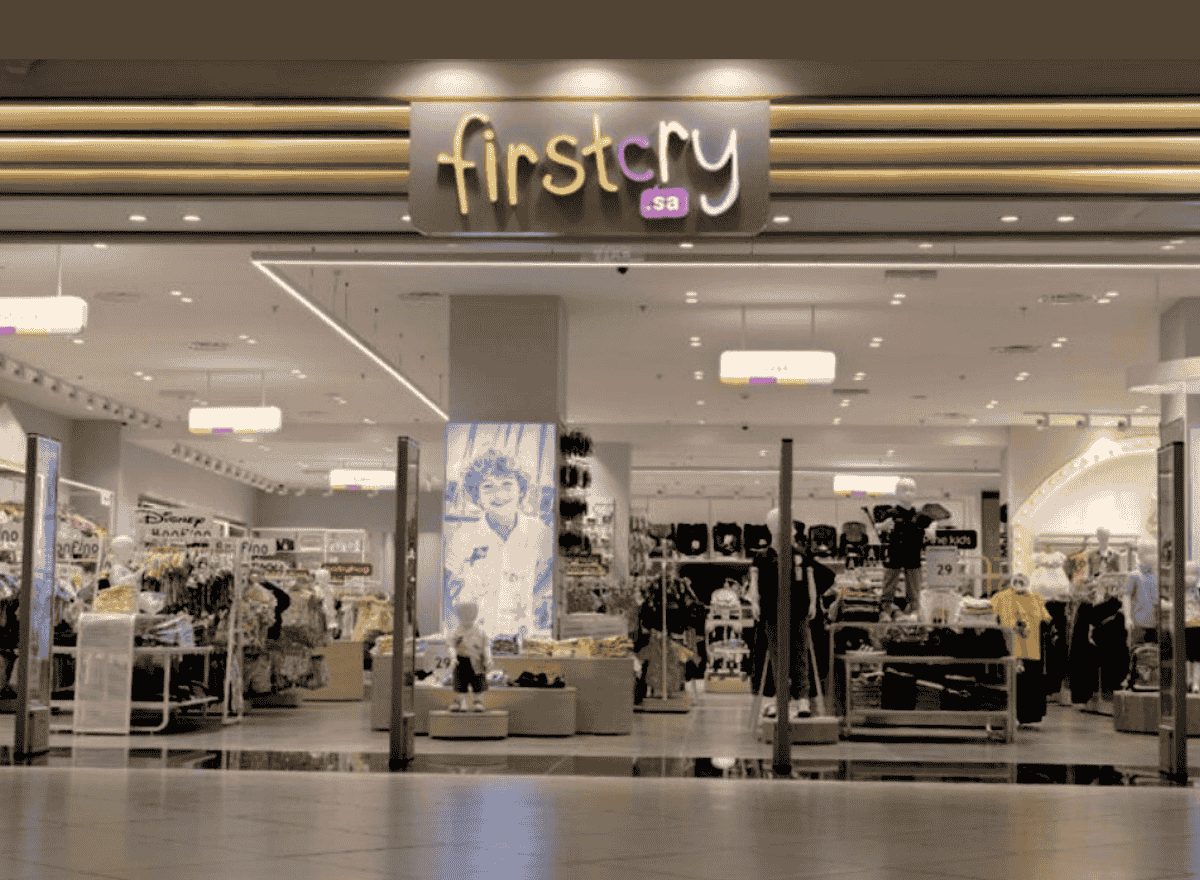
The Indian mother and baby products retailer has been slow to grow in the two largest markets of the Gulf. What gives?