/
•
•
Detailed stories on technology startups, business and economic current affairs.
After years of sops, the government has finally given the international financial services centre its own regulator and taken steps to address some concerns.



Editor's note: It’s become somewhat of a running joke that every year, since 2015, the Narendra Modi government has doled out at least one new sop for what is often seen as the prime minister’s pet project—the Gujarat International Finance Tec-City. Outside of financial circles, though, it’s often not entirely clear what GIFT City really is, the potential it has and the challenges it faces. GIFT City is what is known as an international financial services centre—touted as an attempt by the government to build a rival to financial hubs such as Singapore and Hong Kong. A more formal definition, from the International Monetary Fund, of such centres: Amongst the many definitions of Offshore Financial Centers (OFCs), perhaps the most practical characterizes OFCs as centers where the bulk of financial sector transactions on both sides of the balance sheets are with individuals or companies that are not residents of OFCs, where the transactions are initiated elsewhere, and where the majority of the institutions involved are controlled by non-residents From “Offshore Financial Centers” • IMF (June 2000) Simply put, GIFT City is a …


Thinly traded listed entities have long served as breeding grounds for stock manipulation, hurting investors. The regulator, the NSE and BSE now want to fix things by focusing on efficient delisting.

A month on, CAS has only amplified volatility, manipulation and confusion rather than containing them.
After years of sops, the government has finally given the international financial services centre its own regulator and taken steps to address some concerns.
Editor's note: It’s become somewhat of a running joke that every year, since 2015, the Narendra Modi government has doled out at least one new sop for what is often seen as the prime minister’s pet project—the Gujarat International Finance Tec-City. Outside of financial circles, though, it’s often not entirely clear what GIFT City really is, the potential it has and the challenges it faces. GIFT City is what is known as an international financial services centre—touted as an attempt by the government to build a rival to financial hubs such as Singapore and Hong Kong. A more formal definition, from the International Monetary Fund, of such centres: Amongst the many definitions of Offshore Financial Centers (OFCs), perhaps the most practical characterizes OFCs as centers where the bulk of financial sector transactions on both sides of the balance sheets are with individuals or companies that are not residents of OFCs, where the transactions are initiated elsewhere, and where the majority of the institutions involved are controlled by non-residents From “Offshore Financial Centers” • IMF (June 2000) Simply put, GIFT City is a …
Thinly traded listed entities have long served as breeding grounds for stock manipulation, hurting investors. The regulator, the NSE and BSE now want to fix things by focusing on efficient delisting.
A month on, CAS has only amplified volatility, manipulation and confusion rather than containing them.
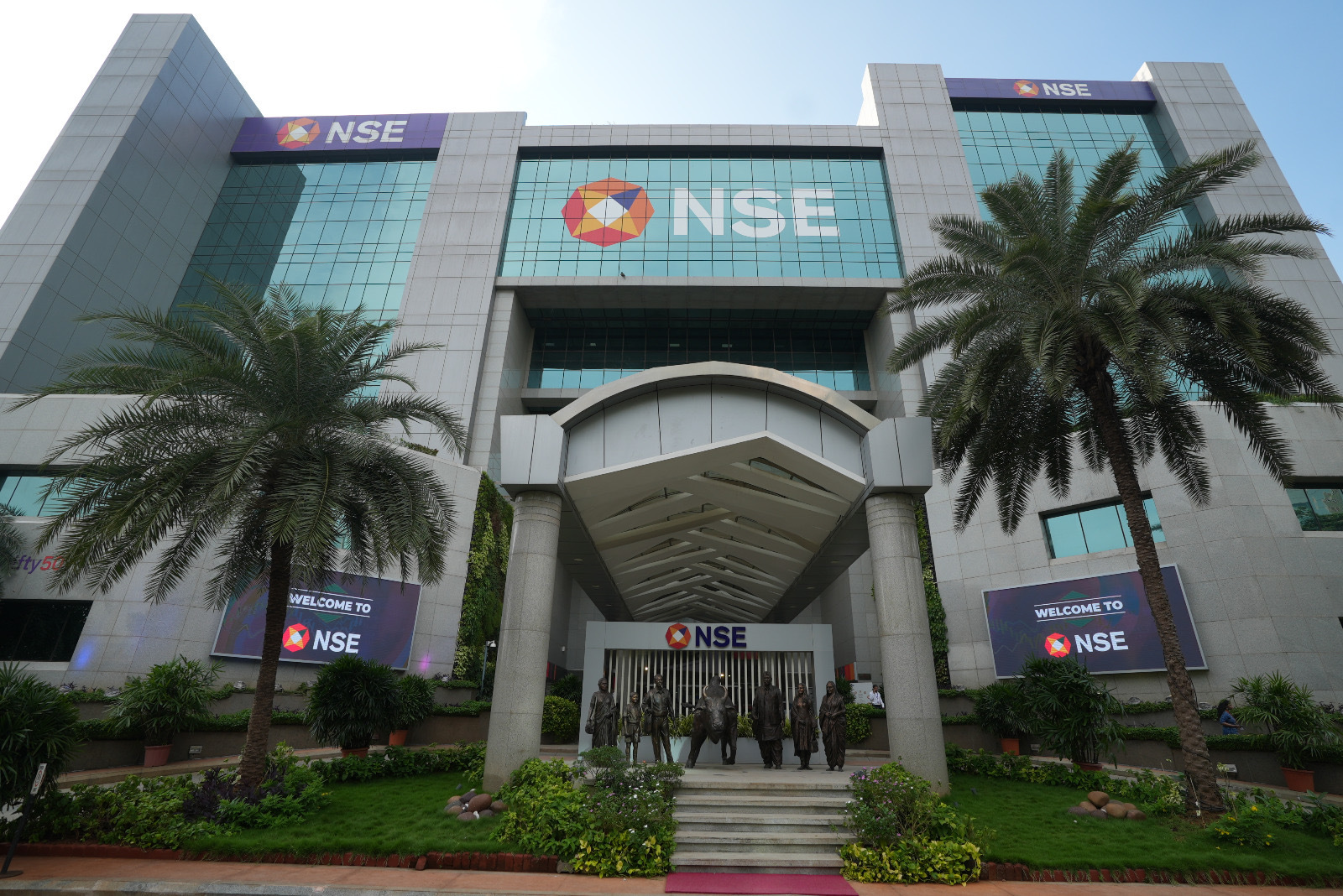
As India’s largest stock exchange heads to the public markets, it may need to rethink its excessive reliance on transaction revenue.
As India’s largest stock exchange heads to the public markets, it may need to rethink its excessive reliance on transaction revenue.