/
•
•
Detailed stories on technology startups, business and economic current affairs.
The Tata Sons chairman is planning to take the group down new paths. Will his gamble pay off?



Editor's note: It seems like a nudge that the Tata Sons chairman just couldn’t overlook. For years, the Tata group has prided itself on its engineering, technical and service skills, offered by an array of companies that includes the globally respected software giant Tata Consultancy Services. But, earlier this year, when Mukesh Ambani’s Reliance Industries hogged the limelight, drawing marquee investors like Facebook and Google to its new and old businesses, it seems to have stolen a march. And that probably hurt. Not to be outdone, the super-competitive N Chandrasekaran began highlighting plans that would ensure that the Tata group came across looking just as savvy. Details of what is in the works have been coming out in dribs and drabs over the last few months. A new application is top of the list. It will help harness millions of Tata customers on a common platform, and also serve as a conduit for new e-commerce businesses that will be strapped on to it. Basically, a super app of sorts. This begins to make sense when you consider that the Tata group is …
The Tata Sons chairman is planning to take the group down new paths. Will his gamble pay off?
Editor's note: It seems like a nudge that the Tata Sons chairman just couldn’t overlook. For years, the Tata group has prided itself on its engineering, technical and service skills, offered by an array of companies that includes the globally respected software giant Tata Consultancy Services. But, earlier this year, when Mukesh Ambani’s Reliance Industries hogged the limelight, drawing marquee investors like Facebook and Google to its new and old businesses, it seems to have stolen a march. And that probably hurt. Not to be outdone, the super-competitive N Chandrasekaran began highlighting plans that would ensure that the Tata group came across looking just as savvy. Details of what is in the works have been coming out in dribs and drabs over the last few months. A new application is top of the list. It will help harness millions of Tata customers on a common platform, and also serve as a conduit for new e-commerce businesses that will be strapped on to it. Basically, a super app of sorts. This begins to make sense when you consider that the Tata group is …
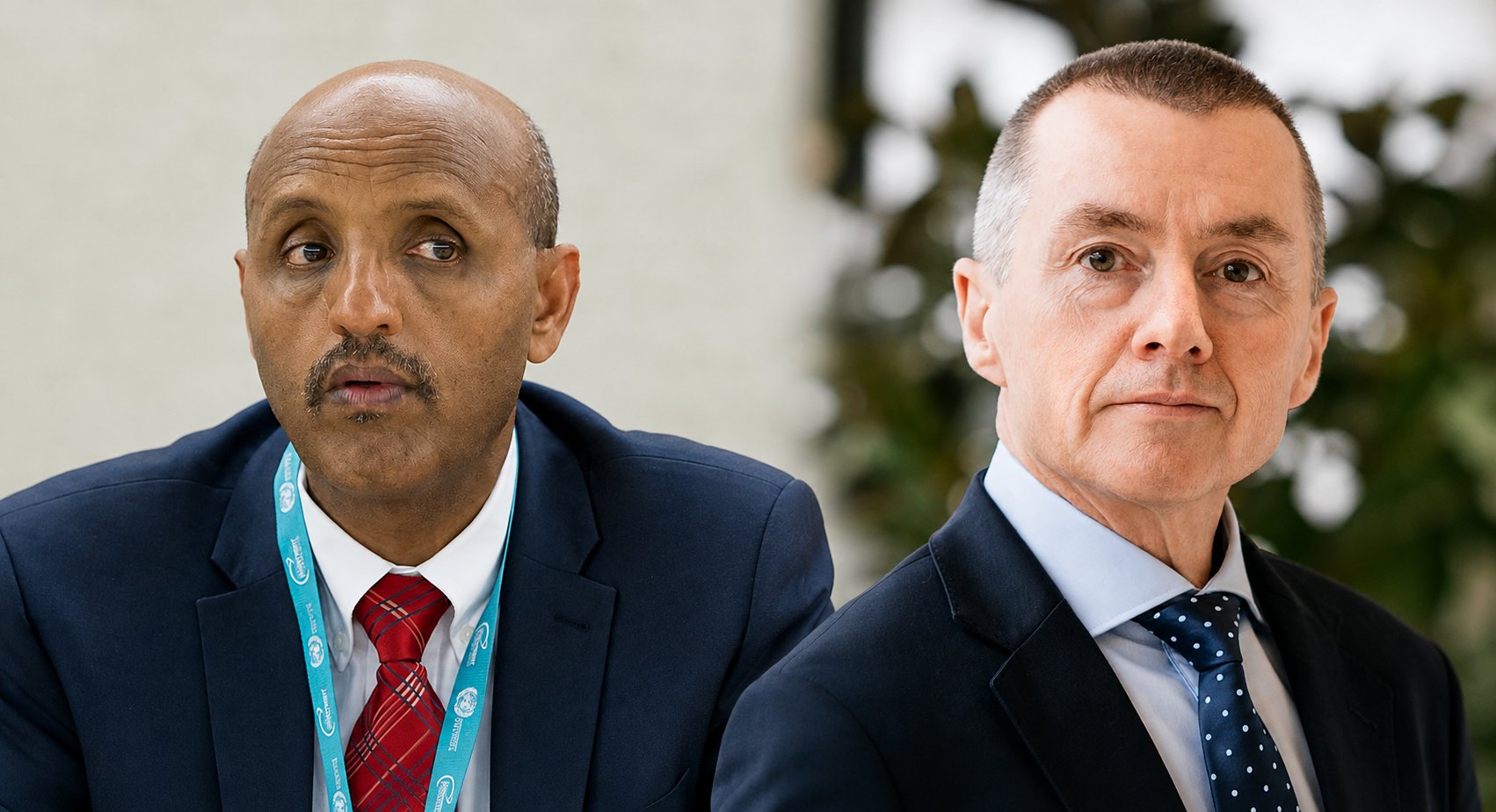
The two new chief executives at Air India and IndiGo come with contrasting reputations but face the same challenge—do their predecessors one better.
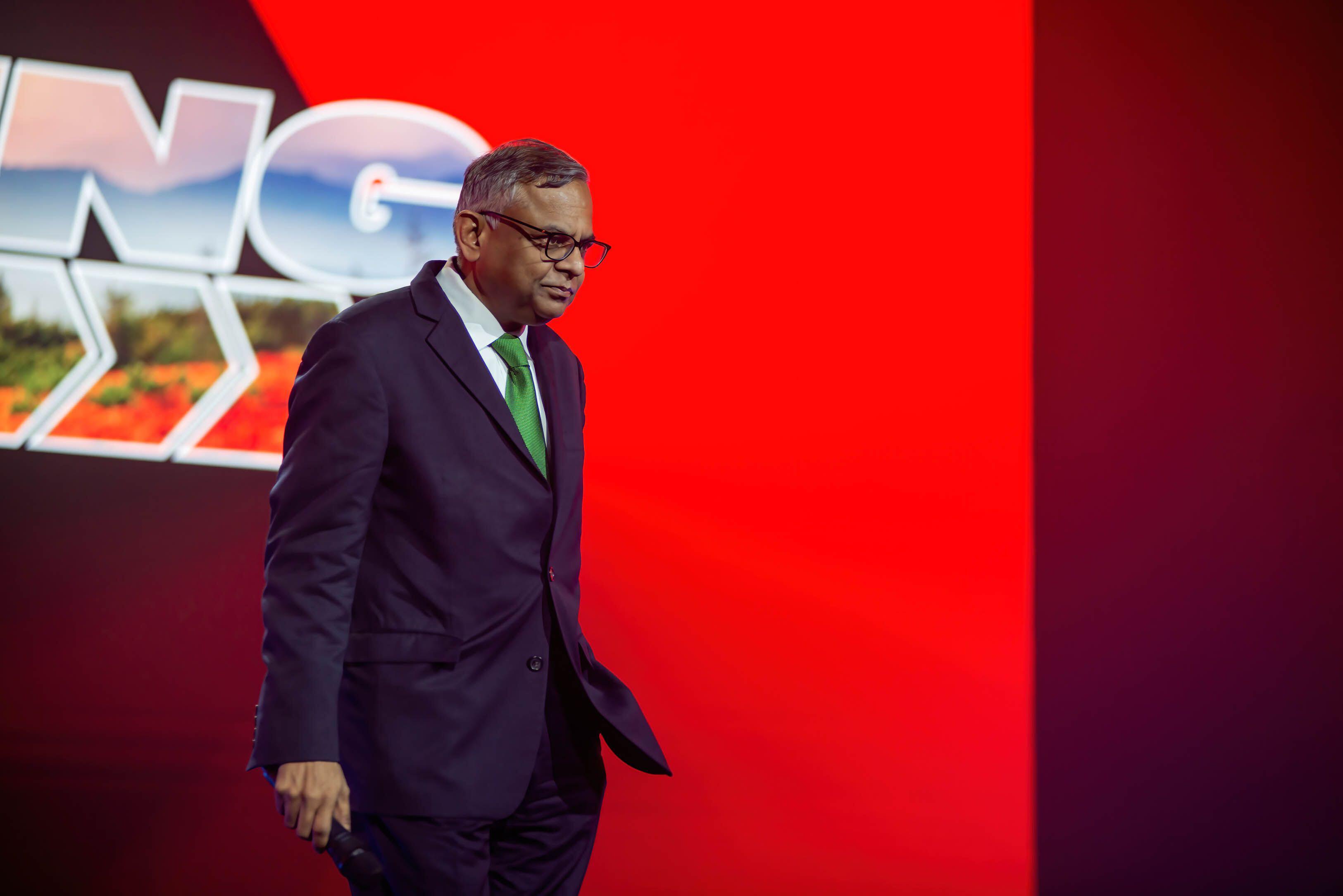
In a surprise move on Wednesday, the Tata Sons chairman announced he will exit Bombay House at the end of his tenure in February 2027. He leaves at what is one of the most crucial times for the group.
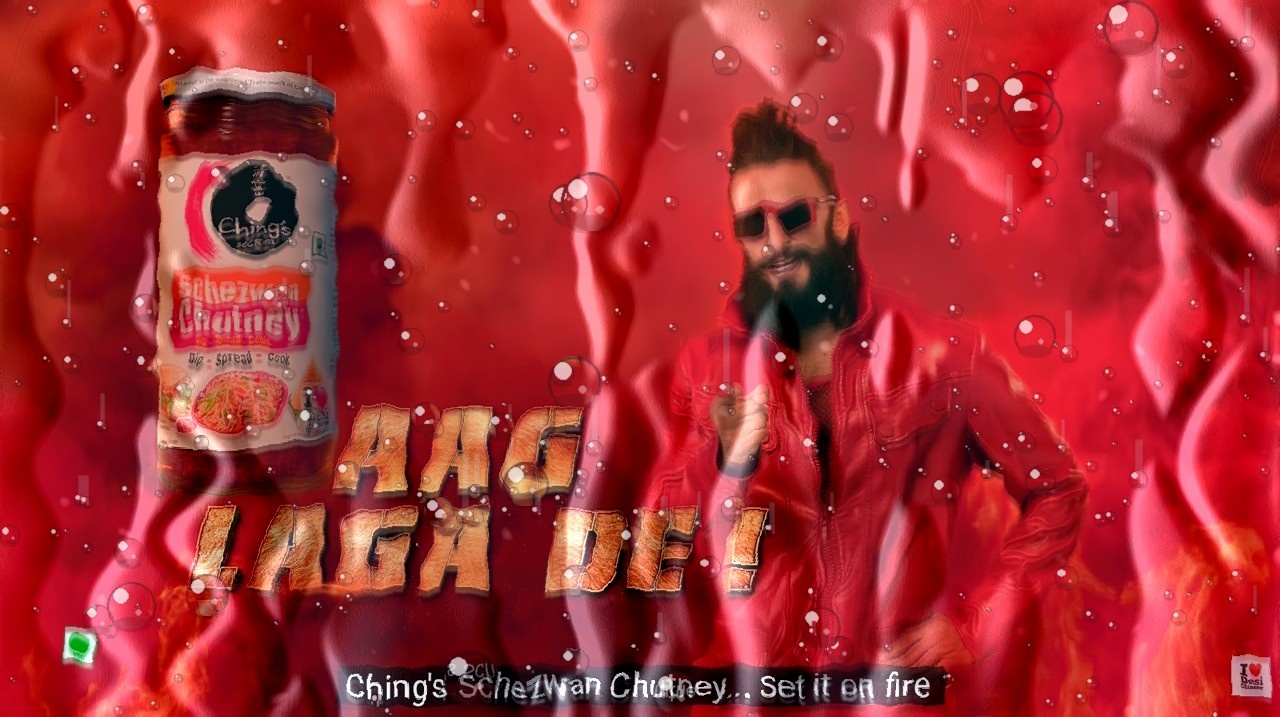
The FMCG major acquired the maker of Ching’s Secret to make the most of its high margins, but things didn’t go to plan. Two years and a few lessons later, TCPL is trying to change that.
The two new chief executives at Air India and IndiGo come with contrasting reputations but face the same challenge—do their predecessors one better.
In a surprise move on Wednesday, the Tata Sons chairman announced he will exit Bombay House at the end of his tenure in February 2027. He leaves at what is one of the most crucial times for the group.
The FMCG major acquired the maker of Ching’s Secret to make the most of its high margins, but things didn’t go to plan. Two years and a few lessons later, TCPL is trying to change that.