/
•
•
Detailed stories on technology startups, business and economic current affairs.
The seven-year-old company has plans to manufacture premium bicycles in India at affordable prices. Can it take on bigger, established players?




The year was 2015. Brothers Sachin Chopra and Vishal Chopra had returned to India after spending a decade in the US, where they worked in private equity, finance, semiconductors and tech. Besides the changes in culture and weather, they noticed a lifestyle shift as well—a lot more Indians were riding bicycles.
But other than the established companies like Hero, Avon and TI pushing their bikes, there wasn’t anything special happening in the space.
“The bicycle space was still boring, the same old players and designs. We wanted to change that,” says Vishal.
The brothers saw an opportunity. They believed the …
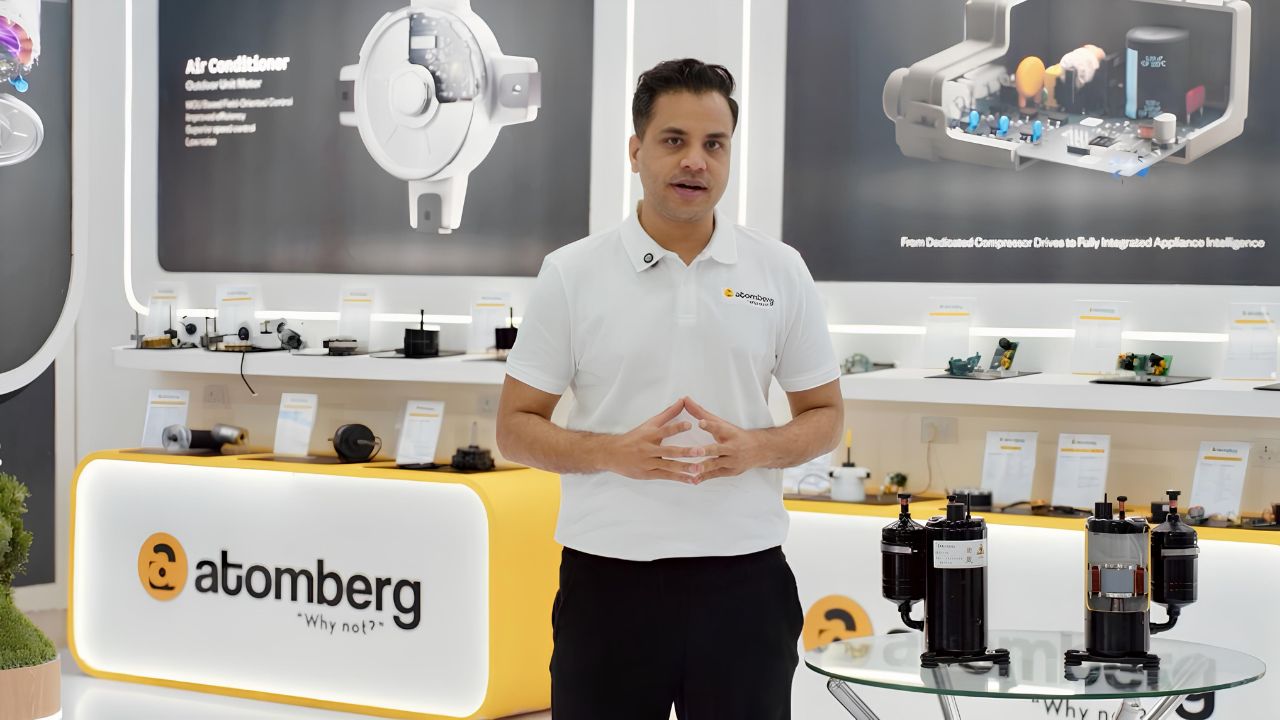
As the smart fan maker gears up for an IPO, prospective investors could do with some clarity on what the company’s next phase of growth will look like.
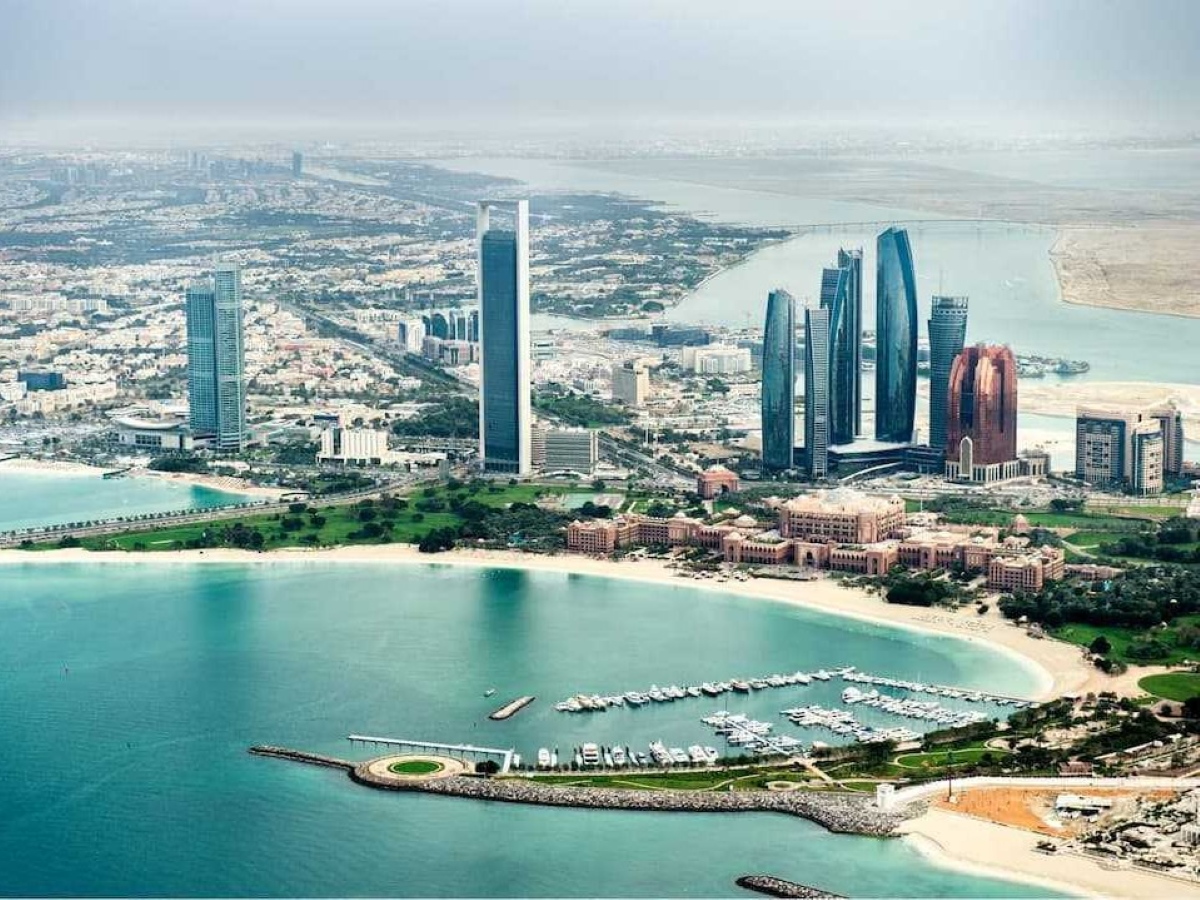
The food and FMCG giant is set to be put into provisional liquidation. Abu Dhabi’s IHC and Emaar founder Mohamed Alabbar are now eyeing it.
A whole host of new deals at the Make it in the Emirates summit, Saudi Arabia’s widest deficit since 2018 and other updates from the week.