/
•
•
Detailed stories on technology startups, business and economic current affairs.
Even as the low-cost carrier faces customer ire, its delicate financial condition and questionable practices raise doubts about the conglomerate’s future in aviation.



Sharath Devaiah’s family vacation to the Maldives started off well, except for a two-hour delay of their Go First flight to Male. This was the first international trip of the Bengaluru-based family, which included Devaiah’s three-year-old son and his in-laws.
But things went downhill the day before they were to fly back home. Their Go First flight, which was slated to take off at 3:15 pm on 17 November, was rescheduled to 3:20 pm the following day due to “operational reasons”.
“I had to look for a hotel for the extra night’s stay. The airline folks never came back,” says …

A drop in employee costs, despite the need to hire pilots under the new DGCA norms, raises fresh concerns about IndiGo’s staffing, and its vulnerability to a December 2025-scale disruption.
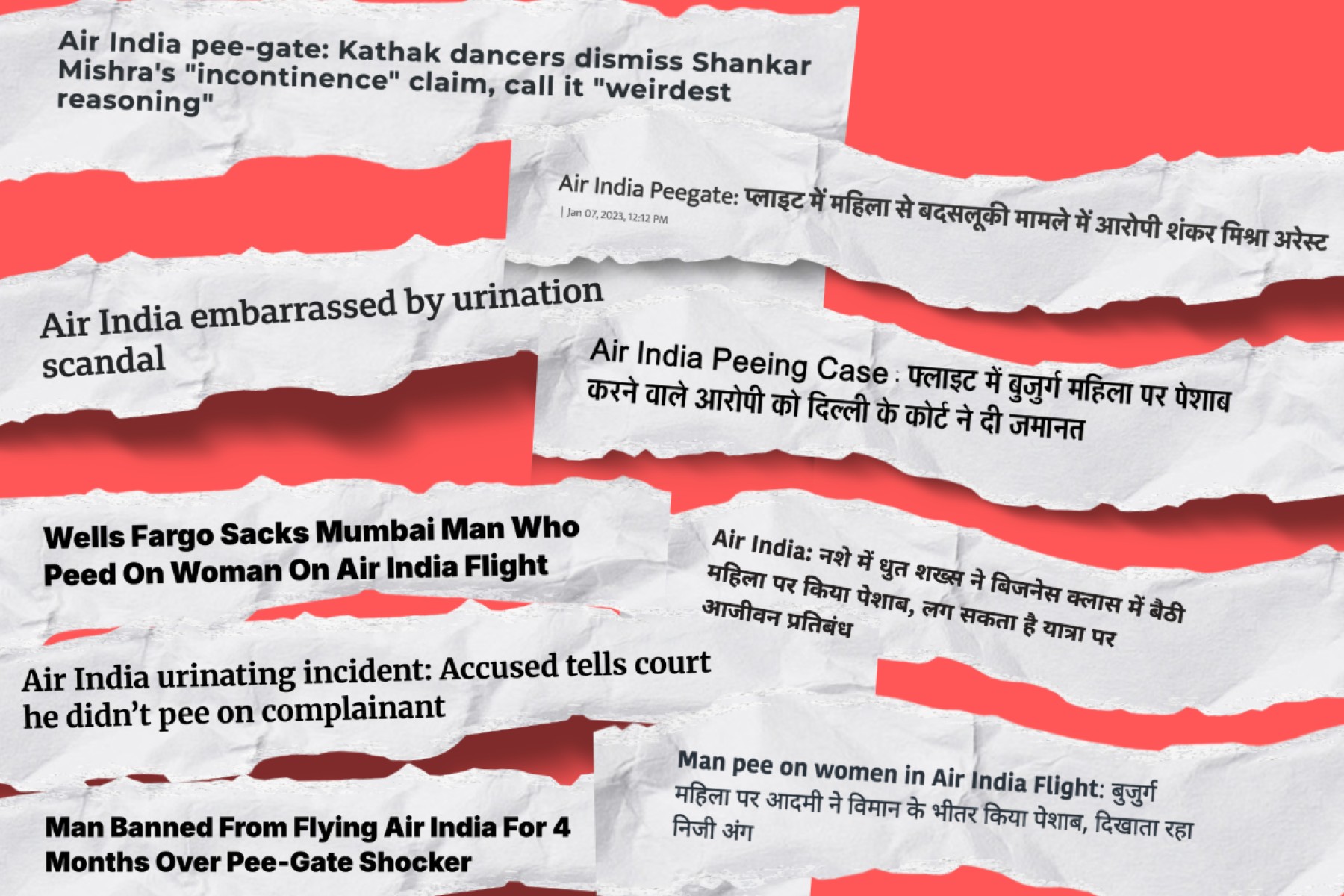
Nearly four years after the unsavoury incident that created a national furore, the alleged offender’s life has come undone. He has been defeated by a system that does not deem him worthy of transparency or a chance at finding closure.

Dubai International Airport and Fujairah port were once again disrupted on Monday. Separately, there is a new warning that this conflict could result in the region’s worst crises in decades.