/
•
•
Detailed stories on technology startups, business and economic current affairs.
Partner Rakesh Gangwal’s exit has given the co-founder and now managing director a chance to leave his imprint on India’s largest airline. Much will depend on how Bhatia handles IndiGo’s HR crisis.



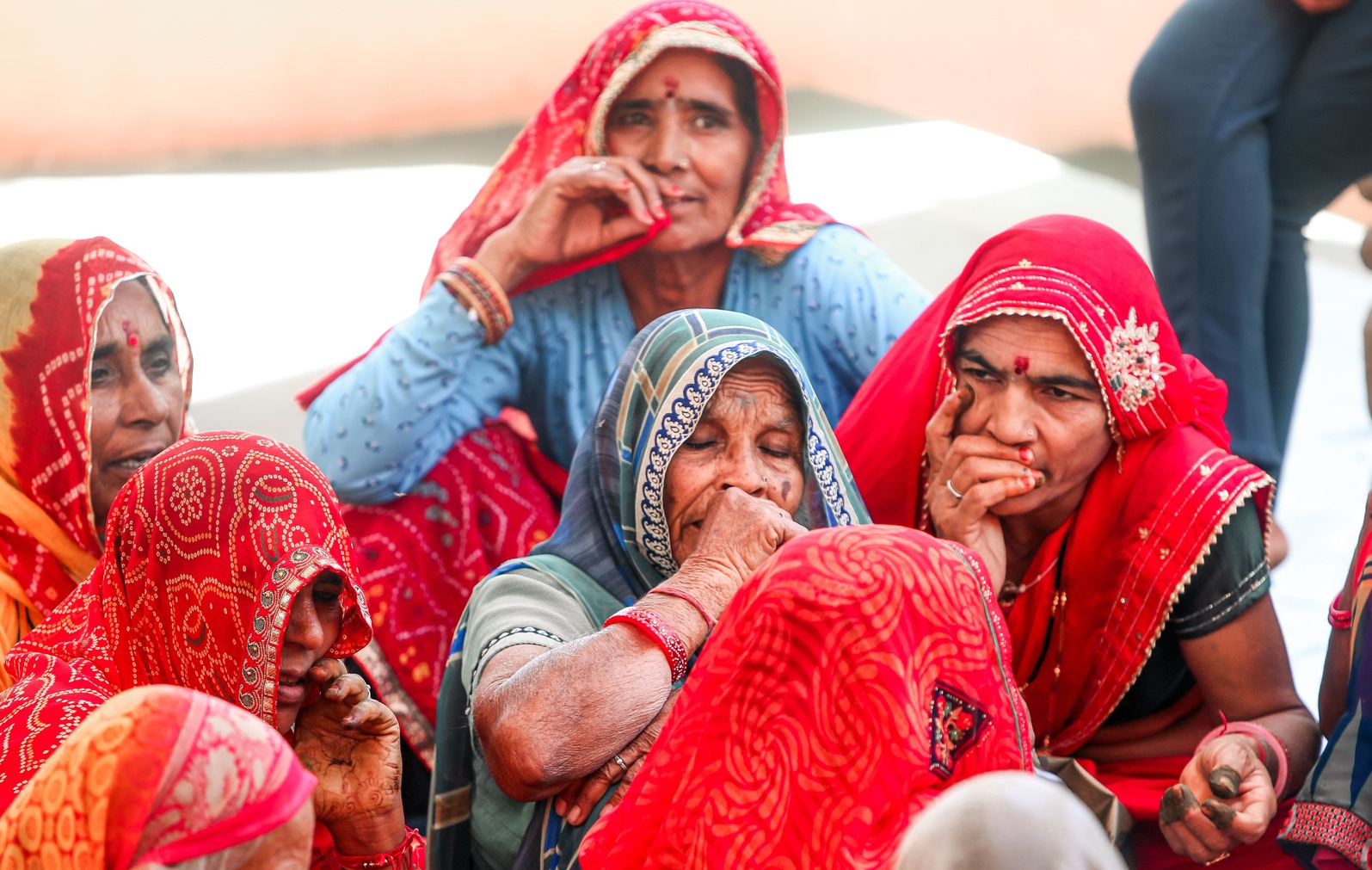
Promoters don’t like unions. Over the years, innumerable companies have been brought to their knees by powerful trade unions and their leaders. Rahul Bhatia, IndiGo’s co-founder, knows that.
In the aviation industry itself, every time pilot unions at, say, Air India or Jet Airways before it was grounded, threatened to go on strike, the management has had to expend considerable time and resources to bring them around. Strikes, when they did happen, ended up costing the airlines in terms of cancelled flights, lost revenue and, by extension, a hit on their brand equity.
Bhatia wasn’t going to let anything of …
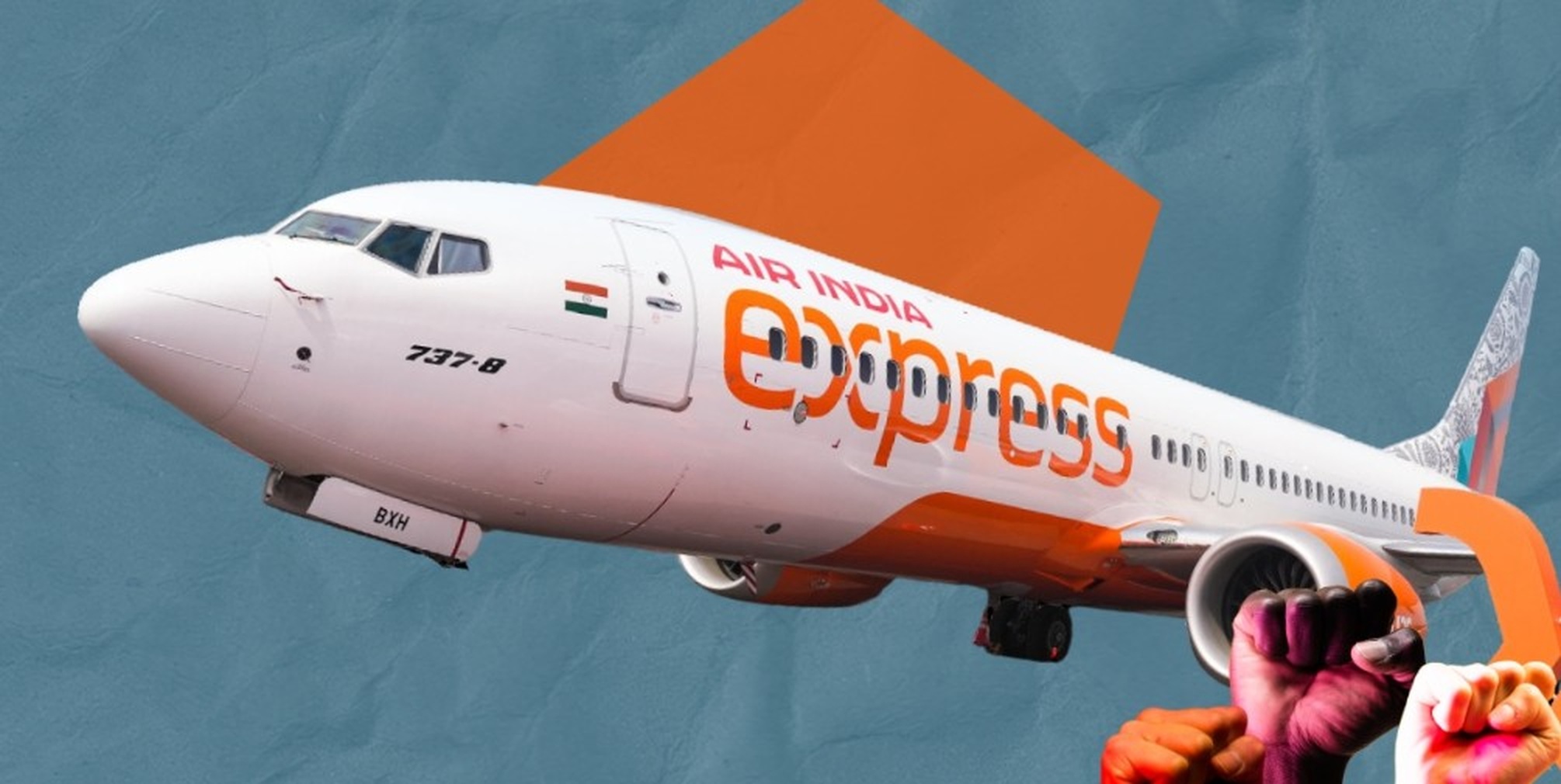
As the low-cost carrier pushes through a compensation overhaul, the absence of a CEO is complicating a delicate moment.
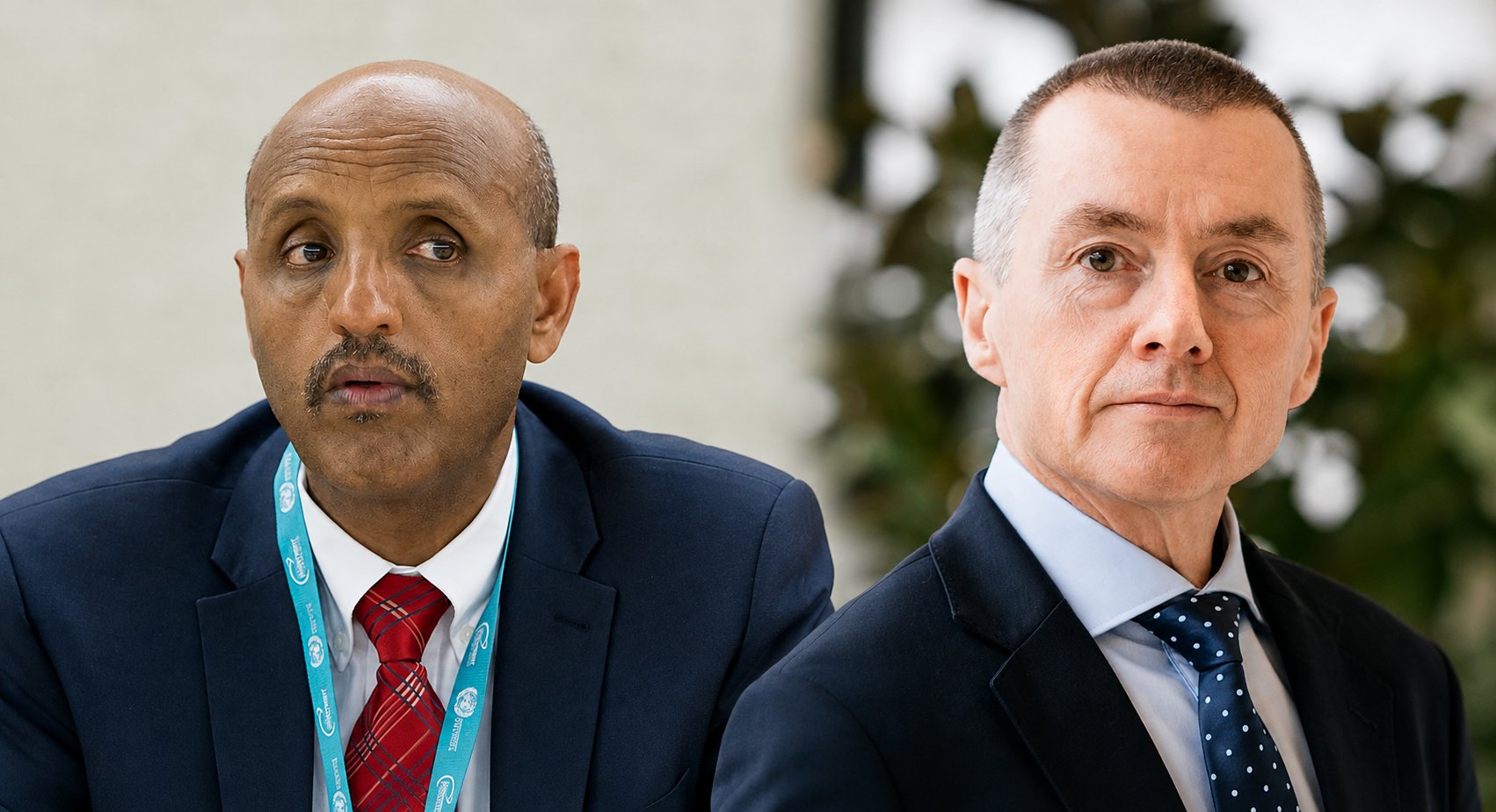
The two new chief executives at Air India and IndiGo come with contrasting reputations but face the same challenge—do their predecessors one better.
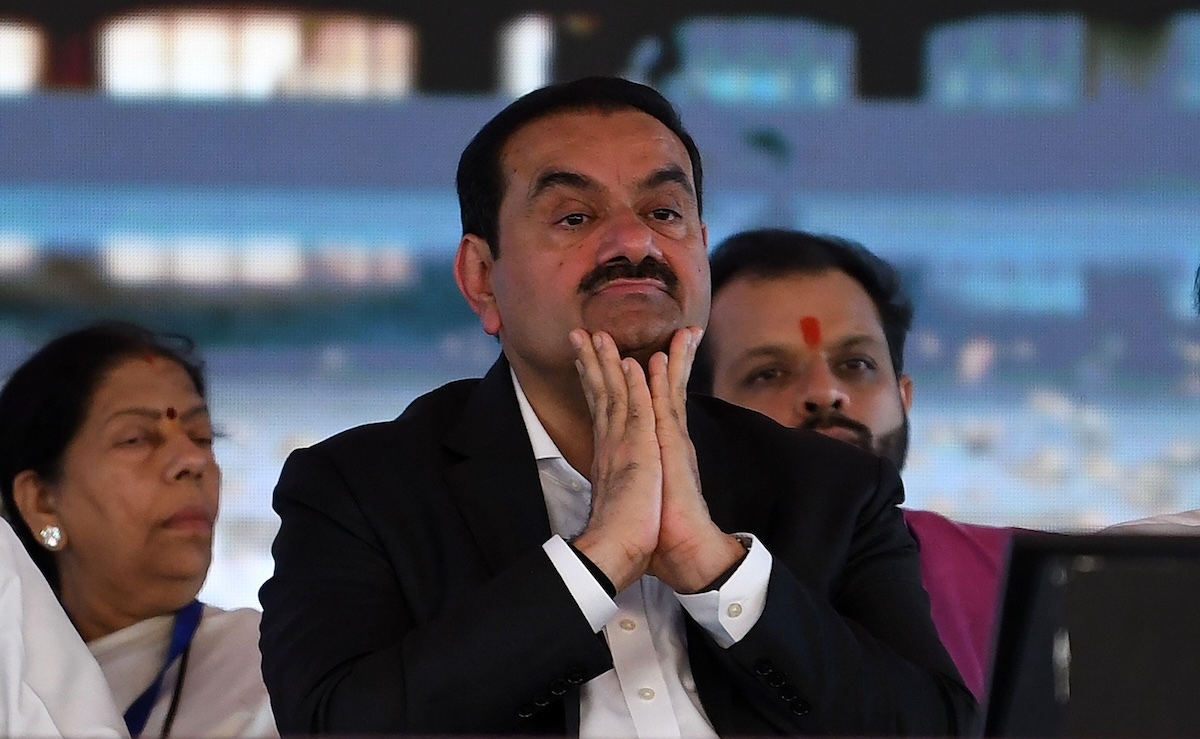
A regulatory easing could see the billionaire’s conglomerate move from running airports to owning an airline—an idea he is warming up to, with multiple options open.