/
•
•
Detailed stories on technology startups, business and economic current affairs.
After successive controversies and growing unease over promoter influence, the central bank is reshaping the lender—starting with management, moving to its board and tightening the screws on ownership.


Something unusual unfolded in India’s private banking sector earlier this month.
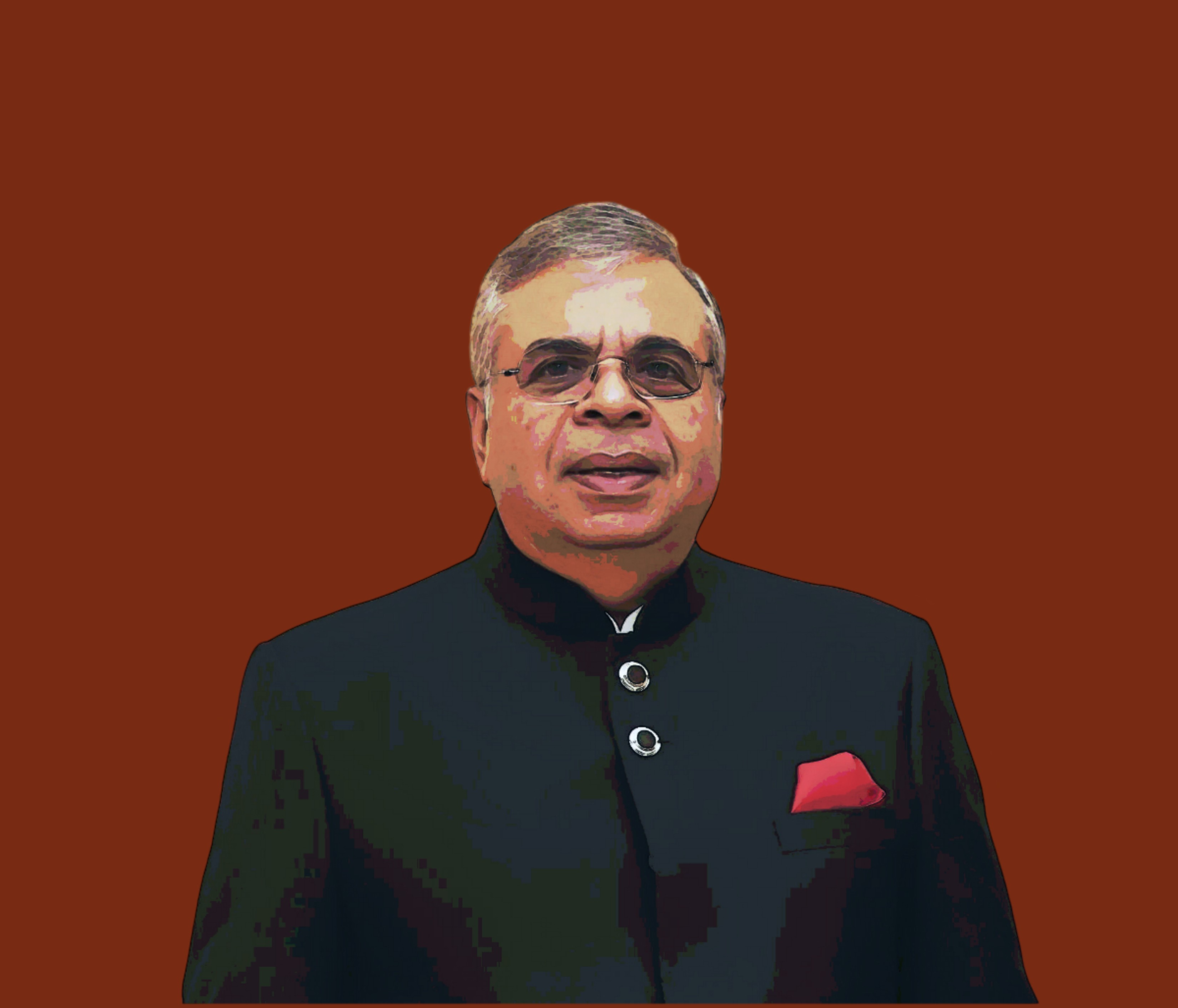
On 4 December, Ashok Hinduja, chairman of IndusInd International Holdings Ltd, told The Economic Times that the Hinduja family was exploring the induction of a strategic partner at IndusInd Bank. The family is the bank’s promoter, holding a 12% stake through IIHL, and 4% through IndusInd Ltd.
The response from IndusInd Bank was swift—and strikingly blunt. In a stock exchange filing, the bank said: “In this regard, we wish to inform that no discussion for onboarding strategic partners is underway with anyone in the Bank. The Bank remains well-capitalised, …

The central bank’s shift to a 100% collateral requirement threatens to erode leverage, reduce volumes and force a consolidation across prop desks.
Divergent narratives from the Haryana government and the lender raise deeper questions on oversight, authorizations and systemic lapses—answers that may emerge only after a forensic audit.
The Bengaluru-based lender is once again gearing up to seek the RBI’s nod after the central bank returned its application last year.