/
•
•
Detailed stories on technology startups, business and economic current affairs.
The chairman of JSW Steel has stuck his neck out by setting a stiff target to reduce carbon emissions by 2030. On the line are his reputation and the future of his business.



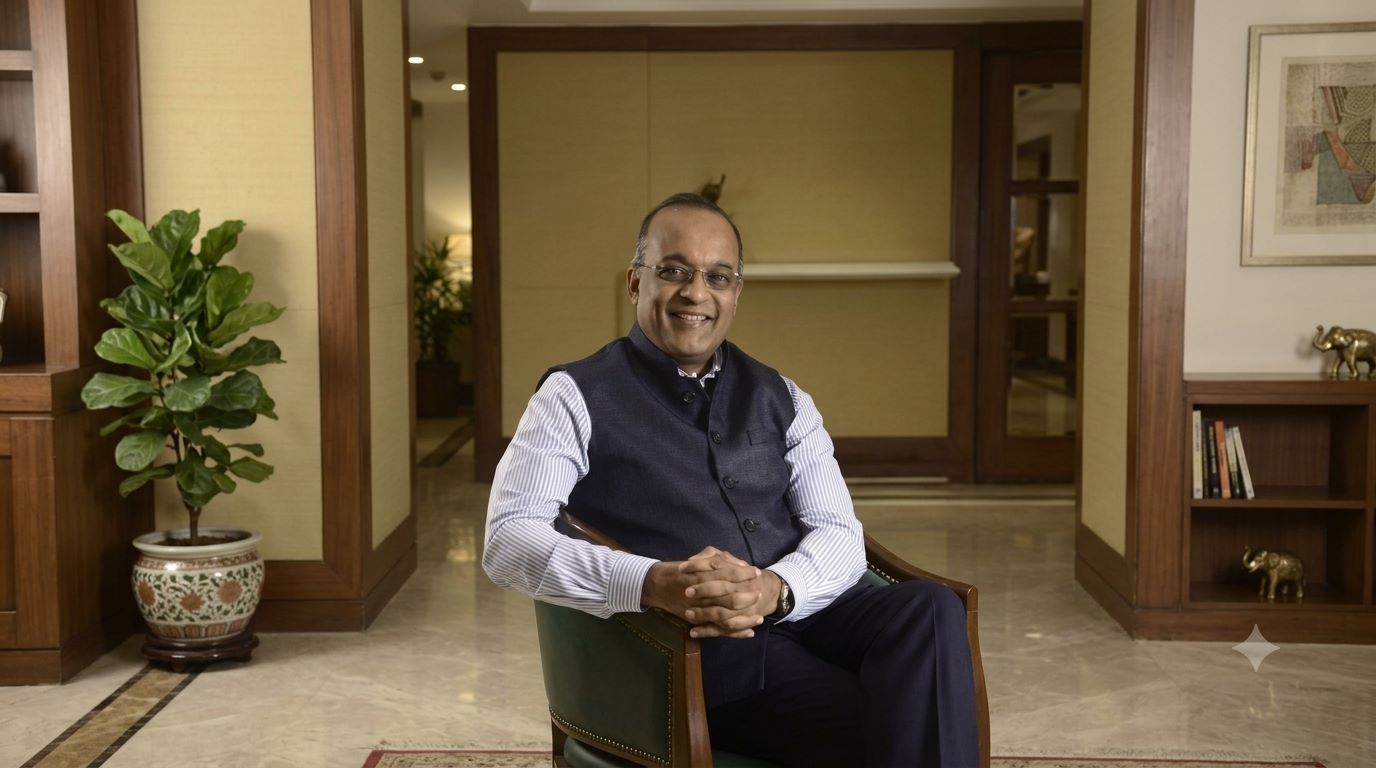
At 62, Sajjan Jindal should have been sitting pretty.
Over the last 25 years, he built India’s biggest steel empire, which churns out 27 million tonnes of steel a year. From nowhere, his JSW Steel eclipsed Tata Steel, which had held the top slot unchallenged through the 20th century. Last year, Jindal was crowned chairman of the World Steel Association, which represents 85% of the world’s steel industry. He’s only the second Indian to get the honour after L.N. Mittal, chairman of ArcelorMittal.
Jindal’s influence outside the industry has grown. He is now among the richest men in India, is …
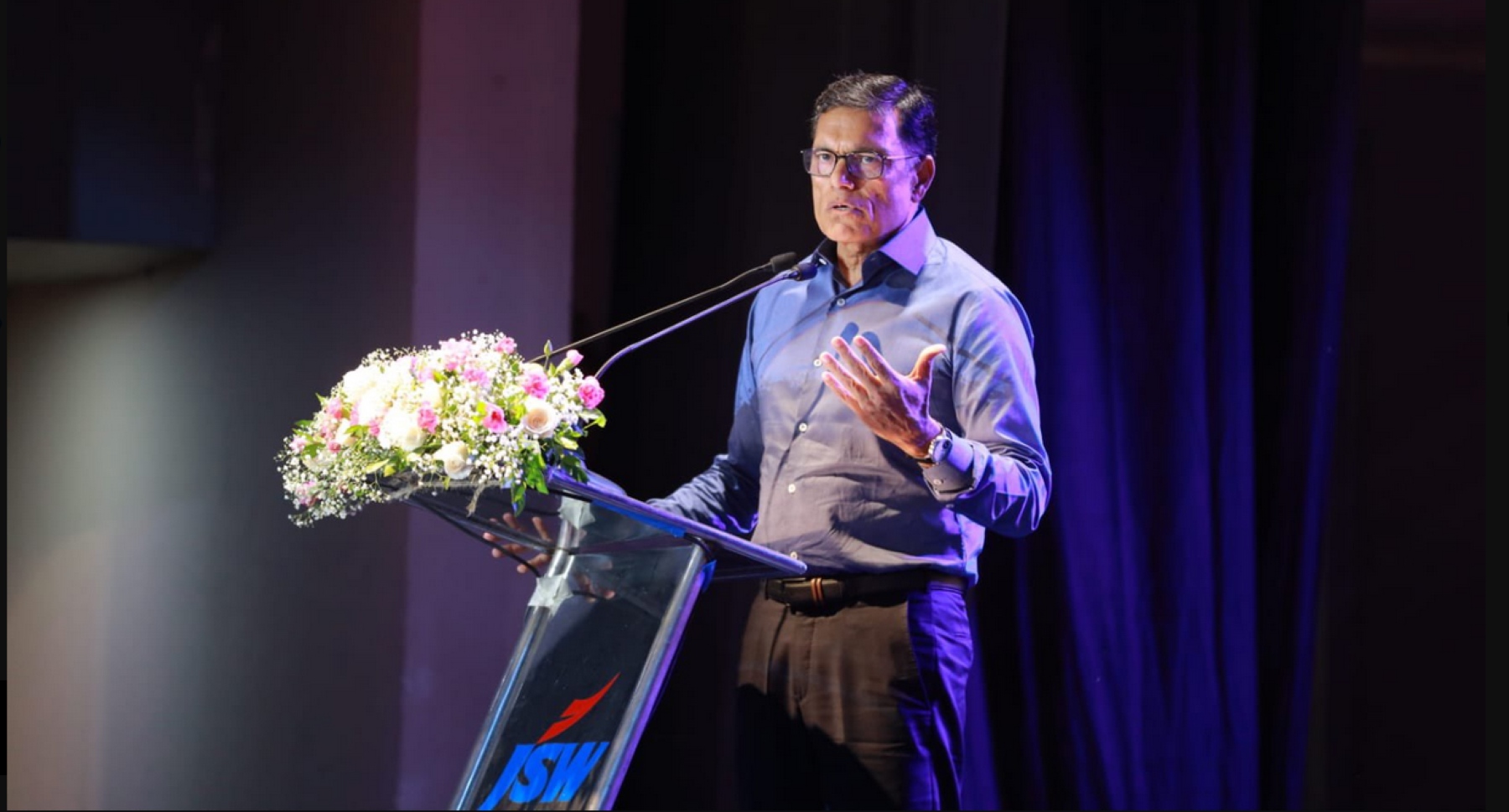
The JSW Steel founder is embarking on an unprecedented expansion, betting on Japan’s JFE and Korea’s POSCO to share the load. But rivalries, debt and market risks could complicate the plan.
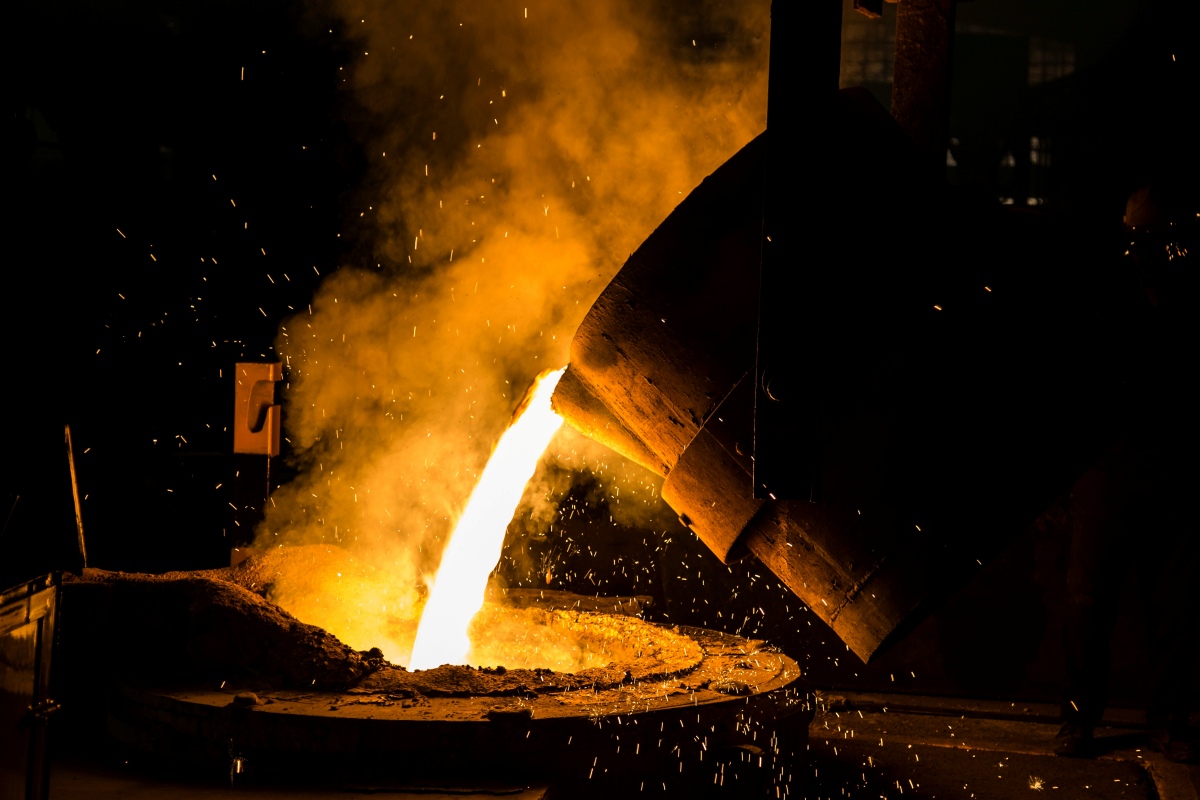
A sharper growth push from Tata Steel is reshaping a long-running contest with JSW Steel and shifting the market’s loyalties. But can it keep its expansion-hungry rival at bay?
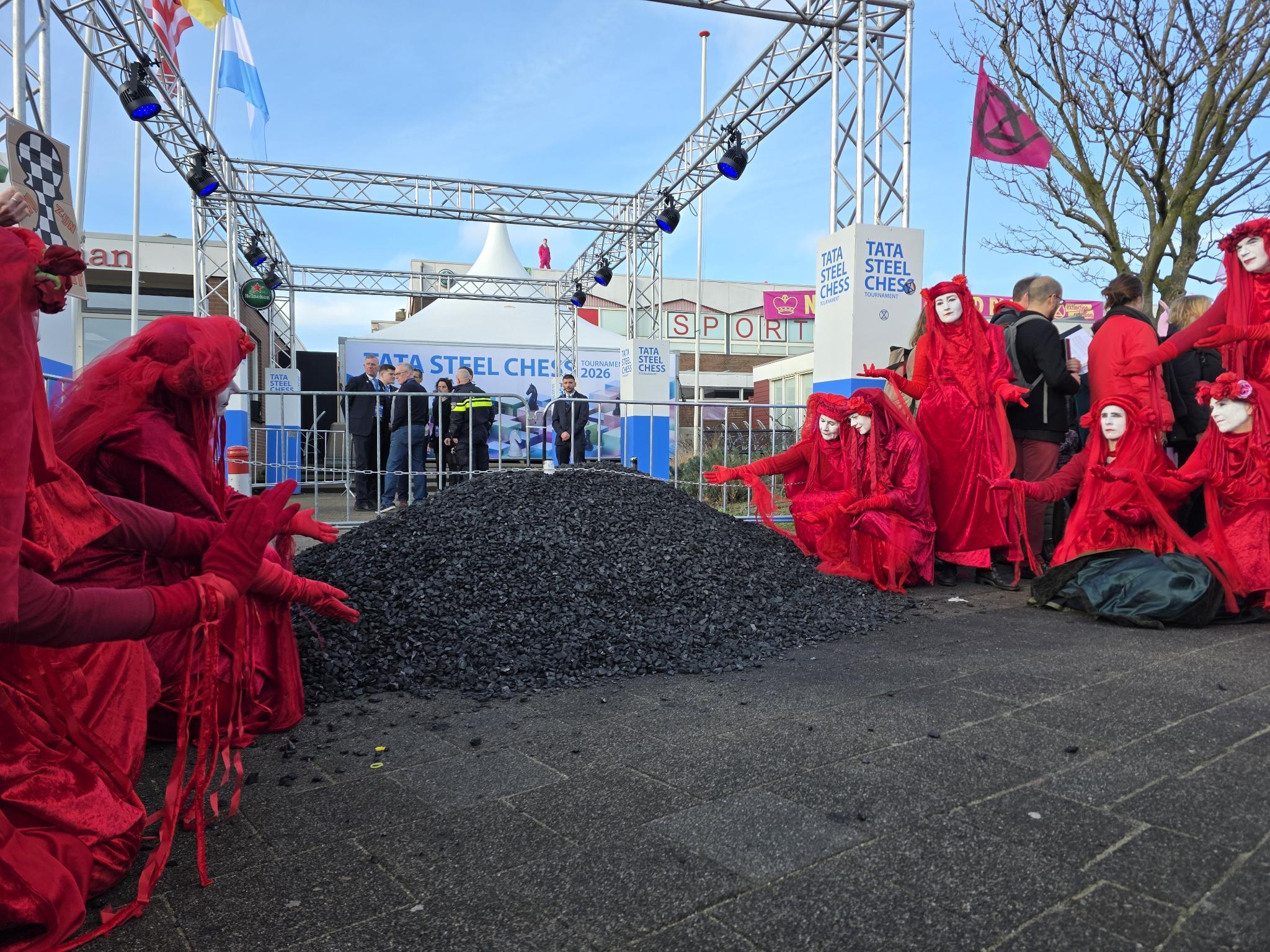
Tata Steel battles protests and litigation in the Netherlands. Separately, India’s solar market powers ahead and ESG investing redraws its boundaries.