/
•
•
Detailed stories on technology startups, business and economic current affairs.
What seemed like the answer to bankers’ prayers is mired in regulatory reluctance, with the big questions on India’s bad loan crisis still unanswered.



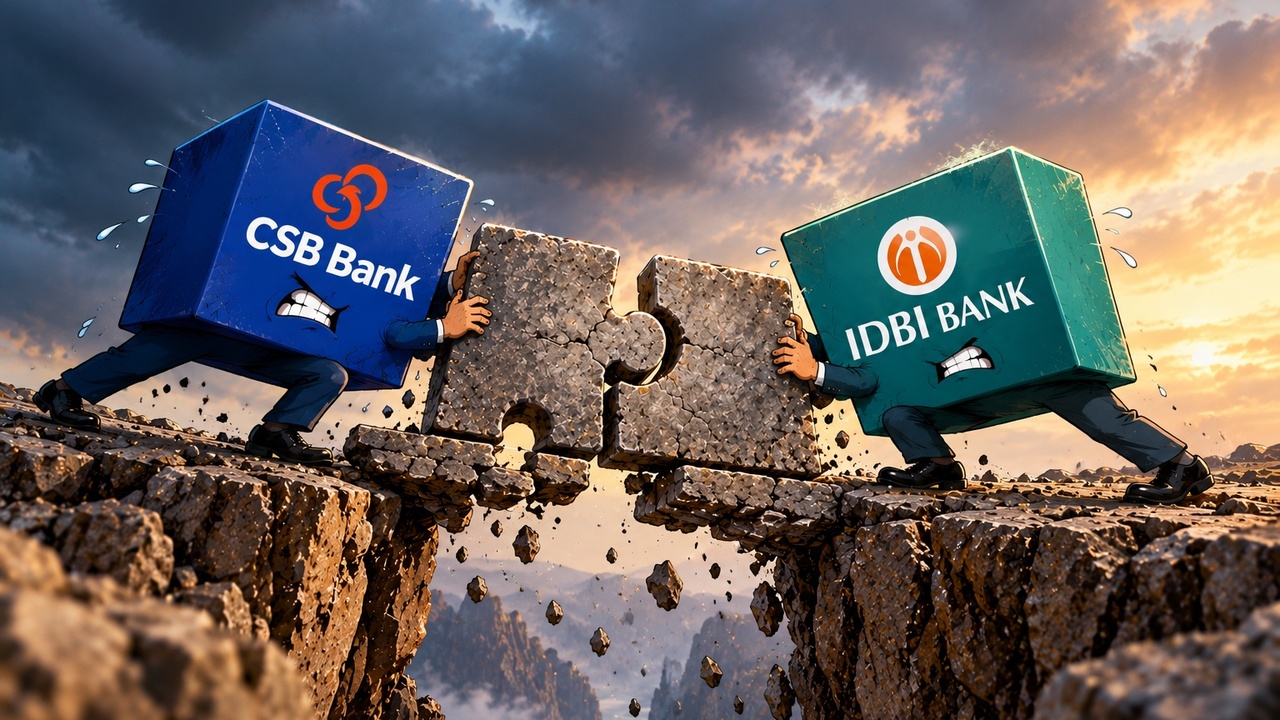
When one looks back at the history of bad loans in the Indian banking system and the various attempts by bankers to recover their dues, the term “delay” will feature prominently at every step of the process.
One example is Amtek Auto.
In June last year, bankers were certain that the insolvency process for the automotive parts maker was in its final leg and a three-year court-monitored process would come to an end. The company, which owed banks over Rs 9,000 crore in loans, was on the “dirty dozen” list of big corporate defaulters referred to the bankruptcy process by …
The regulator’s proposals to introduce checks and safety features in instant payments, if implemented, may end up testing banks.

Atanu Chakraborty’s resignation does not appear as damaging as the bank’s response to it. The ‘all is well’ narrative needs an independent audit.

How well rural consumption is doing is subjective. What isn’t subjective is how growing indebtedness, combined with stagnant income growth, is creating a tinderbox for households, banks and consumer companies that no one is talking about.