/
•
•
Detailed stories on technology startups, business and economic current affairs.
To secure his family’s minority stake, Mistry came close to questioning the corporate governance standards of the century-old Tata group.



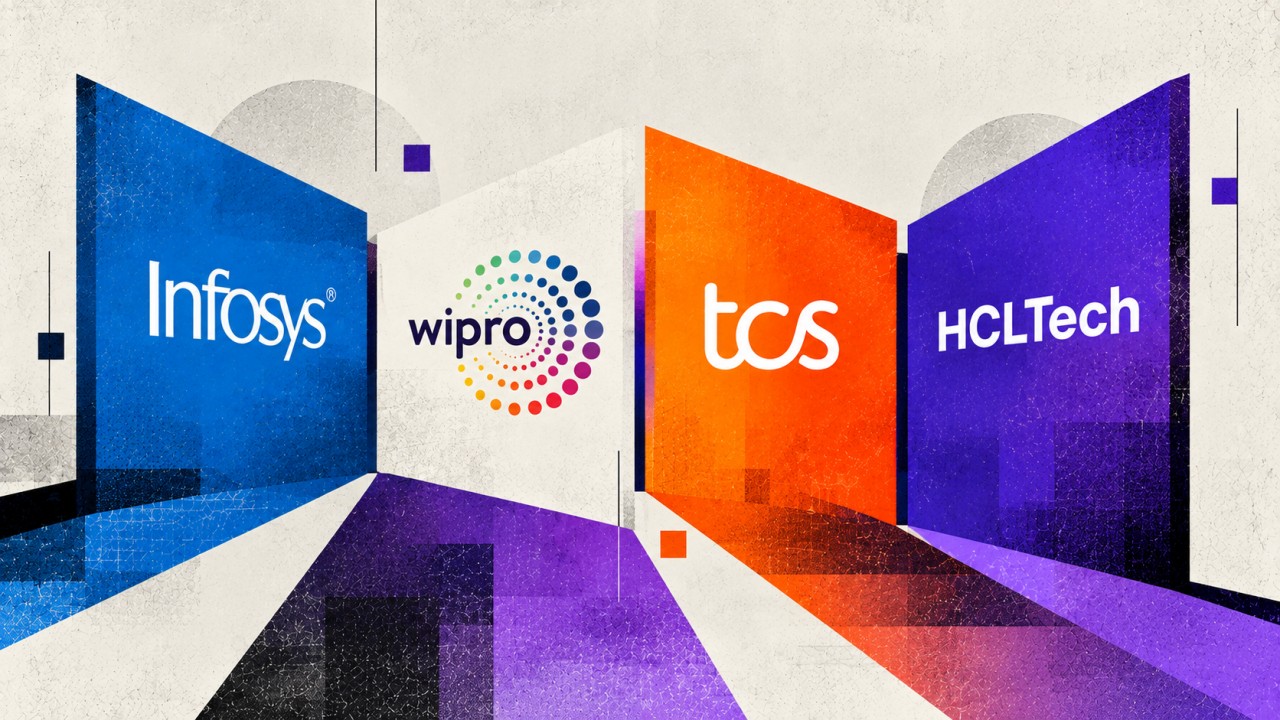
In August 2003, I co-authored a cover story titled “The Enigma called Pallonji Mistry” for Businessworld magazine.
That was when Tata Consultancy Services, the Tata group’s most valuable business and one that funded much of its investments and covered its losses, was being carved out as a separate company from the group’s holding company, Tata Sons, to be listed on the stock exchanges.
The biggest single beneficiary would be Pallonji Mistry—the real estate tycoon and then chairman of the Shapoorji Pallonji Group—who held an 18.4% stake in Tata Sons. After nine decades of being an investor in the Tata group, …
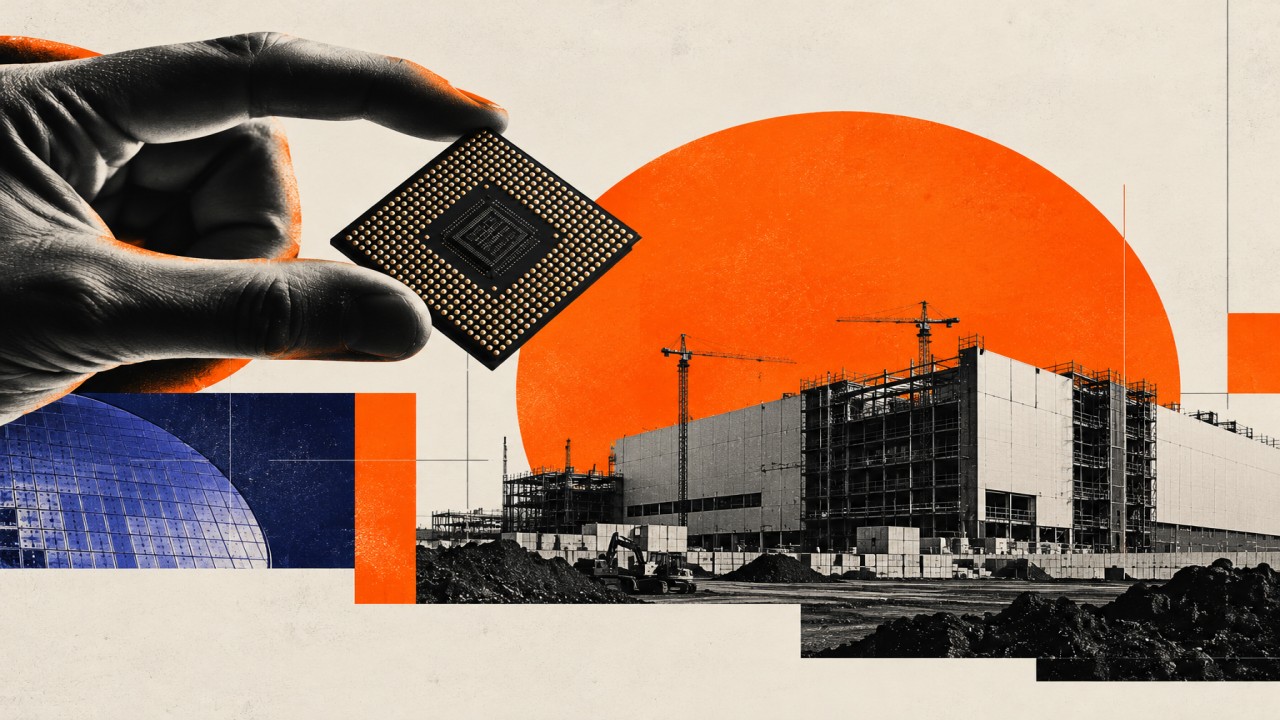
Government subsidies have drawn companies into basic chip packaging, where China and Malaysia already hold an edge. Moving up the value chain may prove to be a stiff task.
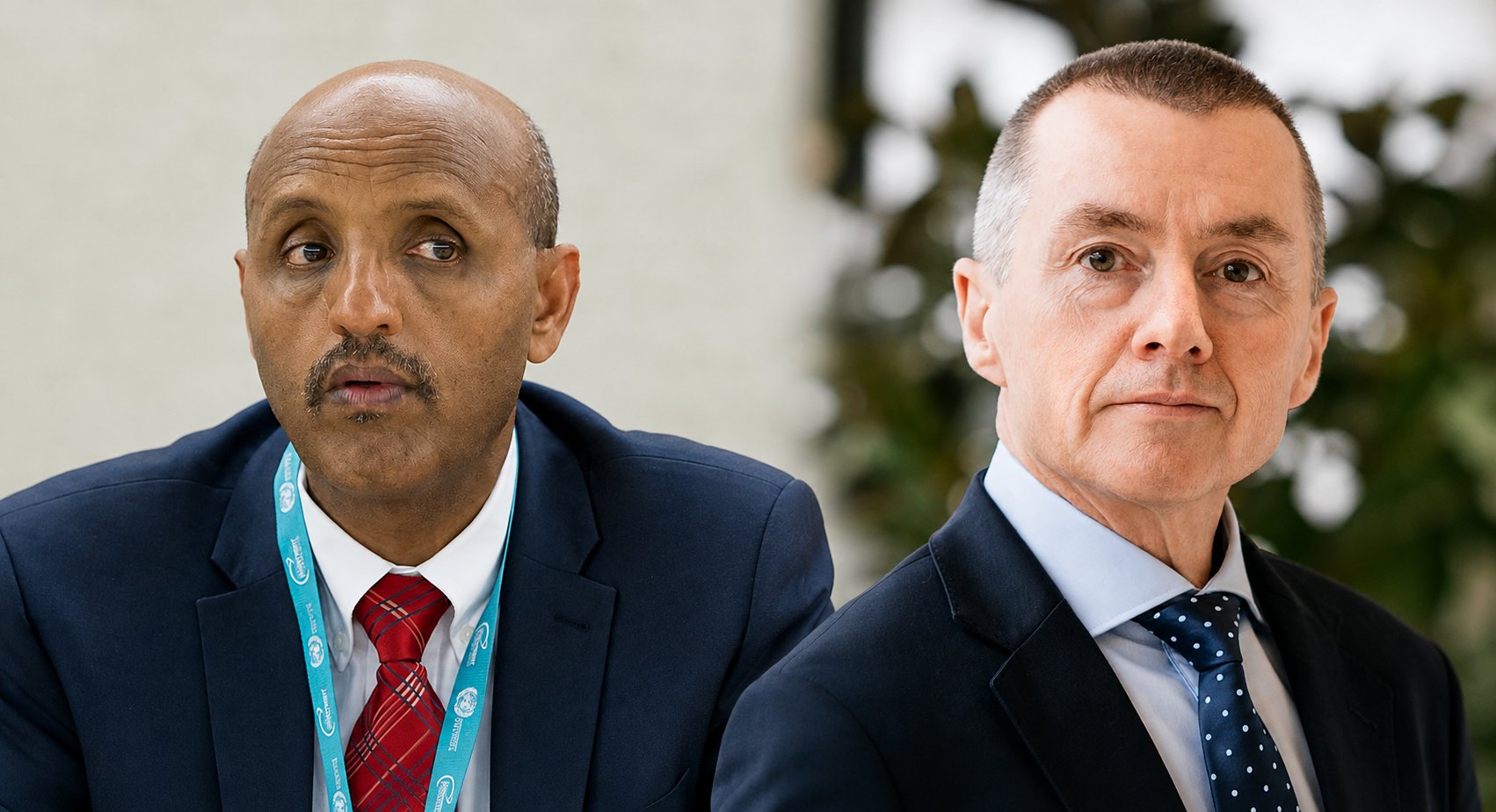
The two new chief executives at Air India and IndiGo come with contrasting reputations but face the same challenge—do their predecessors one better.
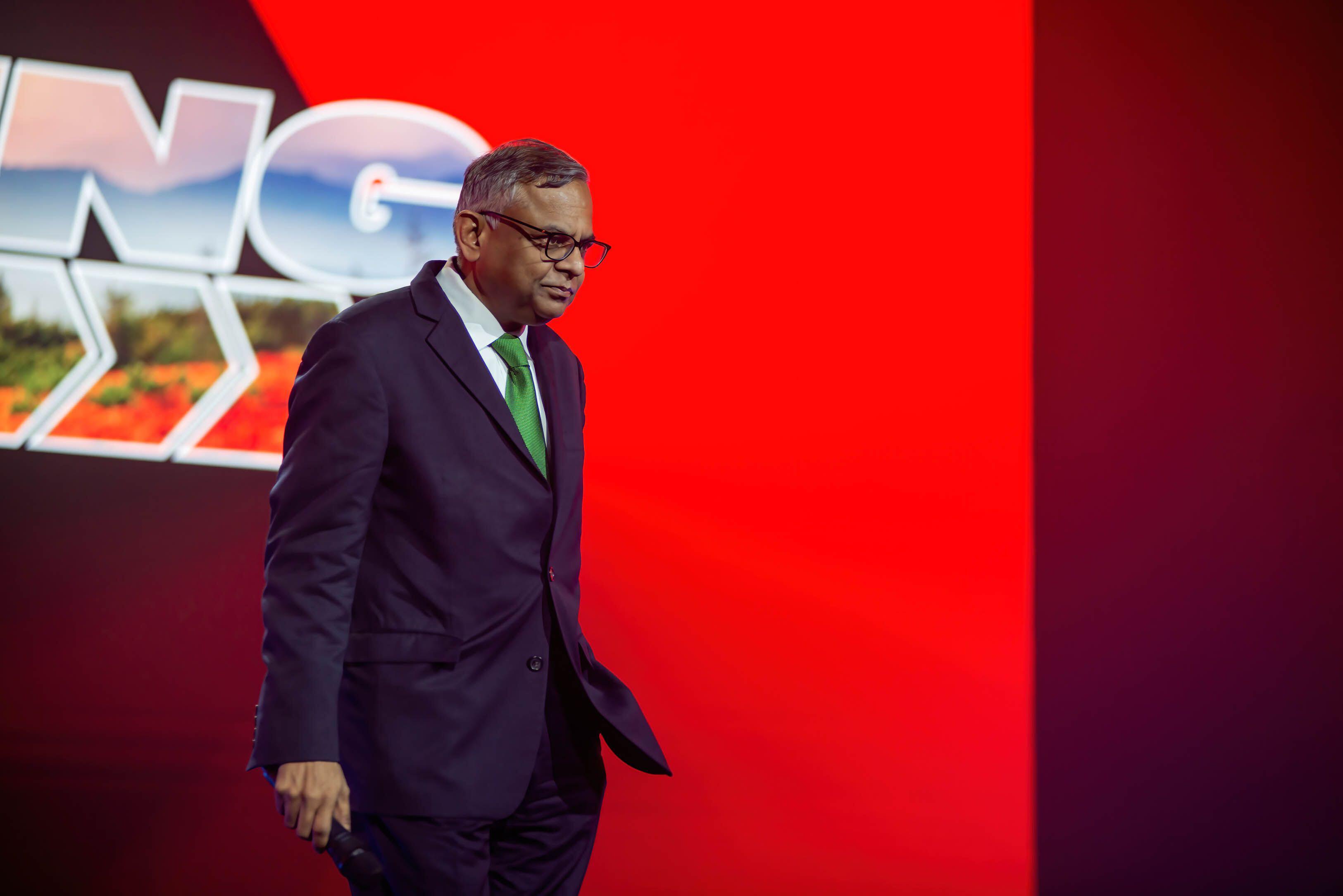
In a surprise move on Wednesday, the Tata Sons chairman announced he will exit Bombay House at the end of his tenure in February 2027. He leaves at what is one of the most crucial times for the group.