/
•
•
Detailed stories on technology startups, business and economic current affairs.
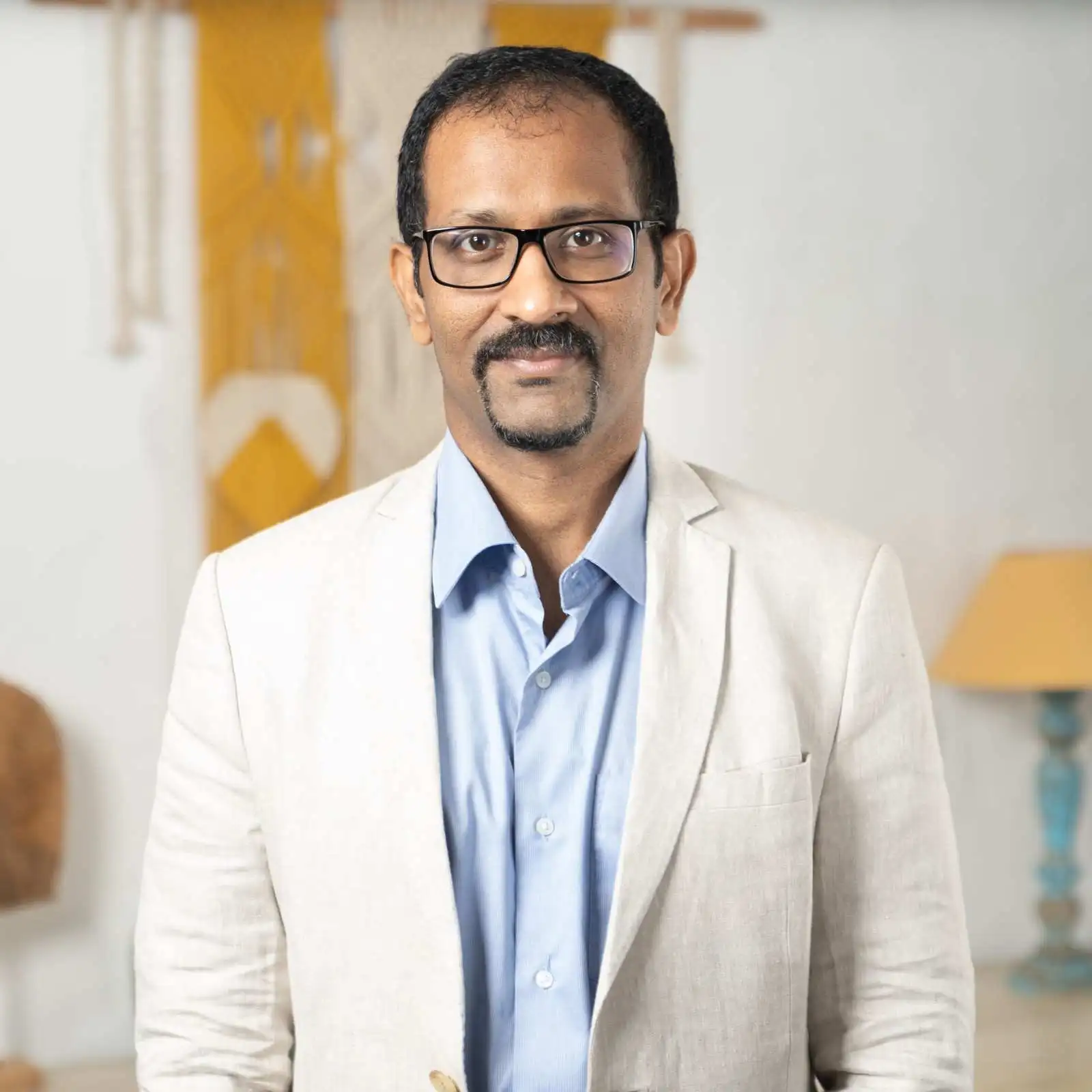
Once regarded as close to the Ruias of Essar, Dilip Oommen is now ArcelorMittal’s point man in an increasingly critical and competitive market.



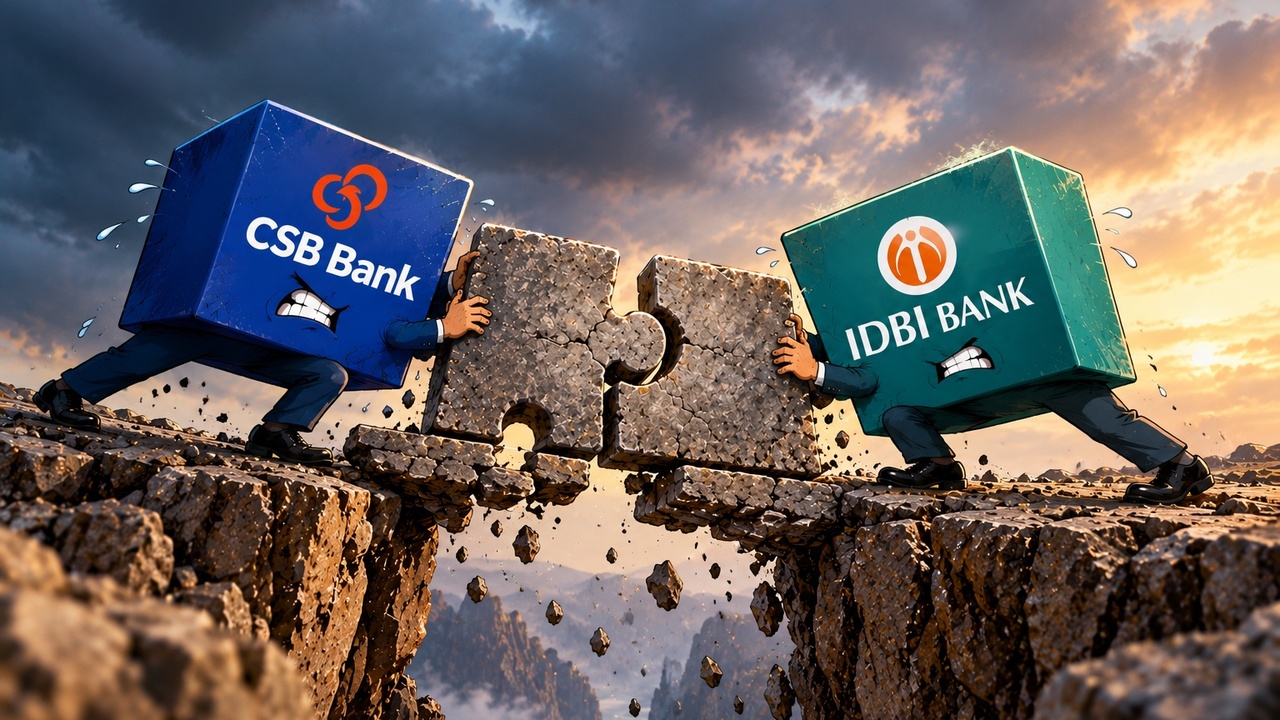
In February, a significant executive move at ArcelorMittal went completely under the radar. There wasn’t even a press release.
It was to do with Dilip Oommen, chief executive officer of ArcelorMittal Nippon Steel India (AM/NS India), the erstwhile Essar Steel in which the world’s second largest steelmaker holds a 60% stake. Oommen was appointed as an executive vice president of ArcelorMittal and became one of the only 11 “executive officers” at the company. That's an elite group of the most senior executives at the Luxembourg-headquartered company, who work closely with executive chairman L.N. Mittal and his son Aditya Mittal, ArcelorMittal’s …
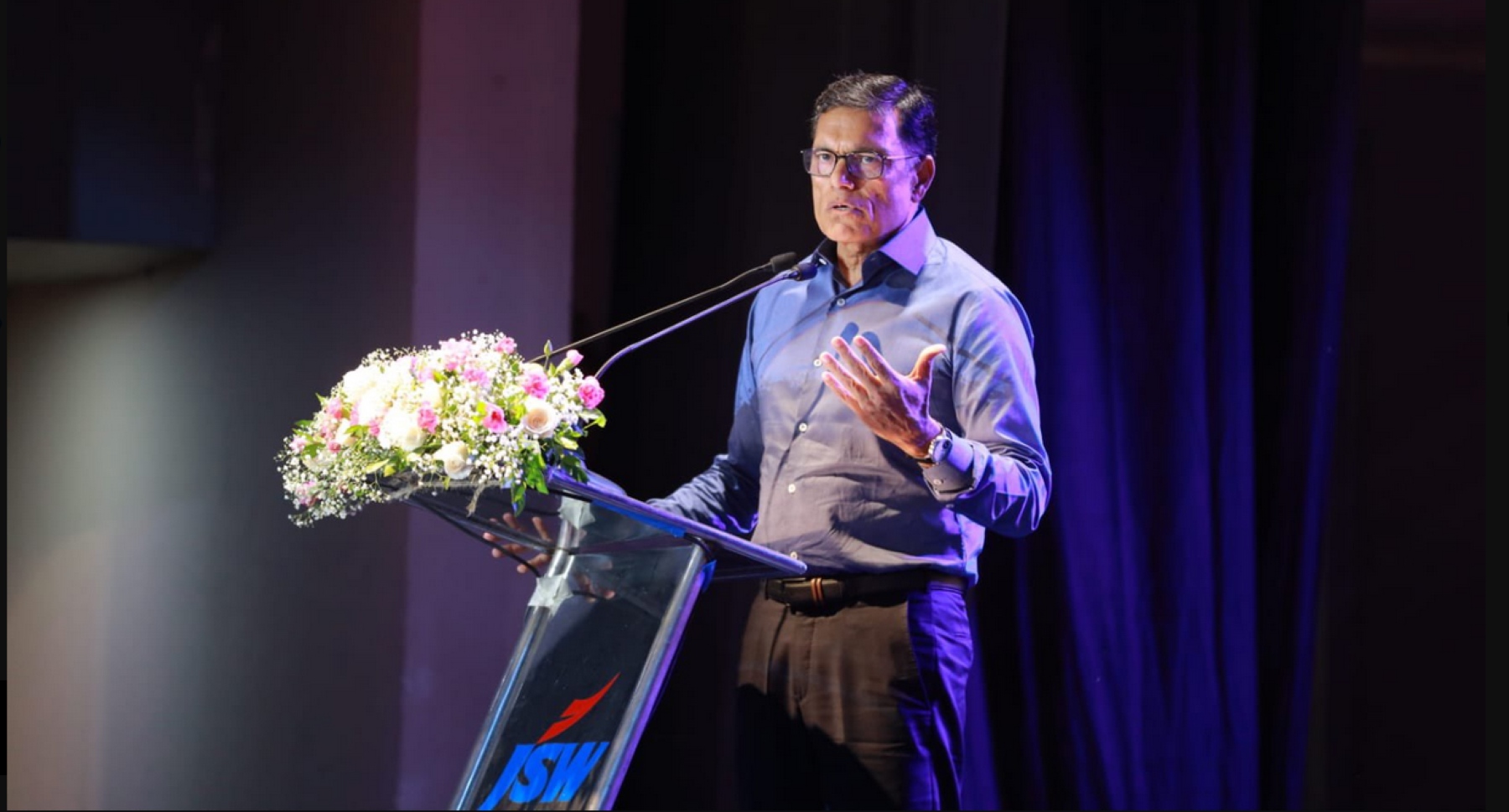
The JSW Steel founder is embarking on an unprecedented expansion, betting on Japan’s JFE and Korea’s POSCO to share the load. But rivalries, debt and market risks could complicate the plan.
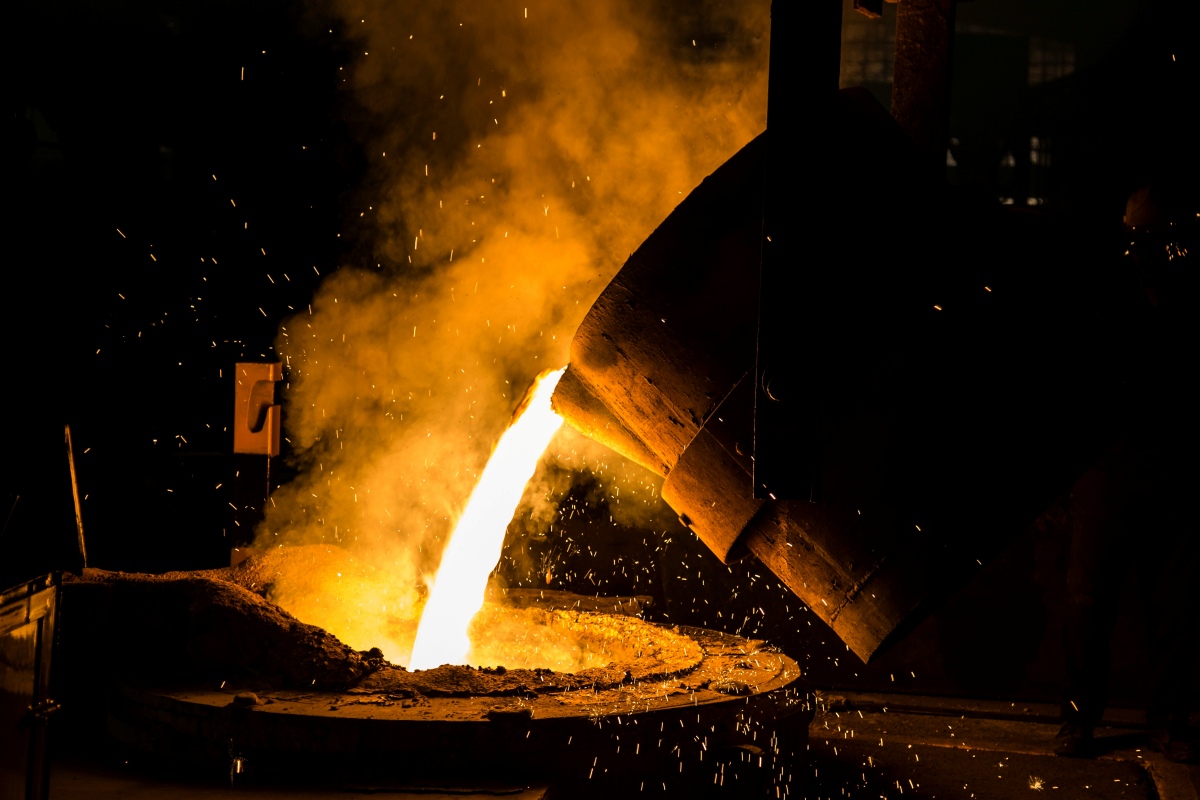
A sharper growth push from Tata Steel is reshaping a long-running contest with JSW Steel and shifting the market’s loyalties. But can it keep its expansion-hungry rival at bay?
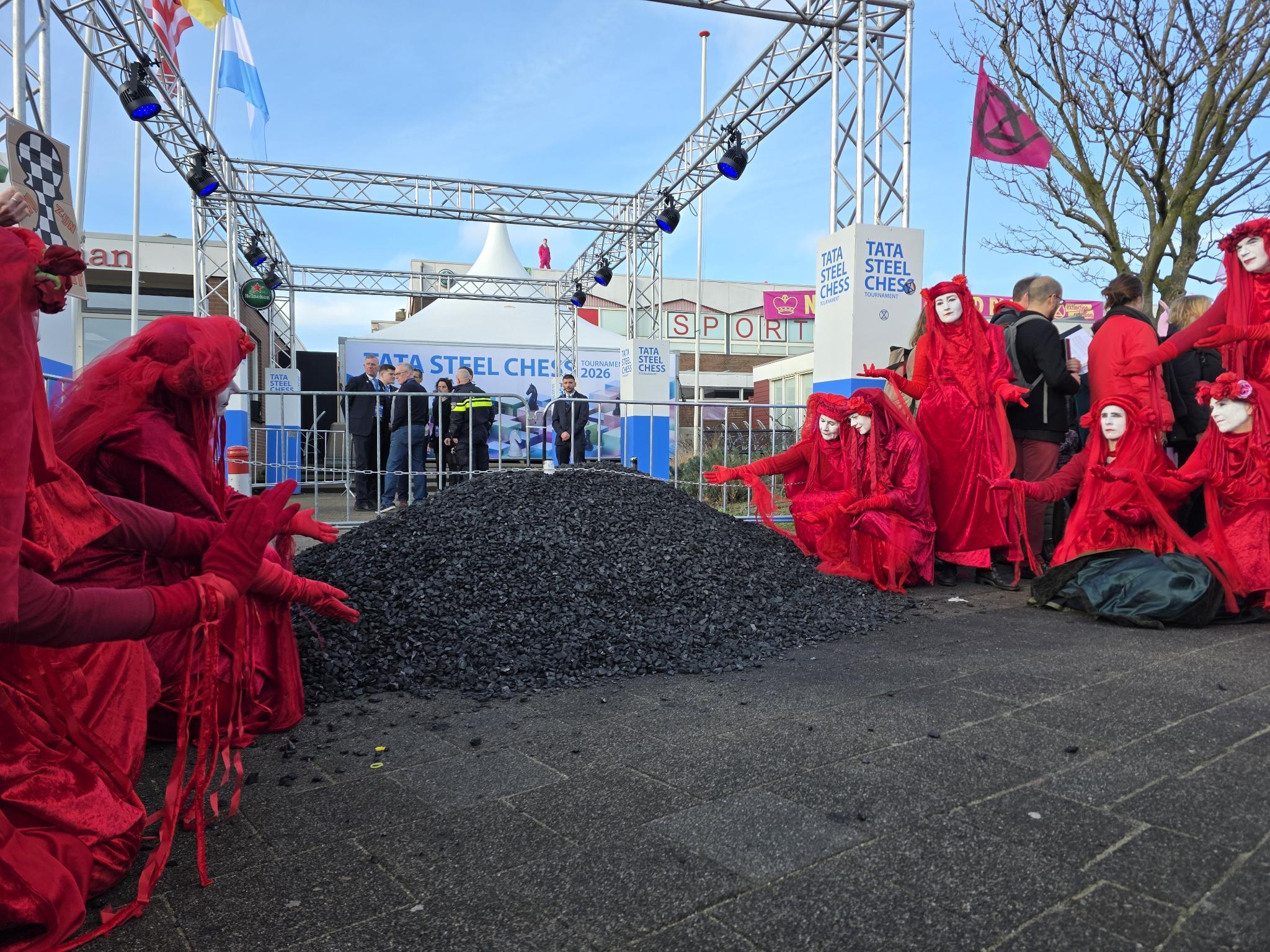
Tata Steel battles protests and litigation in the Netherlands. Separately, India’s solar market powers ahead and ESG investing redraws its boundaries.