/
•
•
Detailed stories on technology startups, business and economic current affairs.
Snowballing customer ire has brought to the fore a deeper rot within the joint venture between the Tatas and Singapore Airlines, heightening the uncertainty on the airline’s future.




The customer thought she had heard it wrong. “Sorry?” the customer, whom we will call DS, asked the executive at the counter. “We have to cancel your ticket,” the executive repeated, without a blink of an eye.
It was 30 December. DS was booked to fly to Dubai to be with her friends and relatives to usher in the New Year. But standing at the Vistara counter in Delhi’s Indira Gandhi International Airport, she could see the worst fears of a traveller coming true.
DS, the executive said, was a US passport holder and despite her status as an Overseas …
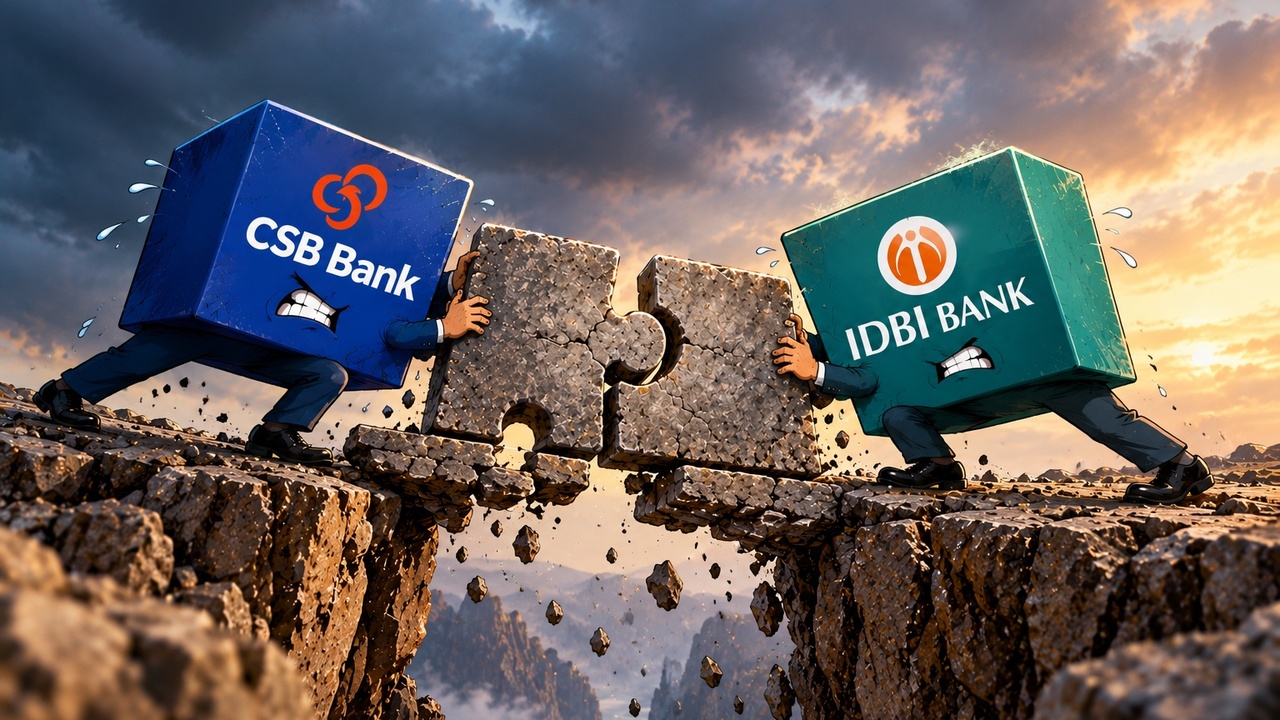
The acquisition of IDBI Bank puts his Fairfax smack dab in the middle of the RBI’s rules on bank ownership. It must now decide whether to sell CSB Bank or merge the two lenders, neither of which will be easy.
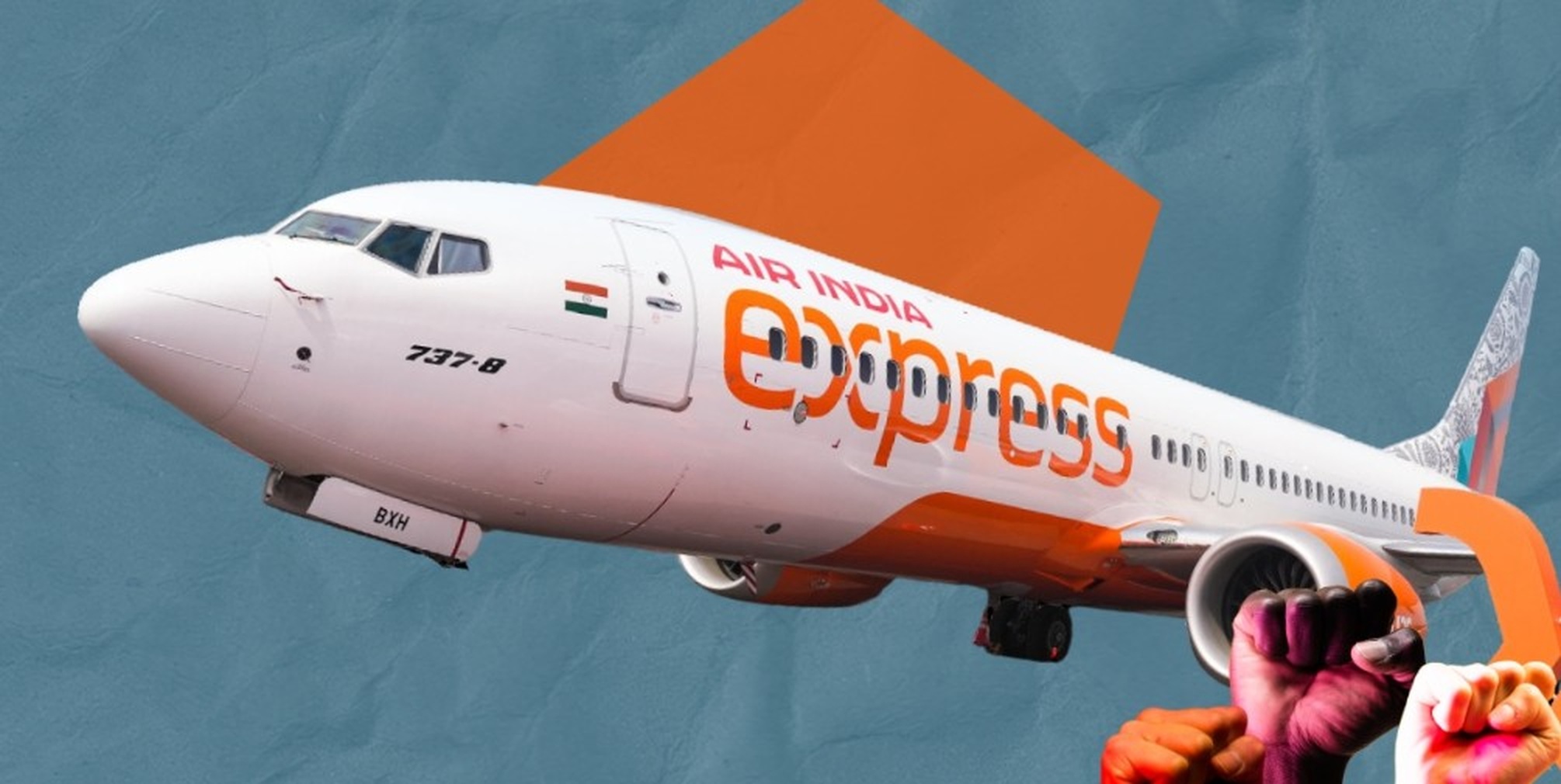
As the low-cost carrier pushes through a compensation overhaul, the absence of a CEO is complicating a delicate moment.
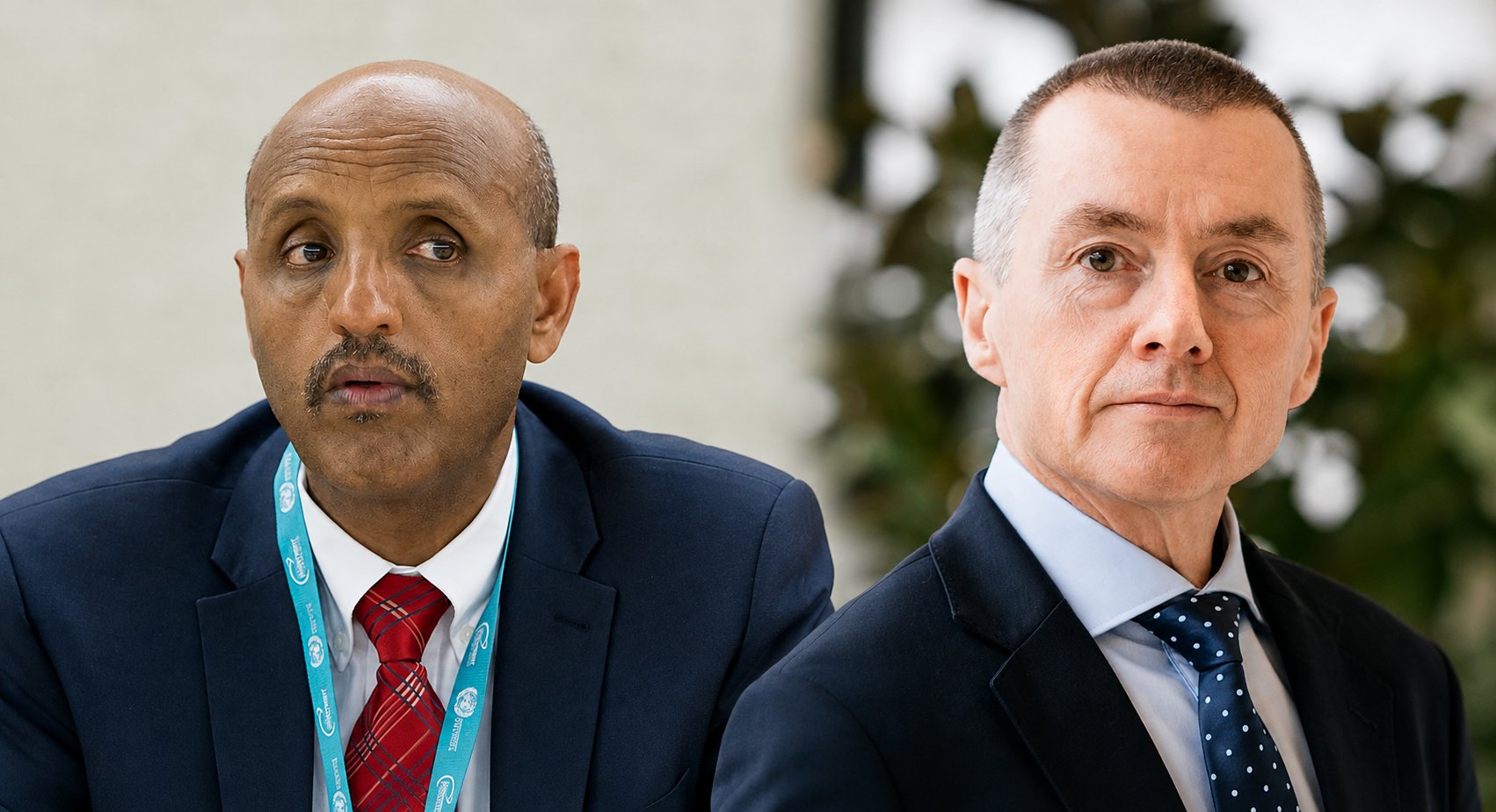
The two new chief executives at Air India and IndiGo come with contrasting reputations but face the same challenge—do their predecessors one better.