/
•
•
Detailed stories on technology startups, business and economic current affairs.
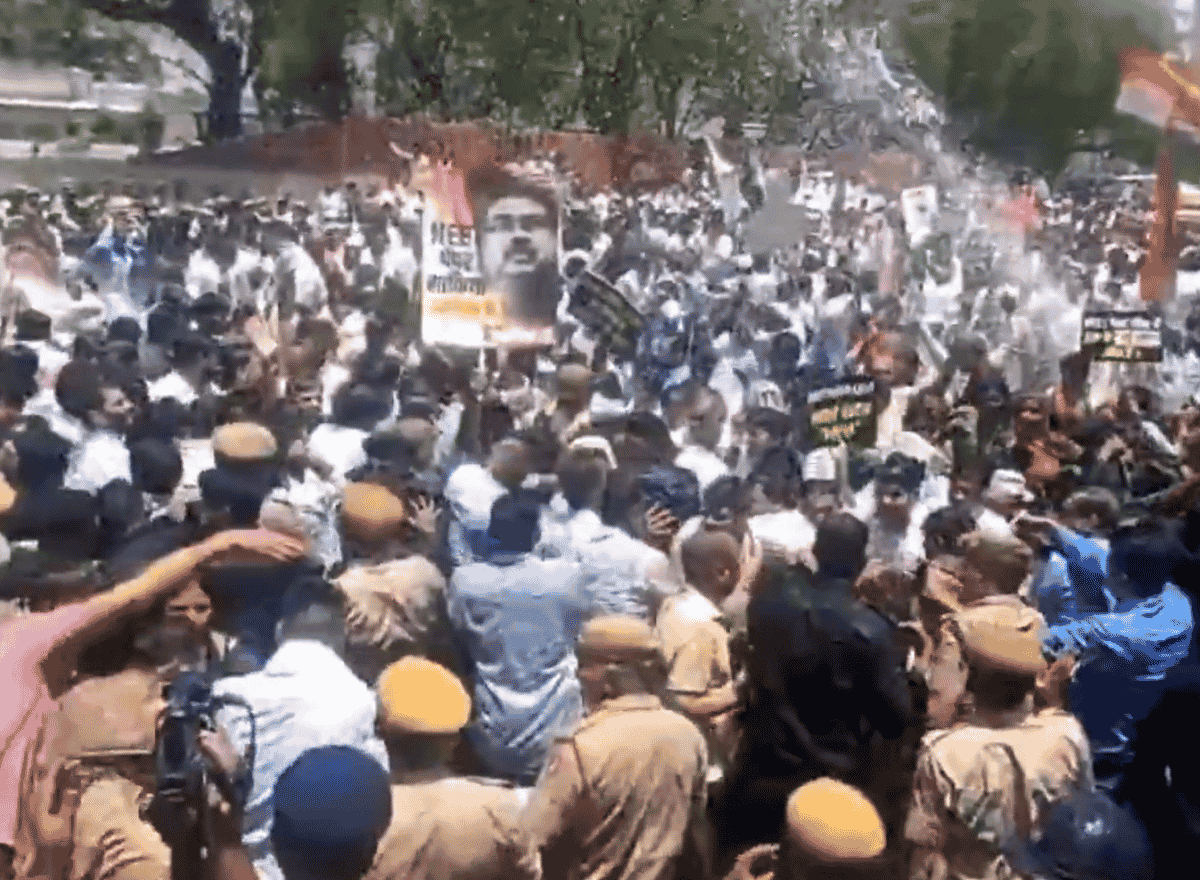
Displaced at the height of the crackdown on Maoist insurgency in the mid-2000s, Chhattisgarh’s tribals are getting no redress from the law enacted to protect their rights.



Editor's note: On 23 March, a group of young Adivasi men and women will embark on a cross-country motorcycle journey. Beginning in the forests near the tri-state border region of Chhattisgarh, Andhra Pradesh and Telangana, they will ride under the summer sun to New Delhi. Three years ago, they had cycled their way to Raipur, the capital of Chhattisgarh. Their demands have been the same, and concerns a mix of conflict, human rights, forest laws and a fate that is not supposed to befall citizens of a modern country. To know what’s going on, let’s rewind to the mid-2000s. The Congress-led United Progressive Alliance had just recorded a surprise win in the general elections, stock markets the world over were on a high and Nokia 1100 phones were all the rage. Central India’s forests, though, were at their lowest point in history. The Naxalite/Maoist conflict had intensified, as the union government was desperate to defeat the guerillas who lived deep inside the forests. The Chhattisgarh government (led by the BJP) formed an armed militia of local Adivasis called Salwa Judum, which translates …

Displaced at the height of the crackdown on Maoist insurgency in the mid-2000s, Chhattisgarh’s tribals are getting no redress from the law enacted to protect their rights.
Editor's note: On 23 March, a group of young Adivasi men and women will embark on a cross-country motorcycle journey. Beginning in the forests near the tri-state border region of Chhattisgarh, Andhra Pradesh and Telangana, they will ride under the summer sun to New Delhi. Three years ago, they had cycled their way to Raipur, the capital of Chhattisgarh. Their demands have been the same, and concerns a mix of conflict, human rights, forest laws and a fate that is not supposed to befall citizens of a modern country. To know what’s going on, let’s rewind to the mid-2000s. The Congress-led United Progressive Alliance had just recorded a surprise win in the general elections, stock markets the world over were on a high and Nokia 1100 phones were all the rage. Central India’s forests, though, were at their lowest point in history. The Naxalite/Maoist conflict had intensified, as the union government was desperate to defeat the guerillas who lived deep inside the forests. The Chhattisgarh government (led by the BJP) formed an armed militia of local Adivasis called Salwa Judum, which translates …

There is a slowdown in transaction volumes and analysts are projecting a decline in future prices. But nobody is anticipating any crashes yet.

In one of its worst years yet, India’s largest winemaker is facing headwinds on all fronts and has little by way of a plan.

As talks harden, India drags finance and fairness into the conversation at the annual climate summit.
There is a slowdown in transaction volumes and analysts are projecting a decline in future prices. But nobody is anticipating any crashes yet.
In one of its worst years yet, India’s largest winemaker is facing headwinds on all fronts and has little by way of a plan.
As talks harden, India drags finance and fairness into the conversation at the annual climate summit.