/
•
•
Detailed stories on technology startups, business and economic current affairs.
The World Bank-funded project in the idyllic Himachal region poses a threat to local tribals and rare animals.



“My yaks are grazing in Dhar Dumbachen,” said Rinchen Tobge, between sips of tea as he took a break from painting his two-room homestay on a November afternoon. He was preparing for the tourists expected to throng Spiti in the winter, hoping to catch a glimpse of a snow leopard.
“Dhar” means ridgeline in the local language. Dhar Dumbachen—at an elevation of 5,100 metres above sea level in the state of Himachal Pradesh—is a ridge with vast pastures around it. Residents of nearby Tashigang, Gete, Kibber and Chicham villages graze their livestock there in summer.
By January, Tobge’s two yaks …

There is a slowdown in transaction volumes and analysts are projecting a decline in future prices. But nobody is anticipating any crashes yet.
Rapid asset purchases are driving generation growth, but rising debt and weaker cash flows are testing investor confidence.
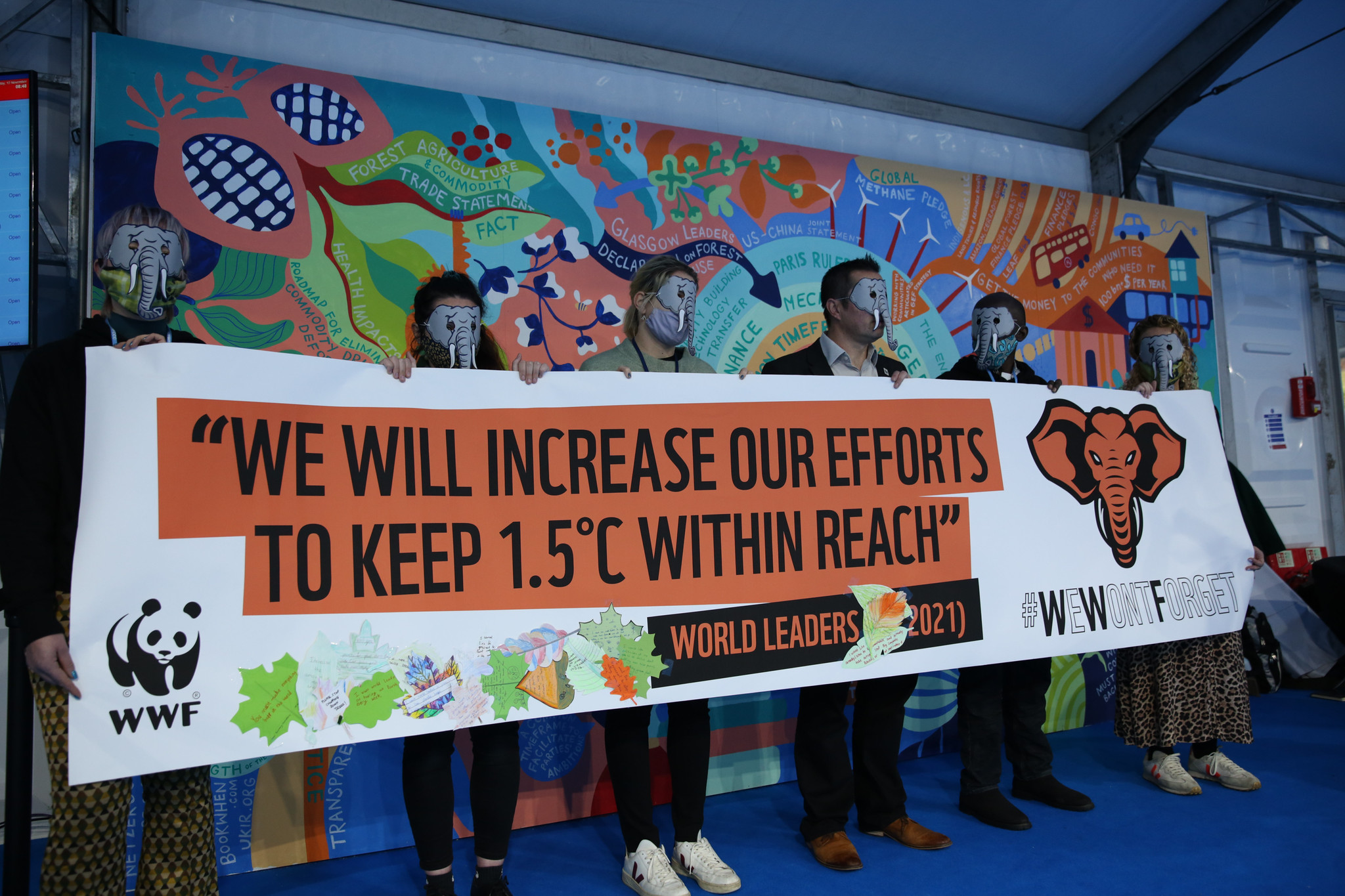
The window to prevent the worst impacts of climate change has shut. The heat is on global leaders at the annual climate talks in Brazil to deliver more than just theatre.