/
•
•
Detailed stories on technology startups, business and economic current affairs.
SC and CAG deliver stinging indictments on the company’s record of complying with environmental norms and misleading the public.




Last week brought bad news for the Delhi Metro Rail Corporation. The public sector company, best known for operating metro trains efficiently in India’s capital, faced severe criticism from two influential quarters.
First it was the Supreme Court and a couple of days later, the Comptroller and Auditor General. Both severely criticized certain aspects relating to the planning and execution of the metro rail project of the DMRC, as the corporation is alternatively called. While the criticisms were about multiple aspects of the metro rail project, what stood out starkly among them was the strong criticism made by both the …

The framework reads less like an agreement between partners and more like a probation order written by the stronger side.
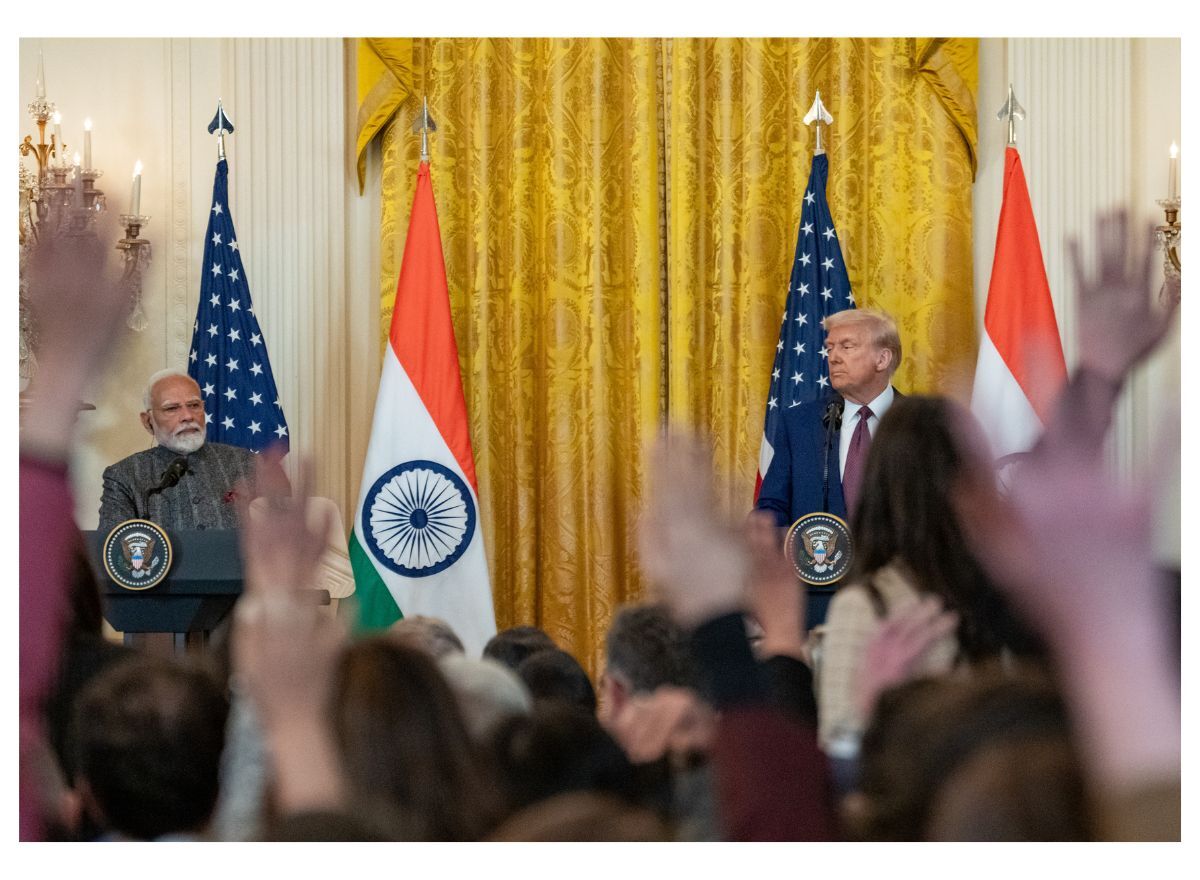
It’s never a good sign when your foreign minister needs a lobbyist to meet US officials. The recent events signal a breakdown in the Modi government’s ability to operate in today’s Washington through its own machinery.
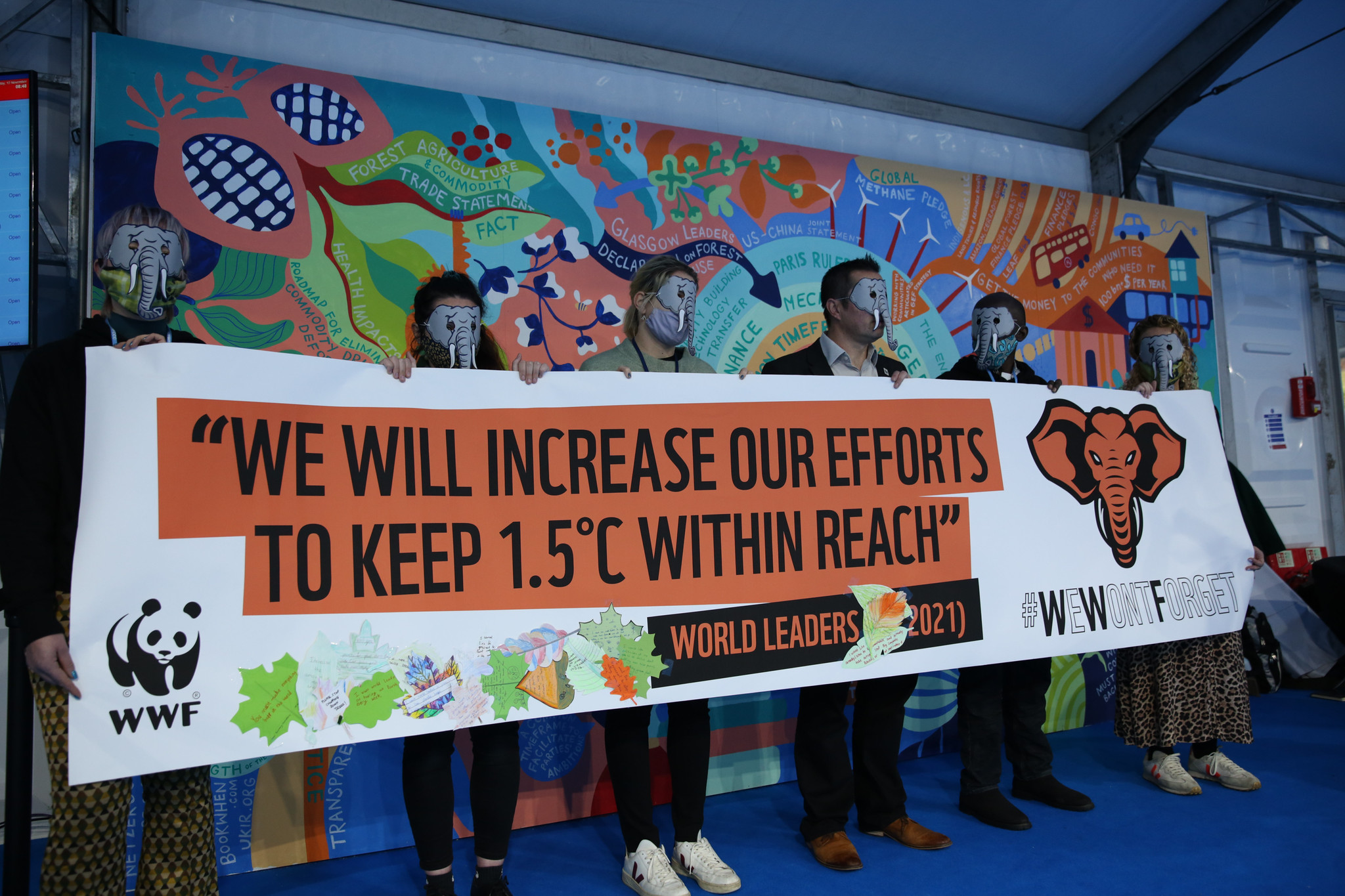
The window to prevent the worst impacts of climate change has shut. The heat is on global leaders at the annual climate talks in Brazil to deliver more than just theatre.