/
•
•
Detailed stories on technology startups, business and economic current affairs.
While MSPs have risen in the past, the steady rise in input costs has absorbed most of the increases.



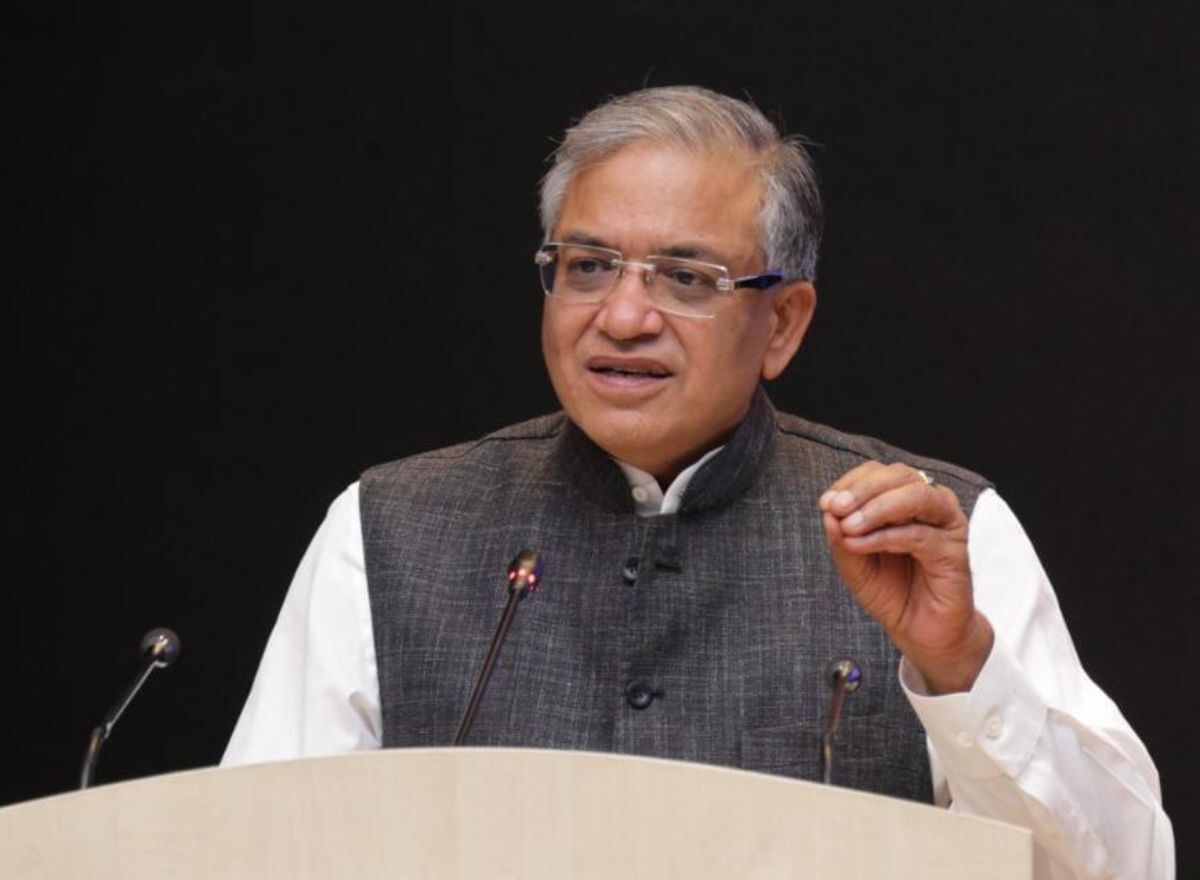
There is much ongoing debate on the new minimum support prices (MSPs) for crops declared by the Government of India. For Kharif 2022-23, the MSP for rice was raised by Rs 1 per kg, and the MSP for maize by 92 paise per kg. For pulses, oilseeds and cotton, MSPs were raised by Rs 3-4 per kg.
On the one hand, some economists argue that MSPs lead to higher inflation. However, this argument is considered specious as only a part of the total production of major crops in India are procured; and, at the national level, MSP covers only 13% …


The economy grew strongly despite several headwinds, with the policy responses mostly fitting the need. How sustainable is the growth rate, though?

Ari Emanuel’s $3 billion bet on live entertainment rests on the assumption that artificial intelligence will reduce working hours and increase the demand for leisure. But it’s hard to imagine such a future, particularly in India.

The panacea for the FMCG giant’s tepid growth lies in small-town and rural India. But that’s also shaping up as the new battleground for competitors looking to challenge its dominance.