/
•
•
Detailed stories on technology startups, business and economic current affairs.
School textbooks largely steer clear of exploring casteism. Political compulsions, a misplaced pride in our traditions and the inability to atone for historical wrongs are to blame.



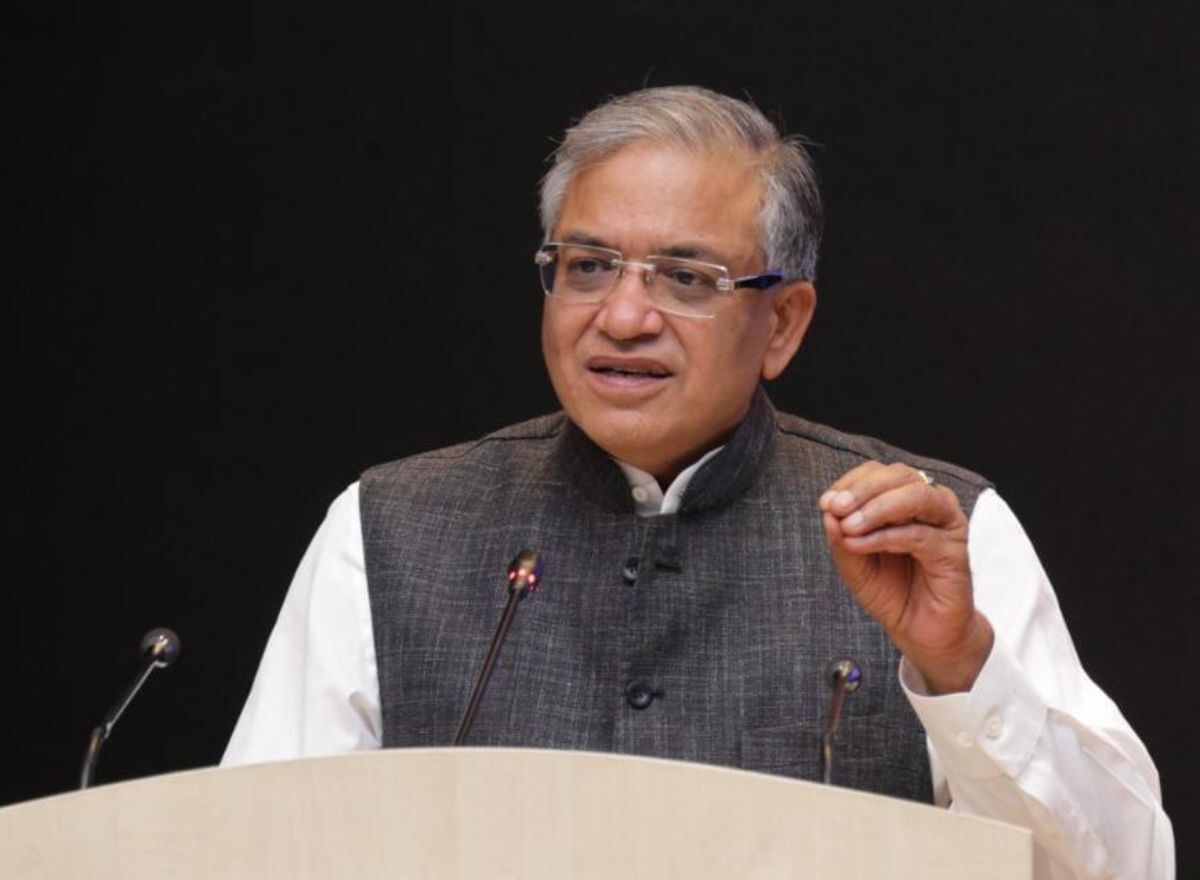
Y.S. Raghav has been a teacher for 40 years. He’s spent the last 17 of them as principal of JPGD Inter College at Hathras, Uttar Pradesh. Nearly 1,000 students, from classes 1 to 12, attend his institute. A few end up in the police or civil services, many go back to work on the potato and lentil farms sprawled across the countryside.
At 61, Raghav has a full head of hair and a beard that makes him look a lot like Narendra Modi. And, like the prime minister, he too is full of platitudes, especially when talking about caste. “ …
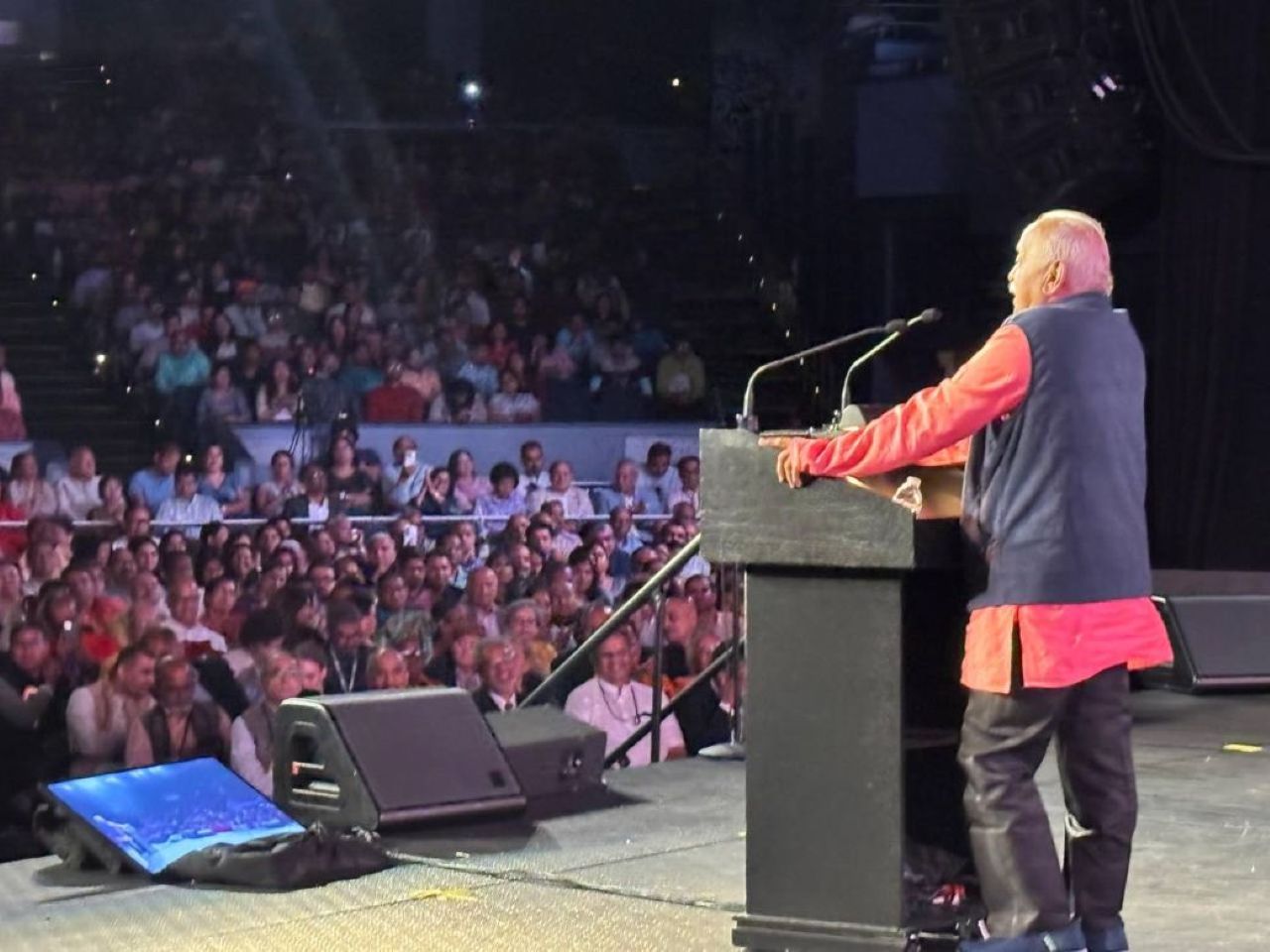
Influence cannot be manufactured through diaspora networks, carefully branded events or political donations. It requires honesty and credibility.
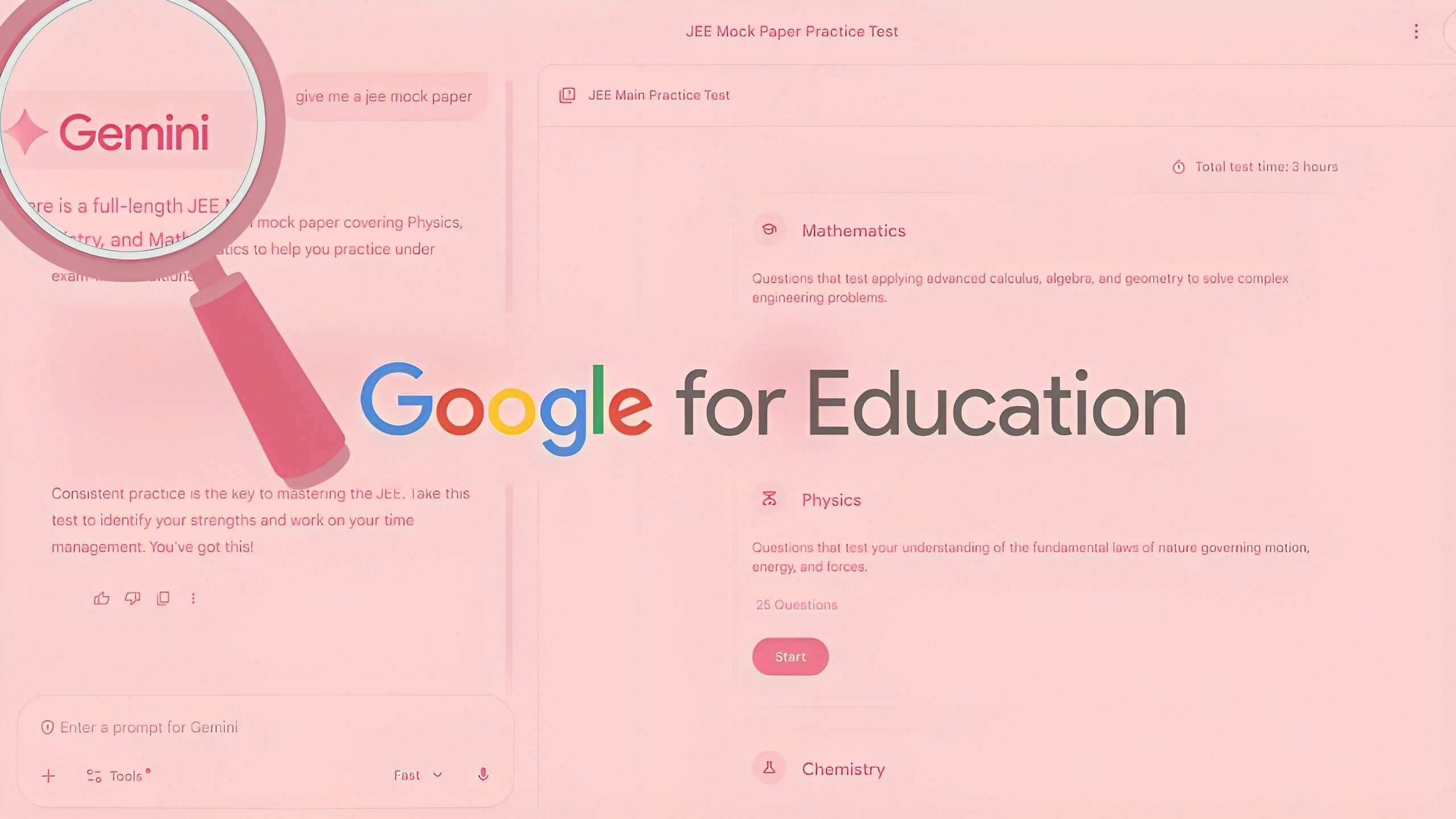
AI is set to disrupt the sector. While the path ahead looks tough for legacy publishers like S Chand Publishing and Arihant Publications, things don’t look encouraging for others in the industry either.

As AI advances rapidly, leadership, judgment and strategy matter more than ever. Today’s MBA is evolving to shape leaders for an AI-led world.