/
•
•
Detailed stories on technology startups, business and economic current affairs.
The marriage of the two companies has been a long time coming. Yet, it makes little sense.




The long speculated acquisition of Blinkit (previously Grofers) by Zomato has finally been announced. The latter’s board of directors approved the acquisition on Friday evening and it is now awaiting approval from the shareholders and stock exchanges. It’s an all-stock deal with the grocery delivery startup valued at Rs 4,447 crore, or about $570 million.
At the moment, Zomato already holds 9% and 8.4% in Blinkit’s B2C and B2B entities, respectively; it had invested $100 million, or about Rs 750 crore in Blinkit in August 2021. Earlier this year, Zomato had also extended a loan of up to $150 million, …

India’s grocery and food delivery platforms are increasingly displaying misleading images of food using artificial intelligence, defeating the very purpose of buying online.

Parent AceVector is headed for a public market debut next week. As much as 97% of its revenue comes from two businesses. One is already a listed entity, the other a missed opportunity.
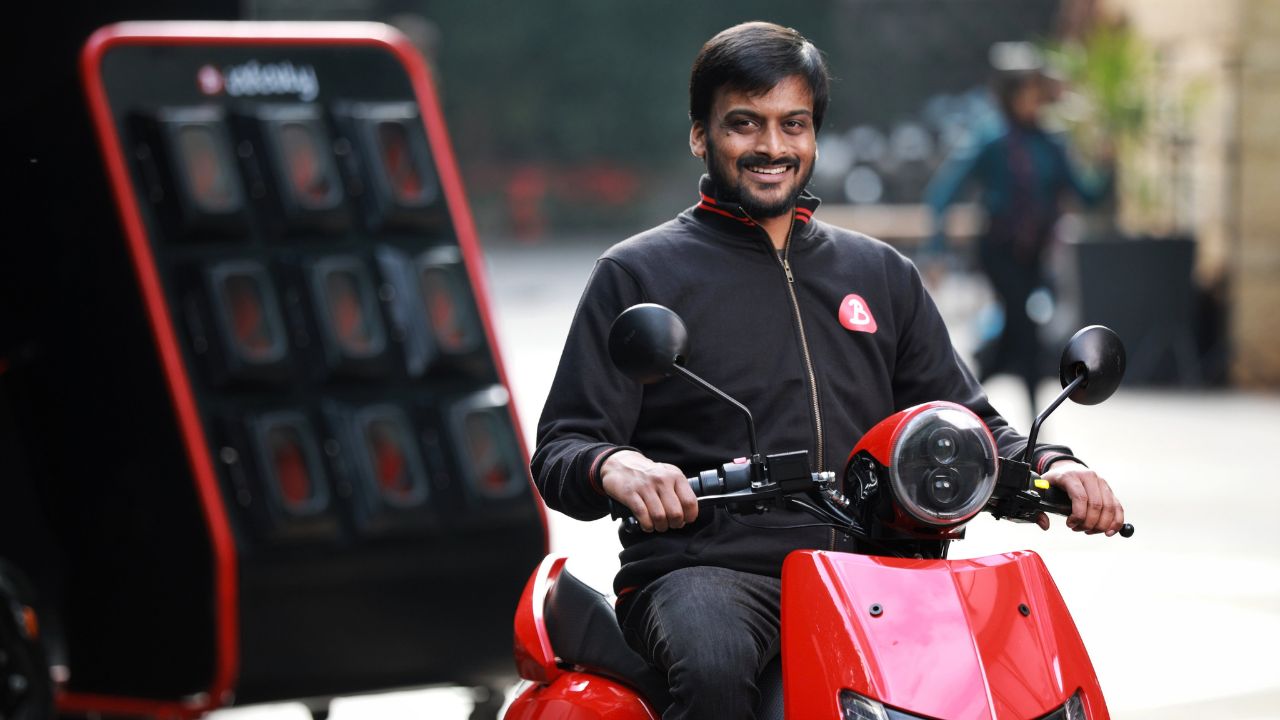
The EV maker is turning to gig-worker rentals to absorb its scooter output. But questions on cost, competition and execution make its latest pivot uncertain.