/
•
•
Detailed stories on technology startups, business and economic current affairs.
BNPL startups have Indians taking loans for cab rides and dinner parties. With the spotlight now on questionable practices, the RBI is calling them in.



Around 10 officials from the Reserve Bank of India, seated around a boardroom table at the central bank’s Mumbai headquarters, looked on intently as the founder of a five-year old startup made his presentation.
His firm is a licensed non-banking financial company, or NBFC in Indian banking parlance, with a modest loan book of about Rs 200 crore. More importantly, it’s also a fintech startup with a buy-now-pay-later app that has disbursed loans worth Rs 2,000 crore over the past six months, in partnership with a number of other NBFCs.
And the reason this founder had been summoned by the …
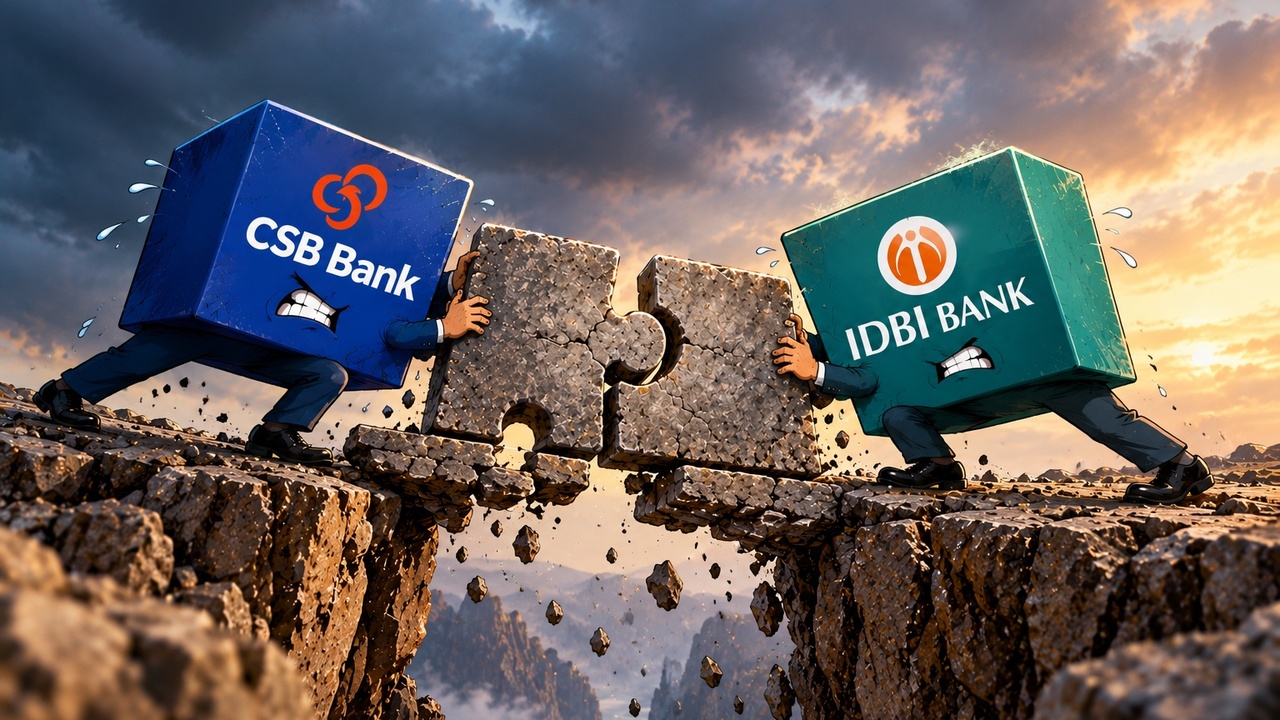
The acquisition of IDBI Bank puts his Fairfax smack dab in the middle of the RBI’s rules on bank ownership. It must now decide whether to sell CSB Bank or merge the two lenders, neither of which will be easy.

Lenders stand to gain a lot more than borrowers in the current challenging market environment

The loan aggregator keeps sending updates on WhatsApp even to users who haven’t applied for a loan. The company is exploiting a grey area in India’s telecom regulatory framework and WhatsApp’s policies.