/
•
•
Detailed stories on technology startups, business and economic current affairs.
A public listing could be the payment firm’s only option of bouncing back from the failed buyout in a challenging market.




After the Prosus deal fell through last month, BillDesk is weighing an initial public offering, according to three industry executives aware of the matter.
While an IPO is unlikely before 2024, a challenging funding environment, coupled with the founders’ aspirations to eventually step down from BillDesk’s day-to-day operations, makes a stock exchange listing the most likely next step as the 22-year-old payment gateway looks to put a failed buyout behind it, they said, on condition of anonymity.
On 3 October, the Amsterdam-based investment group called off a $4.7 billion deal to acquire BillDesk and merge it with its payments arm, …

The UAE is looking at its first public listing of the year while Egypt just delivered a big one; OpenAI’s bugging accused has ties to Saudi Arabia; and other updates from the week.
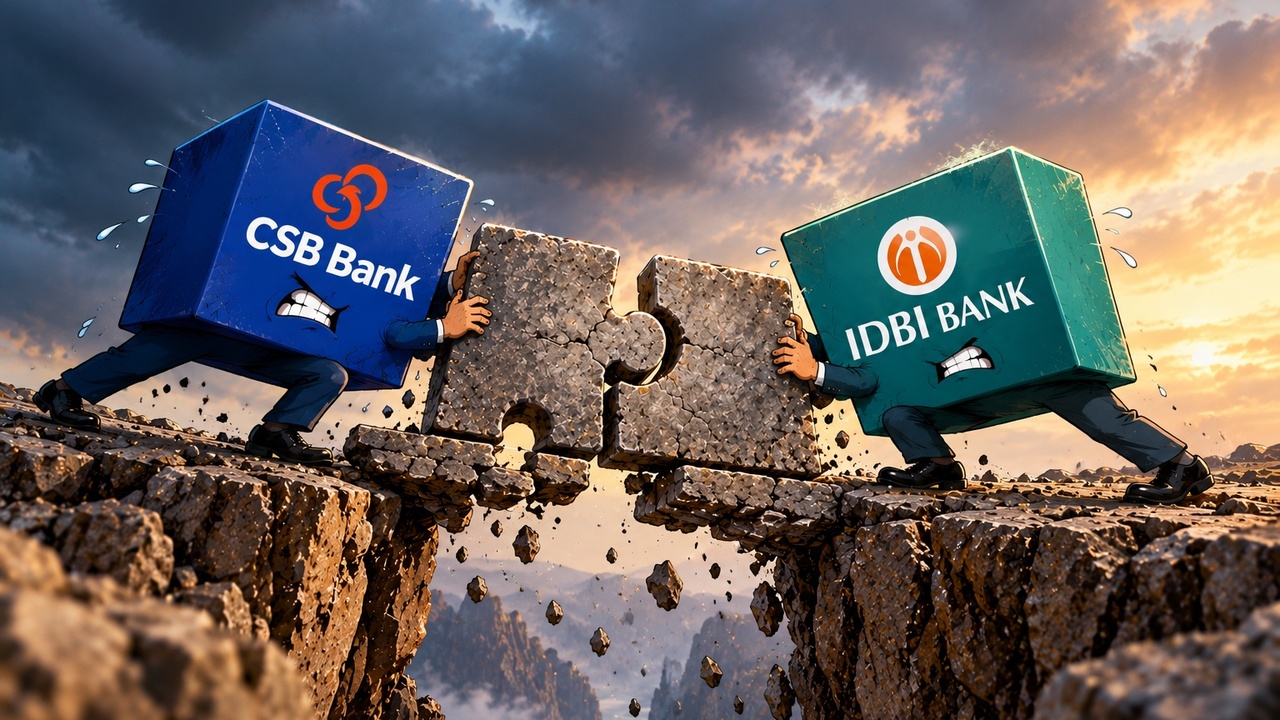
The acquisition of IDBI Bank puts his Fairfax smack dab in the middle of the RBI’s rules on bank ownership. It must now decide whether to sell CSB Bank or merge the two lenders, neither of which will be easy.

Lenders stand to gain a lot more than borrowers in the current challenging market environment