/
•
•
Detailed stories on technology startups, business and economic current affairs.
For EVs to take off, will Indians swap batteries instead of charging them?



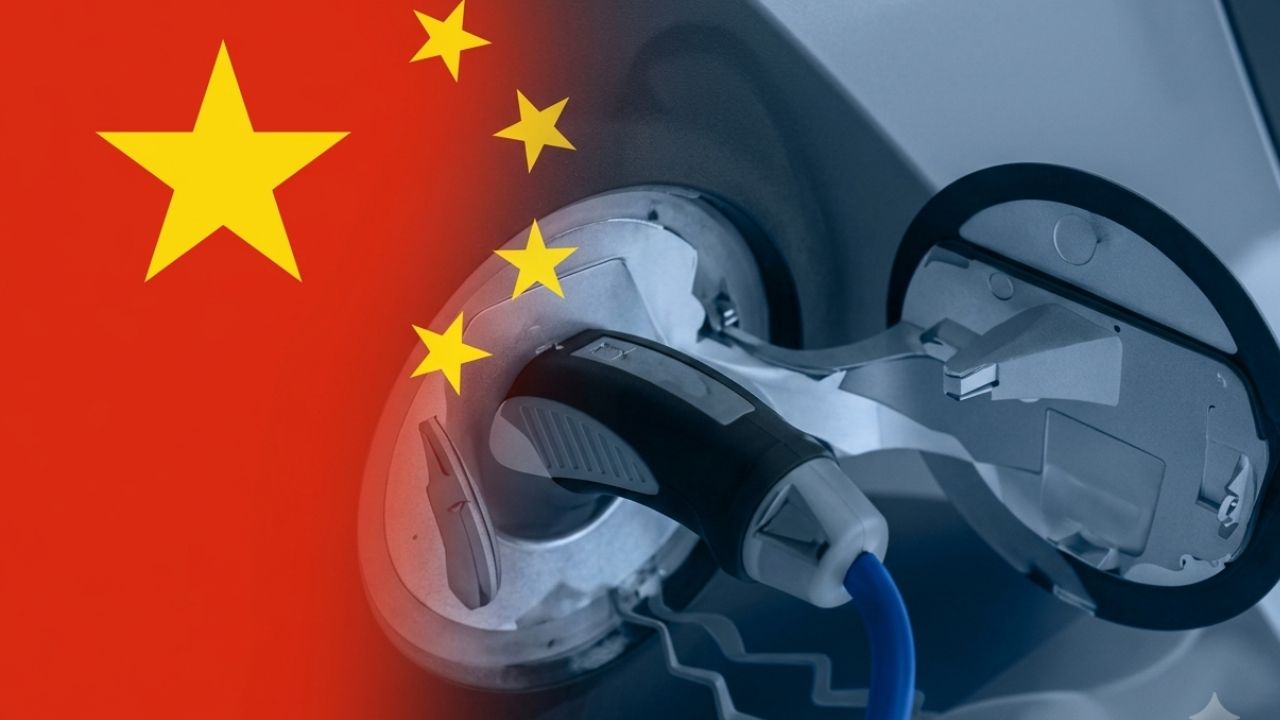
Late last week, Bounce, the scooter-rental startup, launched an electric two-wheeler called Bounce Infinity. In a sea of excitement around the potential of electric vehicles in solving for clean personal mobility, the Infinity stands out for two reasons. One, Bounce is going to manufacture these scooters themselves. They’ve never done this before. Two, a major plank of the company’s sales strategy hinges on the battery swap model, where potential buyers can purchase the vehicle without a battery and keep swapping them out for freshly charged ones at Bounce stations.
Price is Bounce’s key strategy. You can buy the whole scooter, …

India’s grocery and food delivery platforms are increasingly displaying misleading images of food using artificial intelligence, defeating the very purpose of buying online.
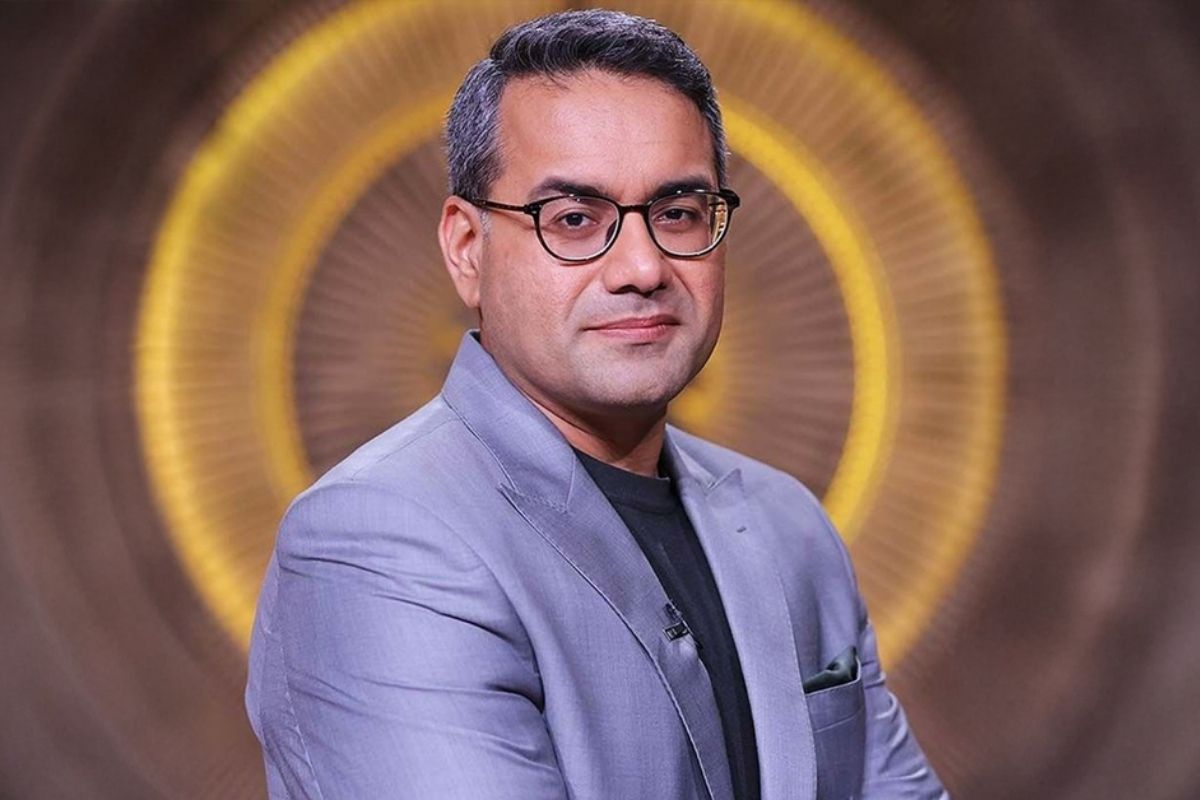
Parent AceVector is headed for a public market debut next week. As much as 97% of its revenue comes from two businesses. One is already a listed entity, the other a missed opportunity.
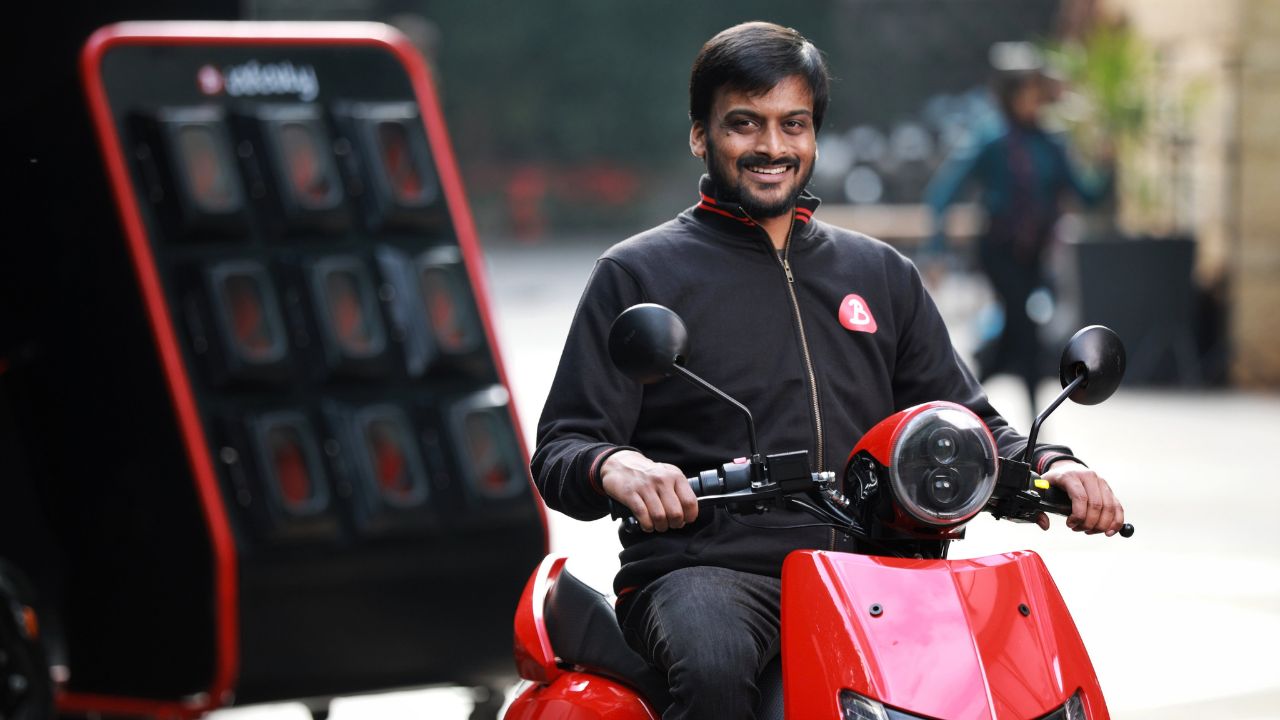
The EV maker is turning to gig-worker rentals to absorb its scooter output. But questions on cost, competition and execution make its latest pivot uncertain.