/
•
•
Detailed stories on technology startups, business and economic current affairs.
The Bengaluru-based ridesharing company is rewriting a new playbook with electric vehicles. It could work or fail spectacularly.



That Bounce hasn’t already gone out of business is God’s eighth-day miracle.
Before the pandemic struck, the company’s yellow and red bikes were everywhere in Bengaluru. People took a fancy to the quirky scooters to travel short distances and discarded them once they were done. For a generation raised on use and discard, Bounce fit like a hand in a glove. Two years into business, Bounce was clocking 100,000 trips in the city every day. A fleet of 18,000-20,000 scooters being used by at least six people everyday.
Enthused by their immediate success, Bounce’s co-founders pitched the company with a …

India’s grocery and food delivery platforms are increasingly displaying misleading images of food using artificial intelligence, defeating the very purpose of buying online.

Parent AceVector is headed for a public market debut next week. As much as 97% of its revenue comes from two businesses. One is already a listed entity, the other a missed opportunity.
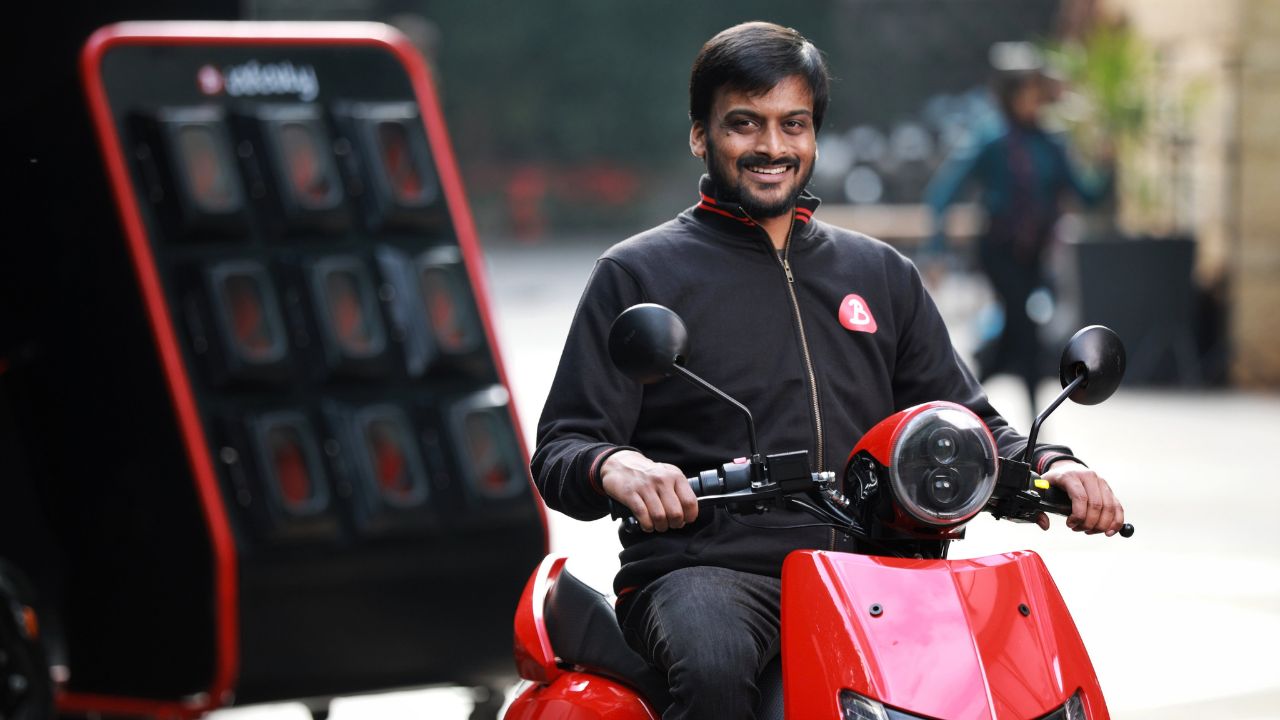
The EV maker is turning to gig-worker rentals to absorb its scooter output. But questions on cost, competition and execution make its latest pivot uncertain.