/
•
•
Detailed stories on technology startups, business and economic current affairs.
India’s largest edtech company continues to face challenging business circumstances.




The wheels are slowly coming off Byju’s growth story. The Morning Context has learnt that India’s largest edtech company, which is valued at $22 billion, hasn’t paid several of its vendors for months. Some of the payments are due since March and there is trouble with their clearance. In the eight months to October 2022, cumulative dues to vendors have crossed Rs 90 crore.
The Bengaluru-based company, for instance, owes Amazon Web Services more than Rs 26 crore, including GST, for its services. It also owes more than Rs 20 crore each to messaging platform Gupshup and the real-time engagement …

The UAE is looking at its first public listing of the year while Egypt just delivered a big one; OpenAI’s bugging accused has ties to Saudi Arabia; and other updates from the week.
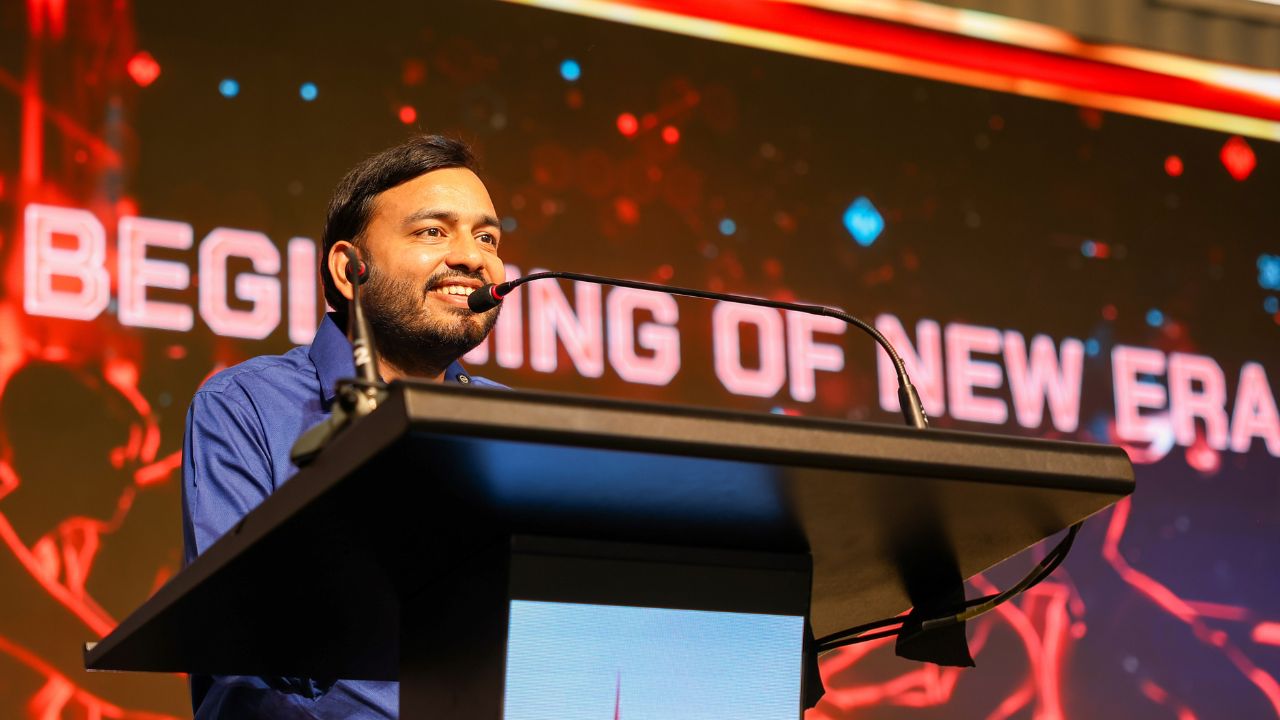
Physics Wallah’s desperate pursuit of growth has led to another bold announcement. The latest move centres around one of India’s most competitive test-prep pockets.

The Walmart-owned e-commerce company has entered microdramas and food delivery. Is it thinking long-term or just chasing a trend?