/
•
•
Detailed stories on technology startups, business and economic current affairs.
As the core test-prep business of India’s second-largest edtech firm slows, its CEO begins chasing new ideas for a turnaround.




When Unacademy transitioned from being a YouTube channel to a company in 2015, it looked like it was onto something big. The idea was simple: Bring together millions of students preparing for competitive exams across the country on one digital platform. It tasted success almost immediately. Gaurav Munjal, the co-founder and CEO who was still a few summers away from turning 30, had disrupted, even streamlined to an extent, one of the most fragmented industries in India.
Fast forward to 2022, and that idea looks far from reaching fruition. Growth engines have lost steam. Sections of edtech are shrinking faster …
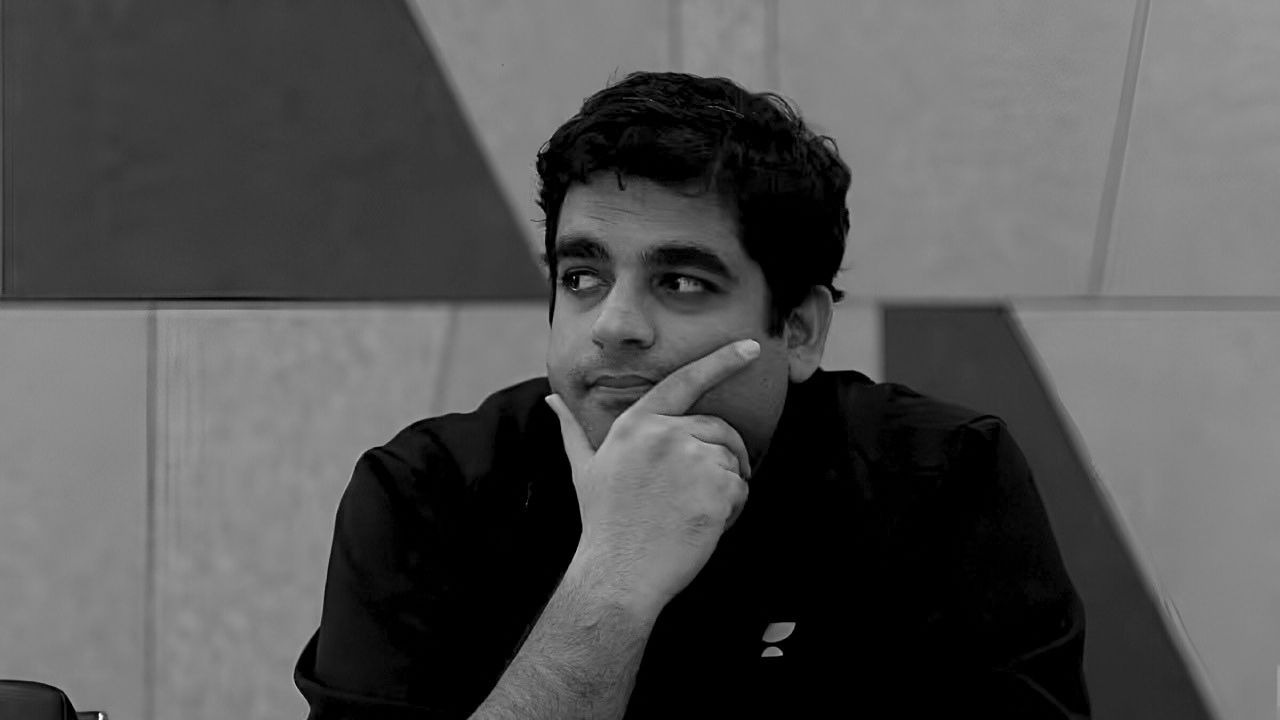
Believing education is the key to success, Unacademy raised $880 million and reached a $3.4 billion valuation, only to crash 90%. Its co-founder and CEO gets candid about the state of the startup and Indian edtech.
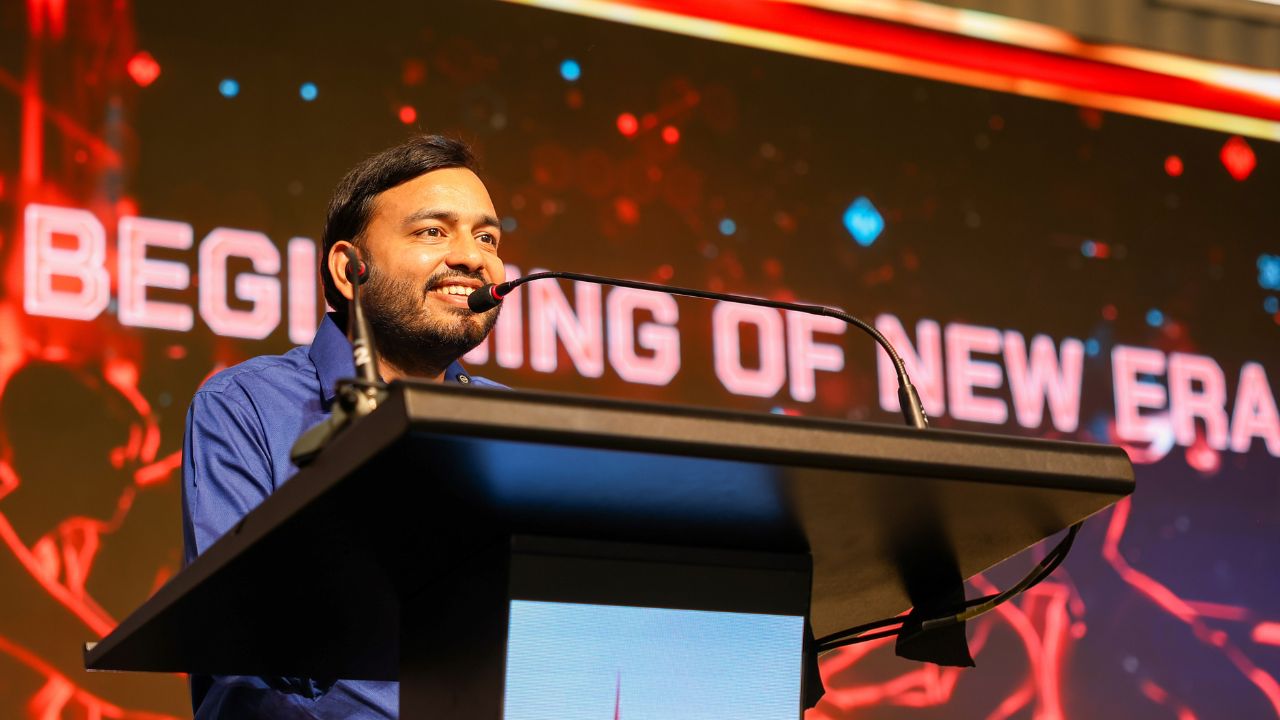
Physics Wallah’s desperate pursuit of growth has led to another bold announcement. The latest move centres around one of India’s most competitive test-prep pockets.

The Walmart-owned e-commerce company has entered microdramas and food delivery. Is it thinking long-term or just chasing a trend?