/
•
•
Detailed stories on technology startups, business and economic current affairs.
India’s neighbourhood shops withstood organized retail and e-commerce, but quick commerce’s speed and shifting consumer behaviour might finally break their resilience.




“He used to work for us,” S says wryly as a delivery rider zips past his shop. As he arranges packets of detergent that fewer people now come to buy, the irony isn’t lost on him.
S, 28, is a second-generation kirana shop owner in Greater Noida, outside Delhi. His father, now 58, opened the shop about 20 years ago to supplement his income from a small pocket of agricultural land. For two decades, this was enough. Today, their business is fighting for survival against an unlikely competitor: your smartphone.
“People have become lazier,” says S, sipping his tea. “Why …
The contrasting approaches are driven by two very different strategies. One wants to capture more markets; the other is focused on discipline and profits.
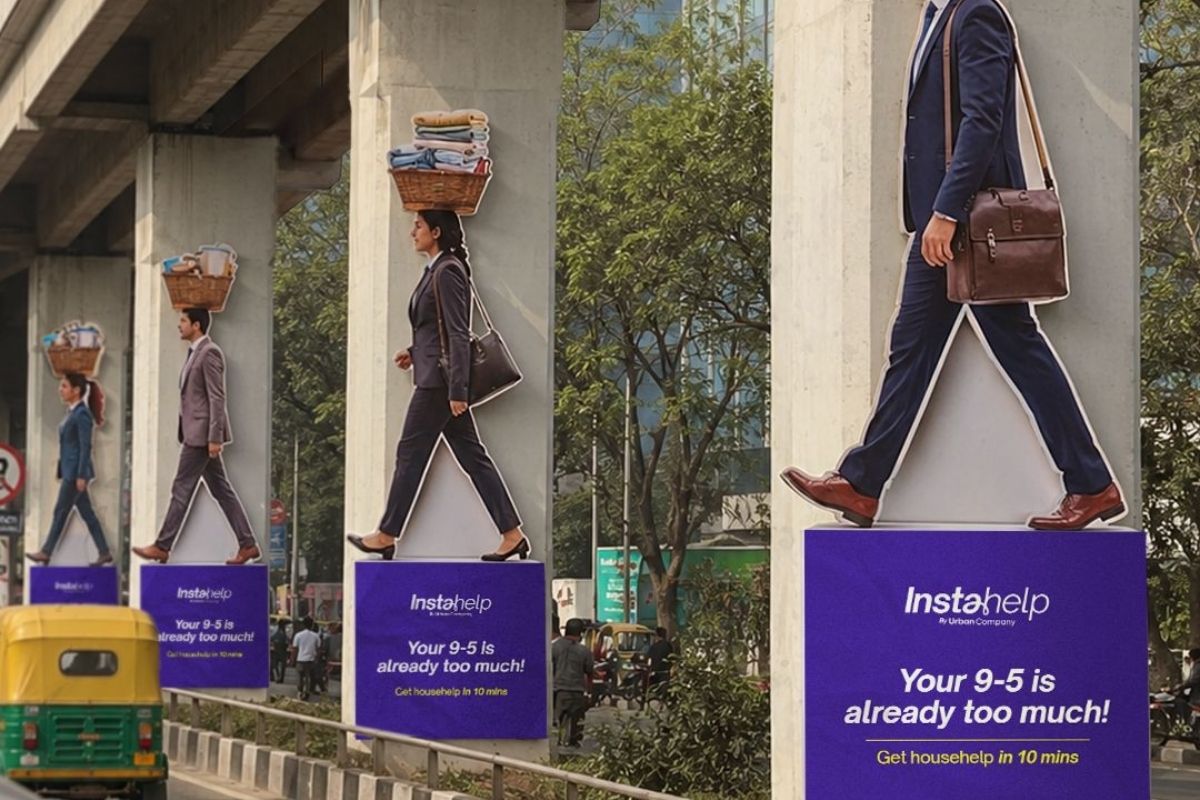
The instant house help business has become the centre of focus and investment at the home services company. But another fight may be brewing in its core business.

India’s grocery and food delivery platforms are increasingly displaying misleading images of food using artificial intelligence, defeating the very purpose of buying online.