/
•
•
Detailed stories on technology startups, business and economic current affairs.
It is tough but not impossible to put a respectable end to a failed business. As creditors fight for their dues, Dunzo’s investors and management have a lot to answer for.




The death knell has been sounded for Dunzo.
On 13 January, the website and app of the Bengaluru-based hyperlocal delivery company ceased to work. And just as rats flee a sinking ship, it would appear that most key stakeholders have also abandoned what was once a high-flying startup. Left in the lurch are hundreds of employees. The cash-strapped startup has liabilities of Rs 400-500 crore to its employees and vendors, says a former employee of Dunzo, who requested anonymity as they are still hoping for a resolution with the company.
The employees are now desperate, and rightly so. Earlier this …
The contrasting approaches are driven by two very different strategies. One wants to capture more markets; the other is focused on discipline and profits.

The instant house help business has become the centre of focus and investment at the home services company. But another fight may be brewing in its core business.
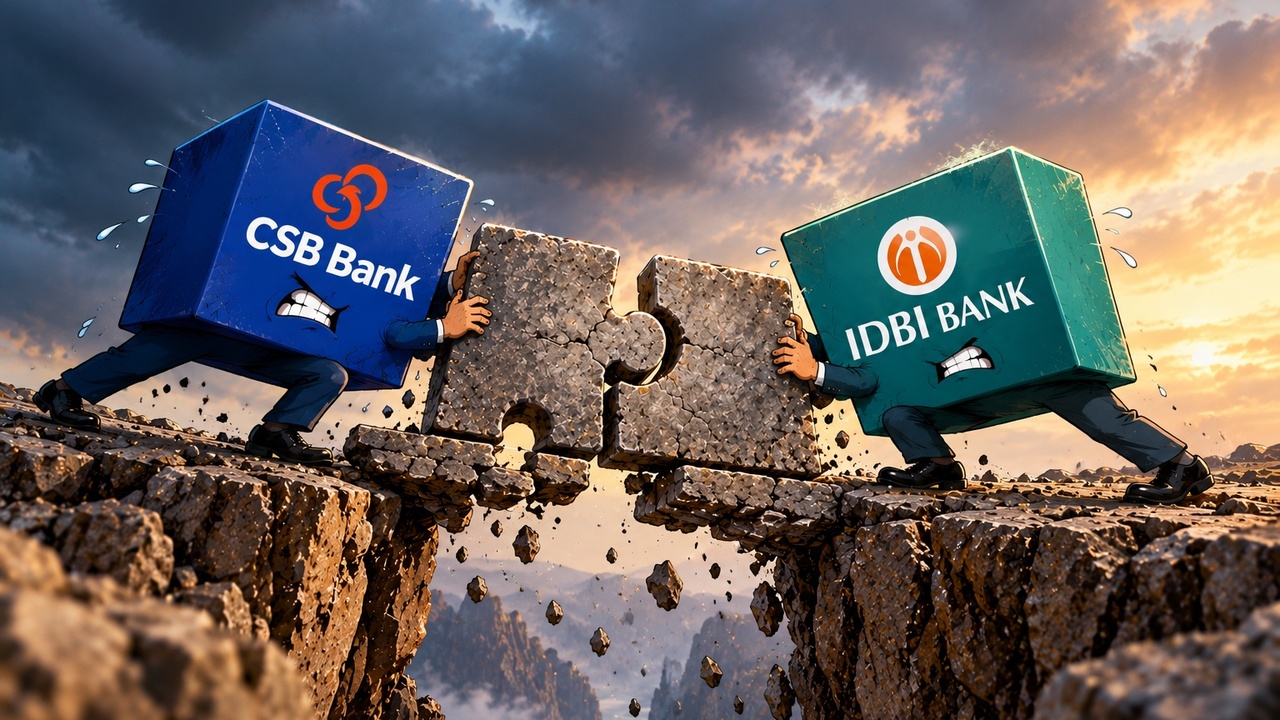
The acquisition of IDBI Bank puts his Fairfax smack dab in the middle of the RBI’s rules on bank ownership. It must now decide whether to sell CSB Bank or merge the two lenders, neither of which will be easy.