/
•
•
Detailed stories on technology startups, business and economic current affairs.
Snapchat wants to make augmented reality mainstream in India. It is educating and evangelizing, but success is far in the future.



On a cold Friday morning in Mumbai, Durgesh Kaushik settles into his chair and launches into a well-versed speech on the company’s core values. An old marketing hand, Snapchat’s India managing director comes from nearly 17 years of experience of working with the likes of Reliance Jio and Facebook. On a video call, his demeanour is as quiet as Snapchat India’s turnaround over the past three years.
In early 2019, Snapchat only had 5 million monthly active users in India, according to a person closely associated with the California-headquartered private messaging company. Late last year, the company announced it had …

India’s grocery and food delivery platforms are increasingly displaying misleading images of food using artificial intelligence, defeating the very purpose of buying online.
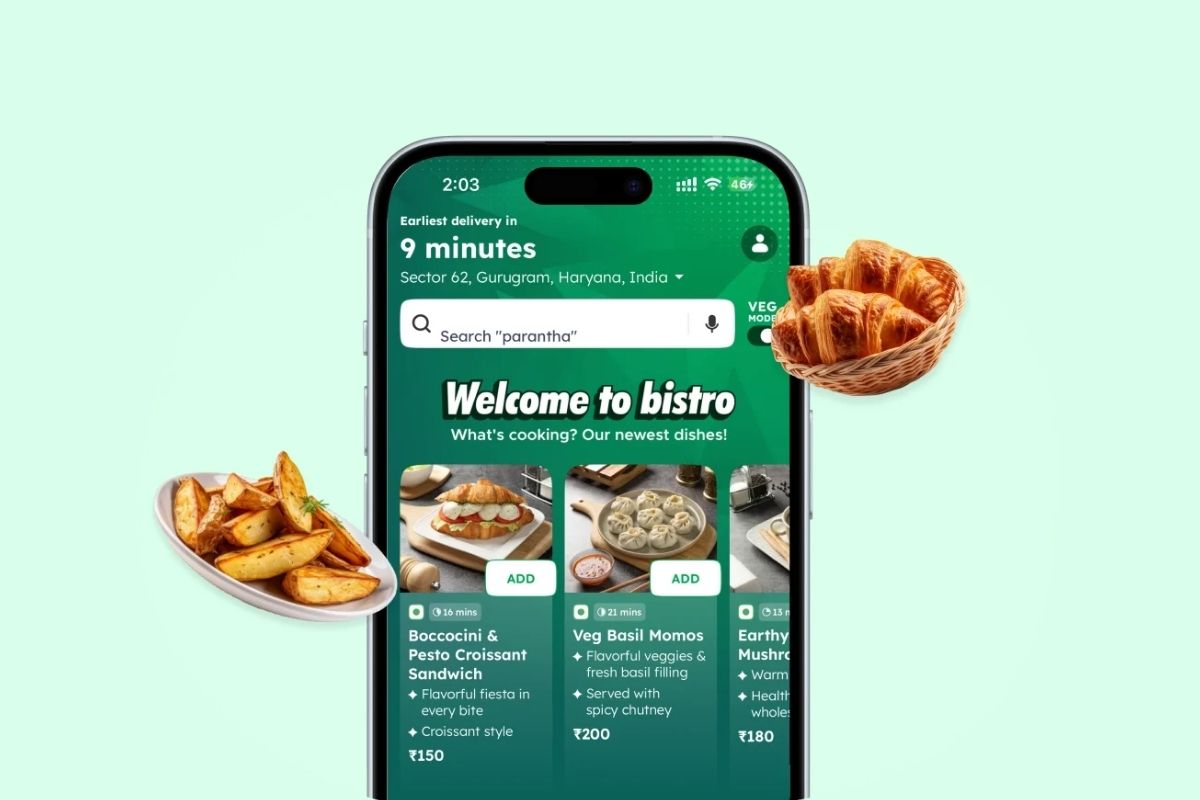
Bistro may look like a response to Swiggy and Rapido’s 'budget' food delivery apps, but the similarities end at affordability—the playbooks are fundamentally different.
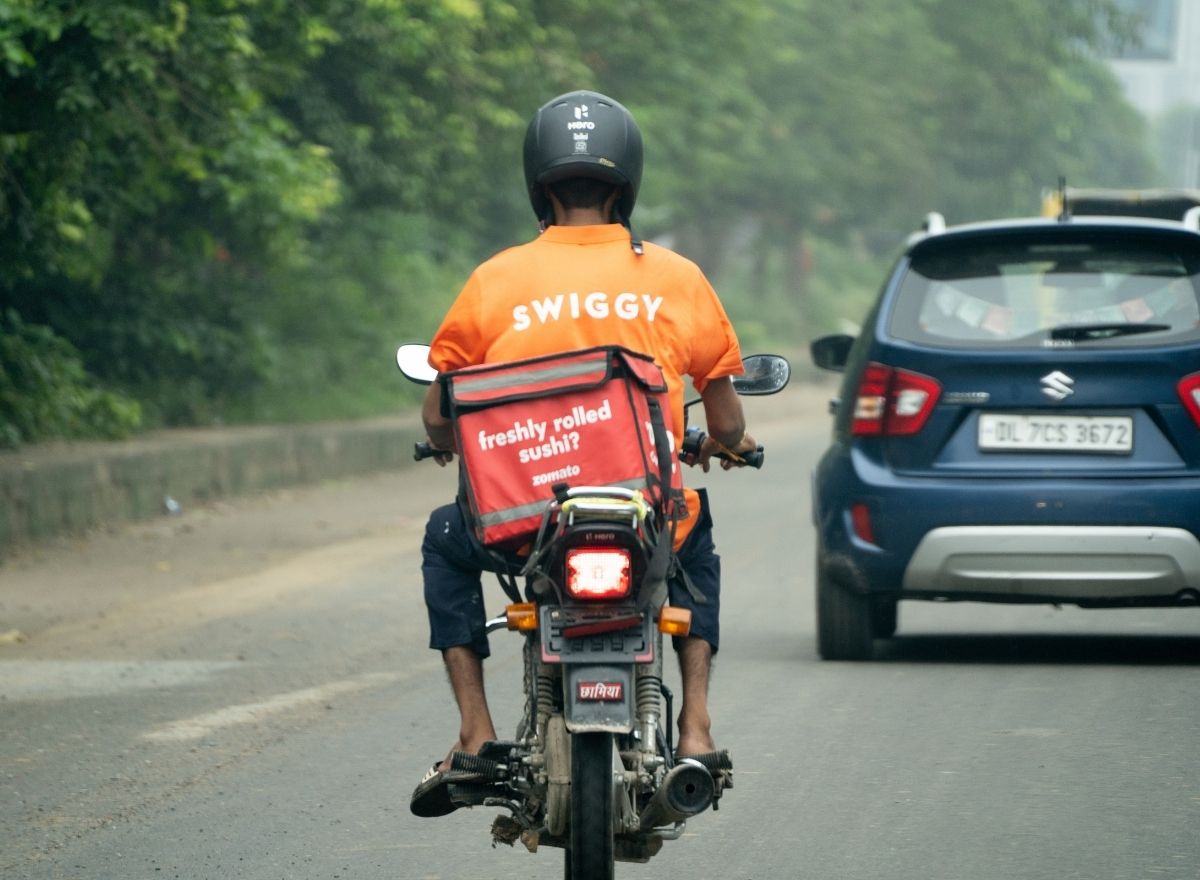
Exploitation of unskilled workers is at the heart of quick-delivery service businesses in India. They should be valued for what they are and not what they pretend to be, a trait that has taken a devious form of wanting it both ways.