/
•
•
Detailed stories on technology startups, business and economic current affairs.
We are all going to be tested. Some a lot more than others.



Editor's note: We don’t have a paywall for most of our stories on Coronavirus and its impact. Support us and subscribe here. In normal circumstances, I’d say, you only reap what you sow. Except nothing about right now is normal. We are living in unprecedented times. The coronavirus pandemic is nothing like the modern world has seen, let alone be prepared for. Its widespread impact on human life and economies around the world is bigger than the 2008 financial crisis, 9/11, the dotcom bust of the 2000s—and that’s just going back 20 years. A partner at a venture capital fund with more than $200 million in capital is scared. “Living by the hour,” he says on the phone. “Business, startups, economy, we are in real deep shit.” A conservative outlook is that the crisis isn’t going anywhere for the next three to six months. Another partner at a Mumbai-based VC firm, with more than $100 million in investment capital, said that it could take longer. “These are times where business models will be really tested,” he wrote in an email. “The recovery …

We are all going to be tested. Some a lot more than others.
Editor's note: We don’t have a paywall for most of our stories on Coronavirus and its impact. Support us and subscribe here. In normal circumstances, I’d say, you only reap what you sow. Except nothing about right now is normal. We are living in unprecedented times. The coronavirus pandemic is nothing like the modern world has seen, let alone be prepared for. Its widespread impact on human life and economies around the world is bigger than the 2008 financial crisis, 9/11, the dotcom bust of the 2000s—and that’s just going back 20 years. A partner at a venture capital fund with more than $200 million in capital is scared. “Living by the hour,” he says on the phone. “Business, startups, economy, we are in real deep shit.” A conservative outlook is that the crisis isn’t going anywhere for the next three to six months. Another partner at a Mumbai-based VC firm, with more than $100 million in investment capital, said that it could take longer. “These are times where business models will be really tested,” he wrote in an email. “The recovery …

Parent AceVector is headed for a public market debut next week. As much as 97% of its revenue comes from two businesses. One is already a listed entity, the other a missed opportunity.
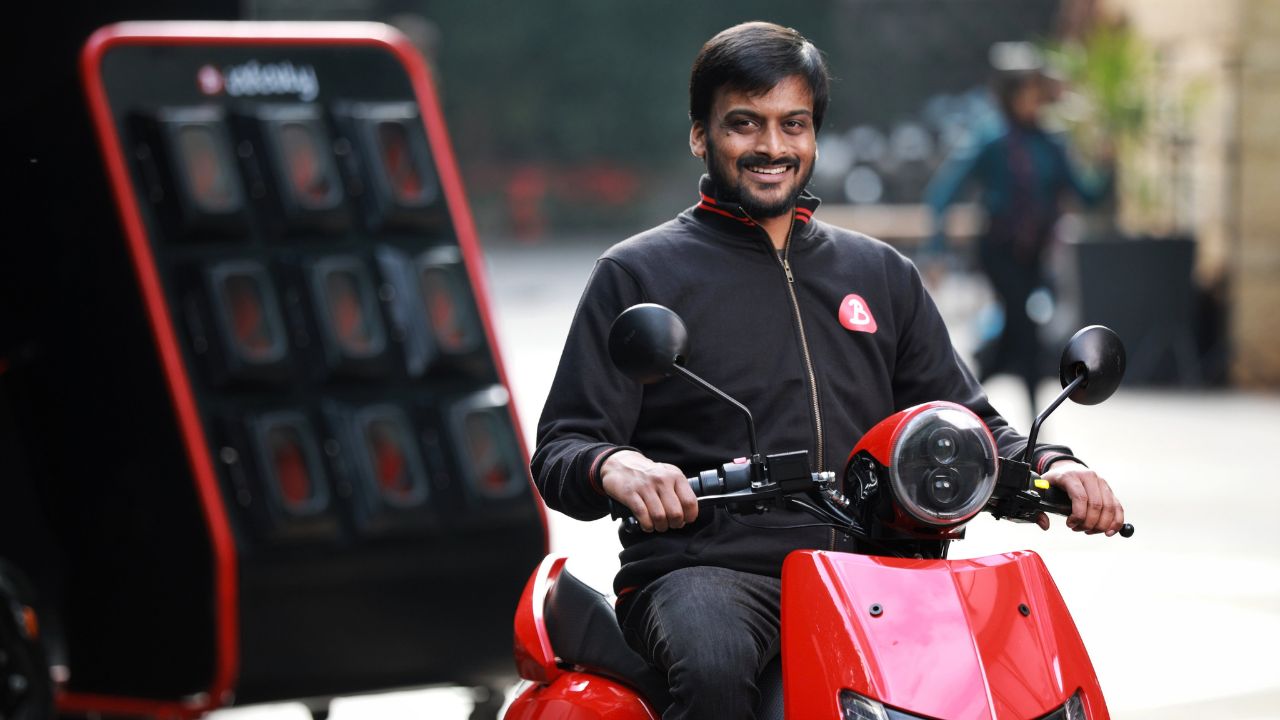
The EV maker is turning to gig-worker rentals to absorb its scooter output. But questions on cost, competition and execution make its latest pivot uncertain.

After 15 years, more than $550 million in funding and over $200 million in revenue, the cloud kitchen startup must find a way to make a profit and go public. Grover is the man Rebel has chosen for the job.
Parent AceVector is headed for a public market debut next week. As much as 97% of its revenue comes from two businesses. One is already a listed entity, the other a missed opportunity.
The EV maker is turning to gig-worker rentals to absorb its scooter output. But questions on cost, competition and execution make its latest pivot uncertain.
After 15 years, more than $550 million in funding and over $200 million in revenue, the cloud kitchen startup must find a way to make a profit and go public. Grover is the man Rebel has chosen for the job.