/
•
•
Detailed stories on technology startups, business and economic current affairs.
In the near future, both Zomato and Swiggy want to cook a lot of food themselves. It puts them in a strange predicament, and that’s just the start of their many challenges.



Earlier last week Zomato, one of India’s oldest restaurant app companies, acquired Uber Eats, Uber’s food delivery business in India. The merger of the two businesses created what is in theory India’s largest food delivery company by market share. A spot that till now was held by Zomato’s much younger, Bengaluru-based rival Swiggy.
Zomato Media Pvt. Ltd has acquired the Indian business of Uber Eats, the food delivery business of the ride-sharing giant, in an all-stock deal, adding a powerful new investor to its shareholder roster in its battle against arch-rival Swiggy for supremacy in India. Uber will get a …
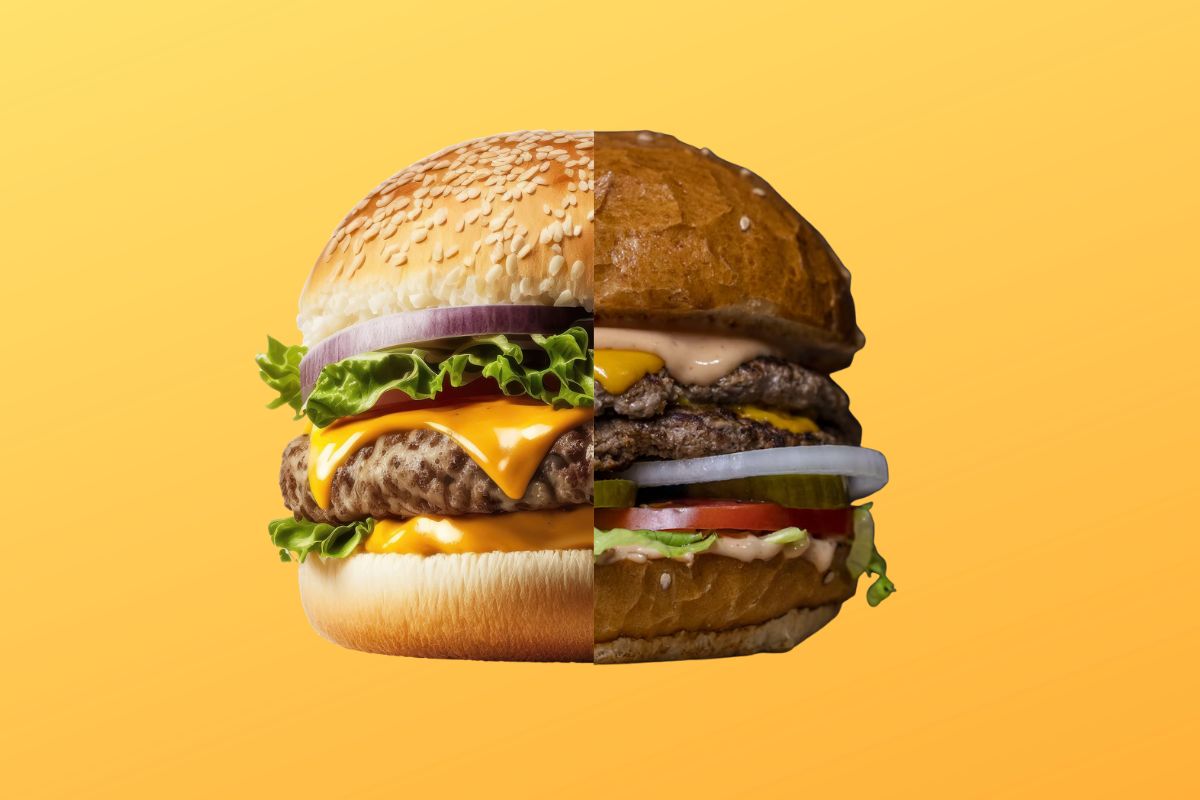
India’s grocery and food delivery platforms are increasingly displaying misleading images of food using artificial intelligence, defeating the very purpose of buying online.
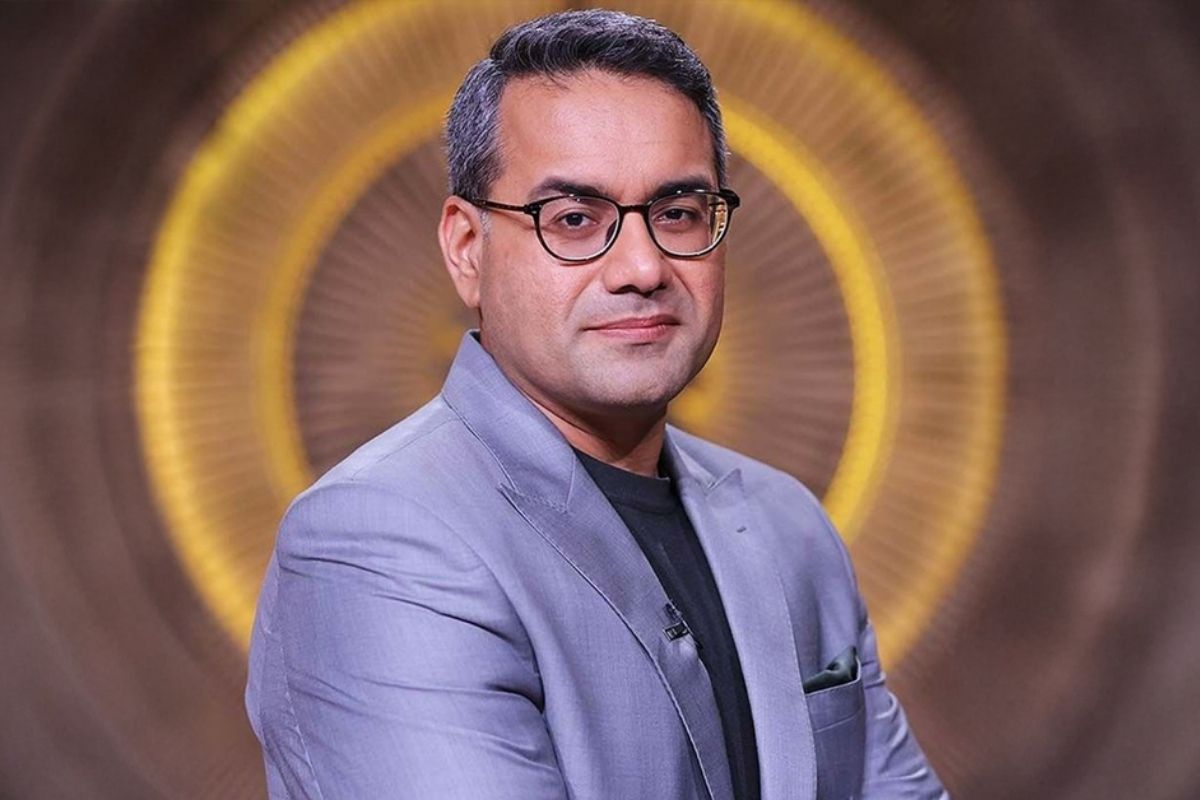
Parent AceVector is headed for a public market debut next week. As much as 97% of its revenue comes from two businesses. One is already a listed entity, the other a missed opportunity.
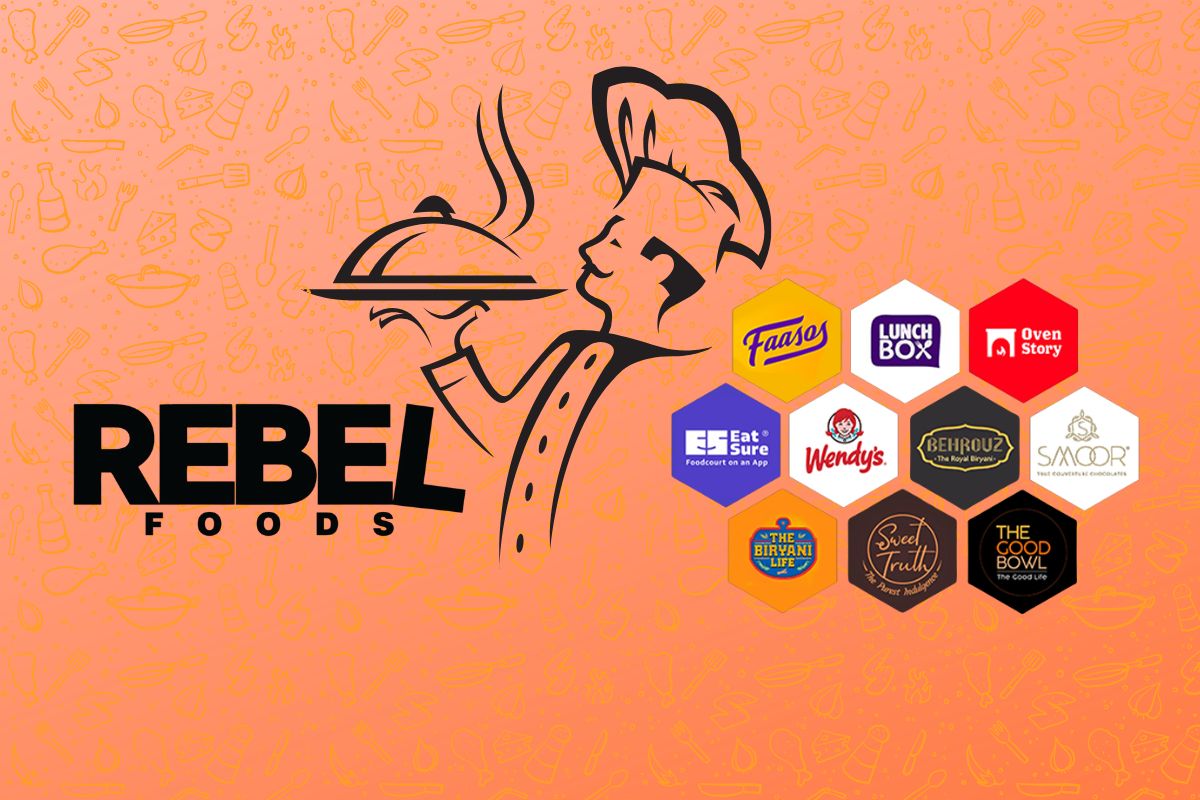
After 15 years, more than $550 million in funding and over $200 million in revenue, the cloud kitchen startup must find a way to make a profit and go public. Grover is the man Rebel has chosen for the job.