/
•
•
Detailed stories on technology startups, business and economic current affairs.
The most valuable neobank in the world has made a series of missteps over the past 15 months and run into opposition from the RBI.




Recent months have been tough for Revolut’s Russian-born British co-founder and chief executive Nikolay Storonsky. Russia’s war with Ukraine has created geopolitical hurdles for the London-based fintech startup, even as venture capital funding has dried up for technology companies across the world.
Storonsky—a former derivatives trader at Credit Suisse and Lehman Brothers—and his team has been hard at work engaging with regulators and governments across the world for digital banking licences. In an interview to Bloomberg TV last week, Storonsky identified India along with Latin America and the Philippines as geographies where Revolut has been “aggressively expanding” in recent months. …

The acquisition of IDBI Bank puts his Fairfax smack dab in the middle of the RBI’s rules on bank ownership. It must now decide whether to sell CSB Bank or merge the two lenders, neither of which will be easy.

Lenders stand to gain a lot more than borrowers in the current challenging market environment
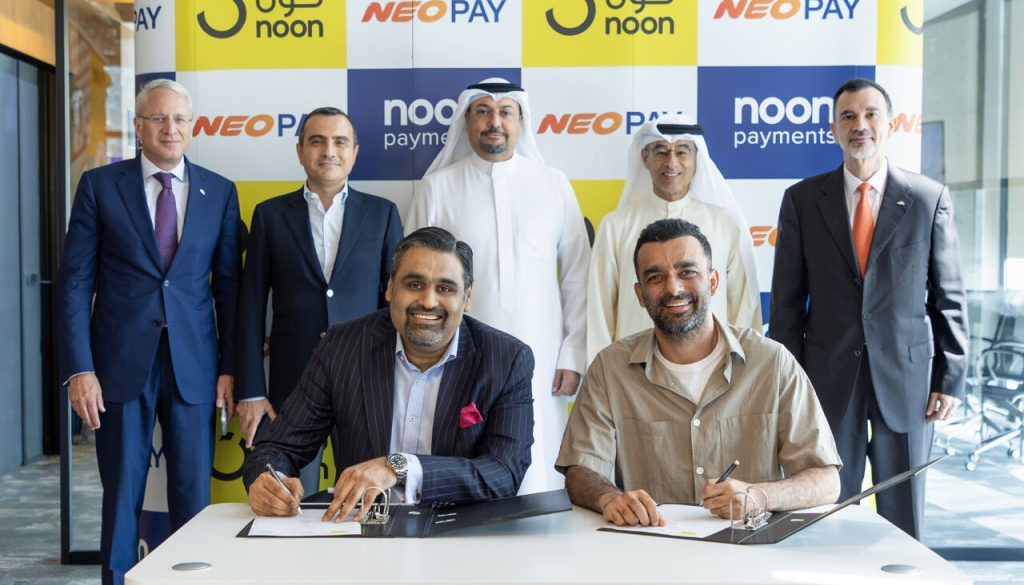
A local fintech deal to consolidate operations, feedback on Saudi Arabia’s proposed IPO rules, and Ras Al Khaimah’s casino economy.