/
•
•
Detailed stories on technology startups, business and economic current affairs.
With 10 days to go for the deadline, online transactions are expected to be hit as card networks, banks and businesses are far from ready. Will the RBI relent?




Next week when many companies across the world take a break for Christmas and New Year, the payments industry in India will be working overtime—like it has for several weeks now. Thousands of developers, product managers and engineers at the largest consumer internet firms in the country will be rewriting and testing thousands of lines of code. Founders across the ecosystem will be seeking divine intervention as the world counts down to 2022.
On 1 January 2022, a new payments regime for online card transactions will take effect; one that requires a complete overhaul of the payments value chain that …
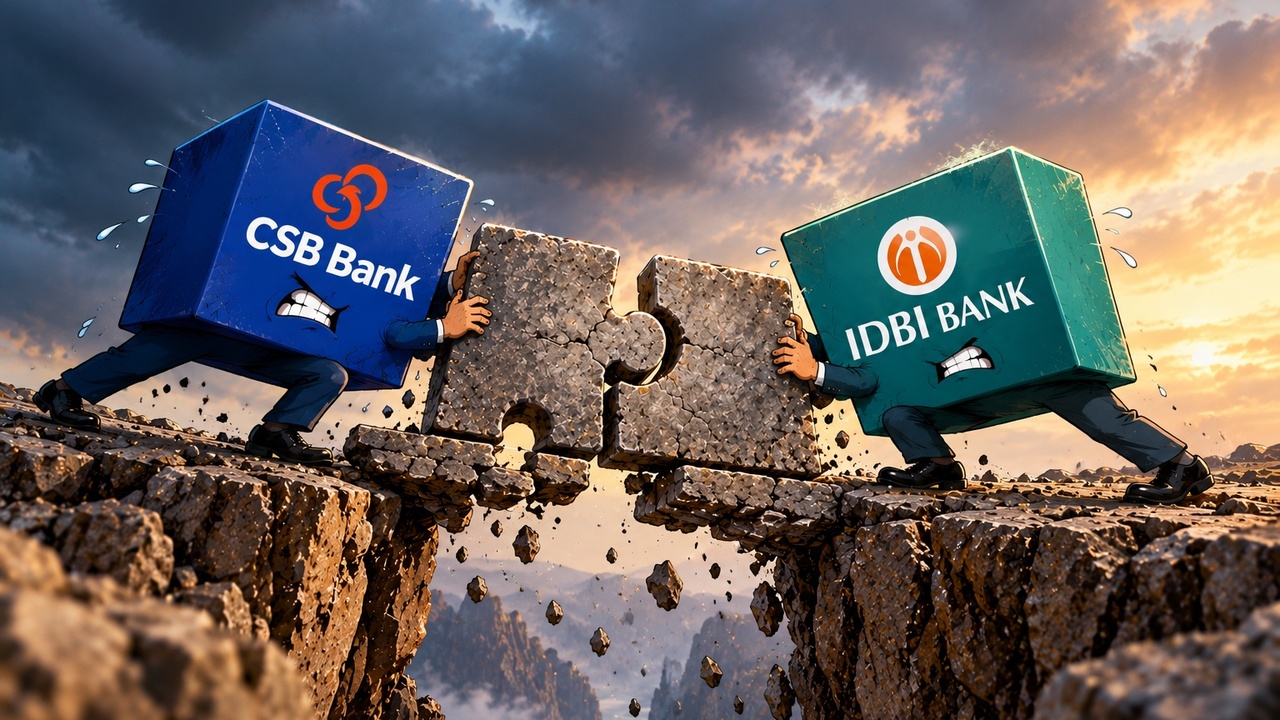
The acquisition of IDBI Bank puts his Fairfax smack dab in the middle of the RBI’s rules on bank ownership. It must now decide whether to sell CSB Bank or merge the two lenders, neither of which will be easy.

Lenders stand to gain a lot more than borrowers in the current challenging market environment

A local fintech deal to consolidate operations, feedback on Saudi Arabia’s proposed IPO rules, and Ras Al Khaimah’s casino economy.