/
•
•
Detailed stories on technology startups, business and economic current affairs.
The two interior design startups have starkly different financials, but each has its own challenges as the pressure to break even grows.



Editor's note: From trucking to clothes, one of the more popular pitches in Indian business is to take a huge unorganized market and build a company (preferably digital in some way) that offers a consistent experience and brand. The idea goes that even capturing a tenth of such a market will make for a sizeable operation. About nine years ago, two startups popped up betting that this approach could be applied to interior design—a classic unorganized market, with clients finding designers, architects and carpenters largely through word of mouth and local networks. And as the urban middle class and upper middle class has grown over the past decade or two, the demand for home interior work has only risen. Companies like Livspace and HomeLane have opportunely gained from this shift. Founded around the same time, their strategies were also the same for most of the past nine years—partnering independent interior designers and selling to homebuyers. But the contrast in how the two businesses are run is stark, which is nowhere better represented than in their earnings. For the fiscal year ended 31 …

The two interior design startups have starkly different financials, but each has its own challenges as the pressure to break even grows.
Editor's note: From trucking to clothes, one of the more popular pitches in Indian business is to take a huge unorganized market and build a company (preferably digital in some way) that offers a consistent experience and brand. The idea goes that even capturing a tenth of such a market will make for a sizeable operation. About nine years ago, two startups popped up betting that this approach could be applied to interior design—a classic unorganized market, with clients finding designers, architects and carpenters largely through word of mouth and local networks. And as the urban middle class and upper middle class has grown over the past decade or two, the demand for home interior work has only risen. Companies like Livspace and HomeLane have opportunely gained from this shift. Founded around the same time, their strategies were also the same for most of the past nine years—partnering independent interior designers and selling to homebuyers. But the contrast in how the two businesses are run is stark, which is nowhere better represented than in their earnings. For the fiscal year ended 31 …

After 15 years, more than $550 million in funding and over $200 million in revenue, the cloud kitchen startup must find a way to make a profit and go public. Grover is the man Rebel has chosen for the job.

In less than two years, the instant delivery startup that puts quality above all else has attracted marquee VC investors, earning a valuation of $255 million. How far the niche bet will take it is anybody’s guess.
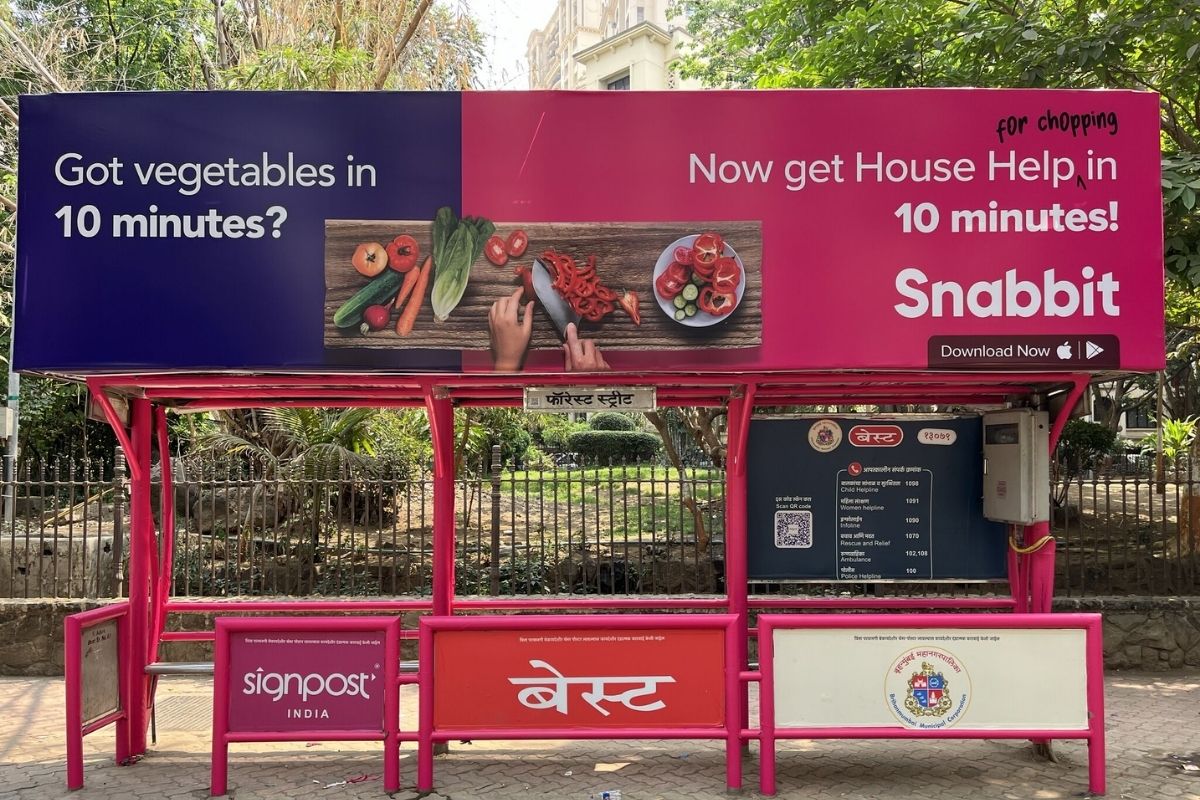
Pricing constraints and uncertain daily-use demand cast doubt on instant help’s ability to replicate quick commerce.
After 15 years, more than $550 million in funding and over $200 million in revenue, the cloud kitchen startup must find a way to make a profit and go public. Grover is the man Rebel has chosen for the job.
In less than two years, the instant delivery startup that puts quality above all else has attracted marquee VC investors, earning a valuation of $255 million. How far the niche bet will take it is anybody’s guess.
Pricing constraints and uncertain daily-use demand cast doubt on instant help’s ability to replicate quick commerce.