/
•
•
Detailed stories on technology startups, business and economic current affairs.
For 10 long years, quietly tucked away in Bengaluru, MoveInSync has been slogging to solve the problem of employee transportation.



The drudgery of going to work is a ritual as old as modern, urban life itself. Seen purely from the lens of mobility, human beings have come a long way in the last few hundred years. From horses to carriages to rail to a whole host of inventions aspiring to meet the ever-increasing comforts of the personal office-goer. In India, Ola and Uber and a host of lesser known startups covering pretty much all modes of transport—from buses to two-wheelers—are trying to solve the problem of getting people from point A to B.
A man like Deepesh Agarwal, however, thinks …

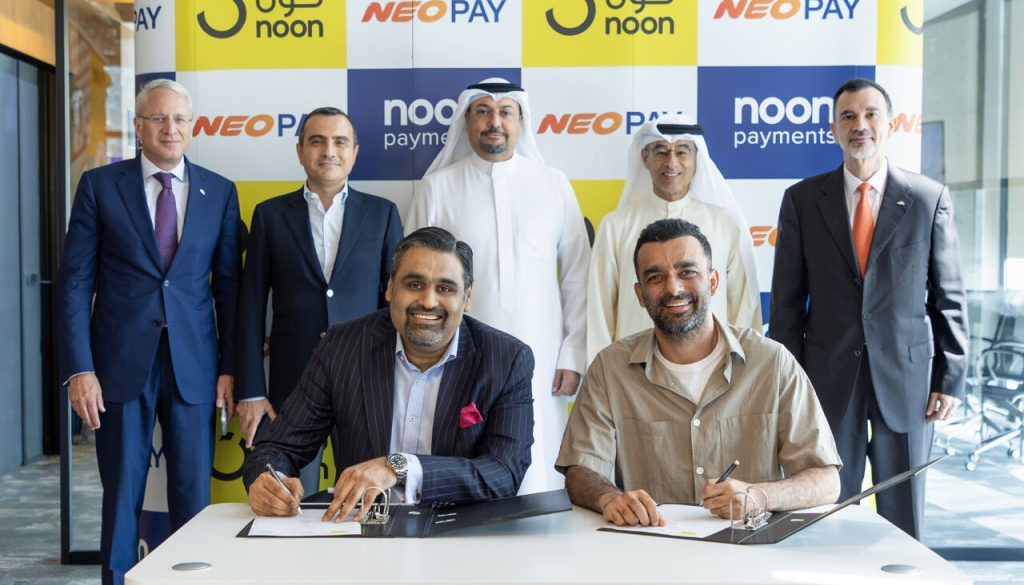
The UAE is looking at its first public listing of the year while Egypt just delivered a big one; OpenAI’s bugging accused has ties to Saudi Arabia; and other updates from the week.
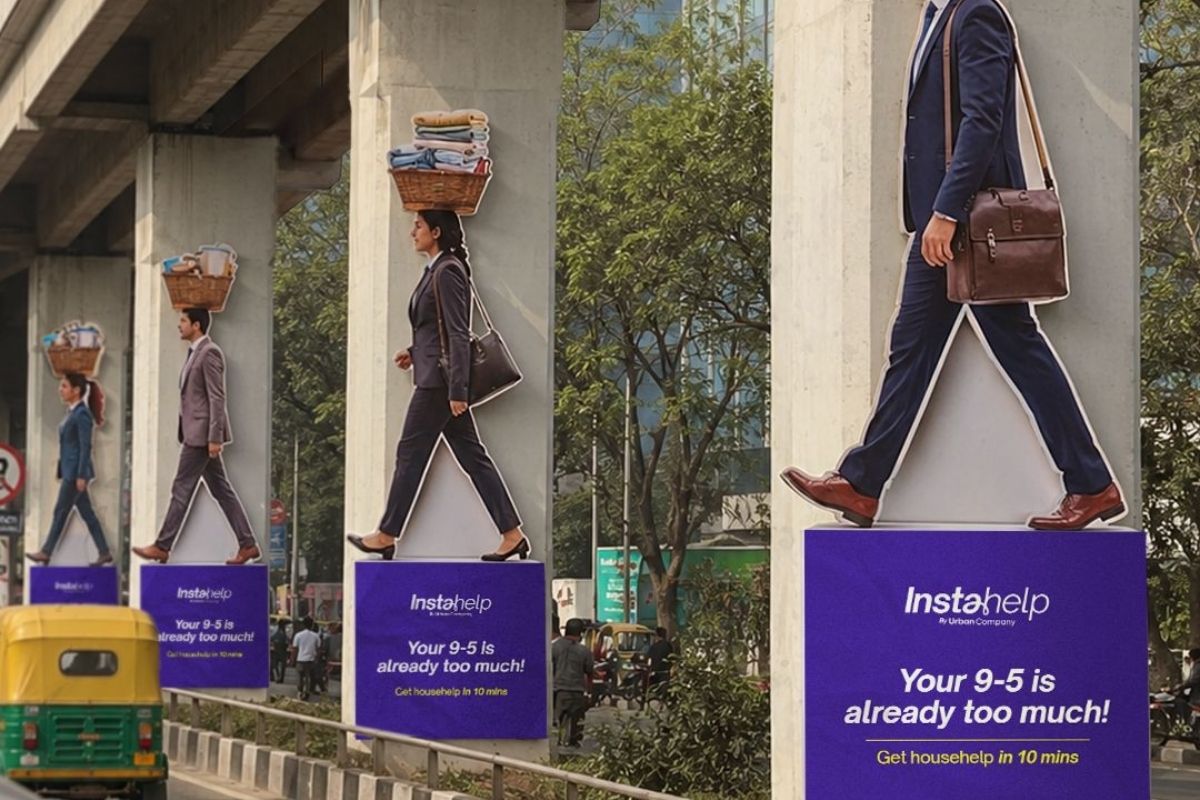
The instant house help business has become the centre of focus and investment at the home services company. But another fight may be brewing in its core business.

India’s grocery and food delivery platforms are increasingly displaying misleading images of food using artificial intelligence, defeating the very purpose of buying online.