/
•
•
Detailed stories on technology startups, business and economic current affairs.
The unicorn succeeded in its wallet business because its mission was to replace cash. The current organization is rudderless.




Vijay Shekhar Sharma, Paytm’s founder, and CEO carries his company’s pitch deck with him at all times. Depending on whether you are an admirer or a critic, and whether Sharma takes an interest in you, he’s quick to pull out the deck on his phone and put on the charm offensive.
Paytm is rocking, he says, almost always. Gold, mutual funds, bus bookings, flights—Paytm is killing the competition. Sharma laces his frothy body language with easy to remember punchlines like “you won’t believe our numbers” and throws in reference terms like “we are No. 1” and “we were the pioneers …
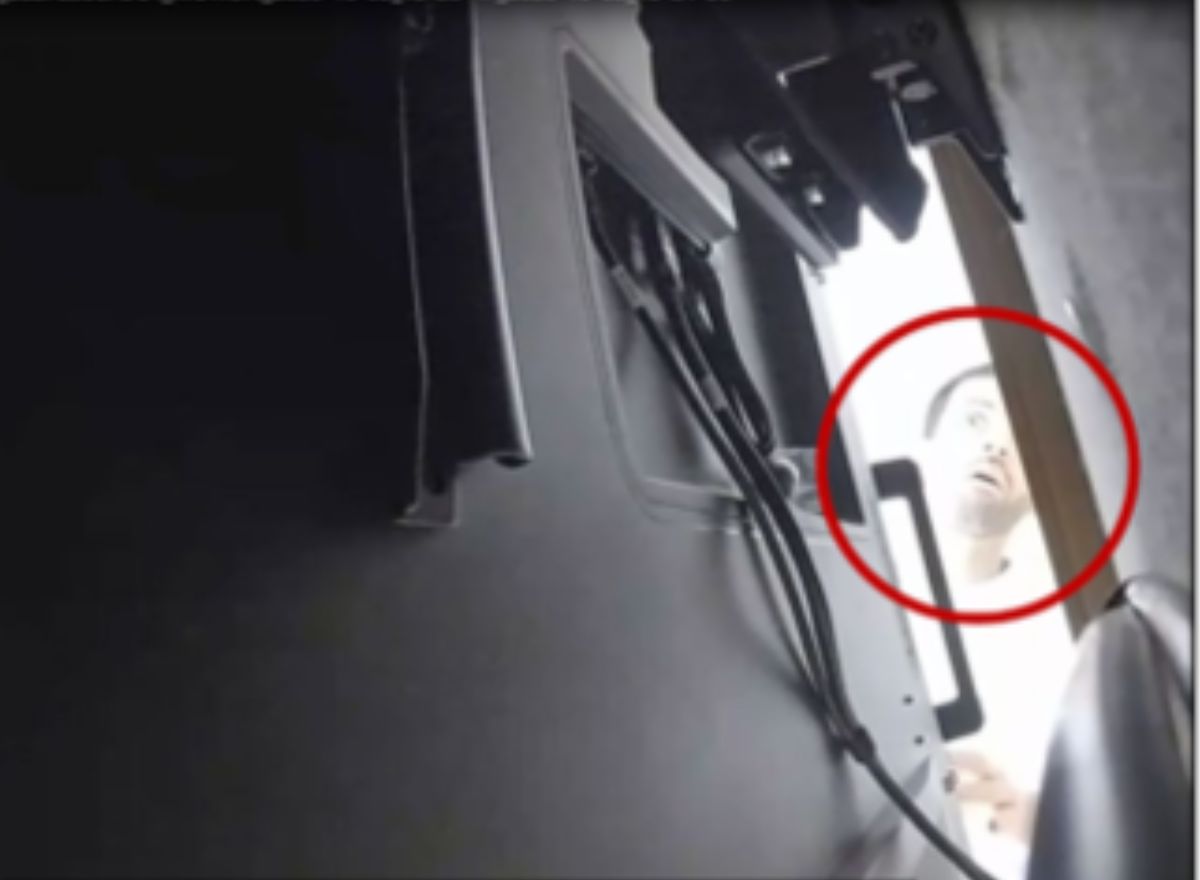
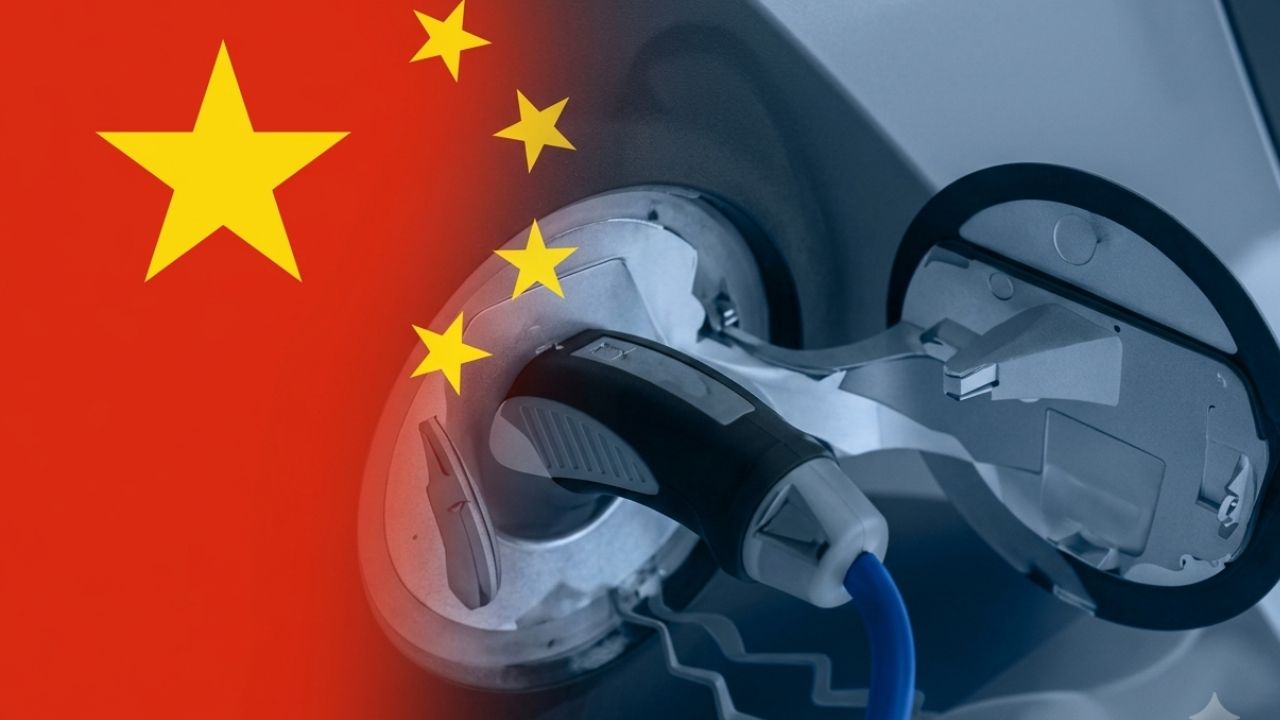
The arrest and charges against an employee of the artificial intelligence company, fewer early-stage VC deals, and other updates.
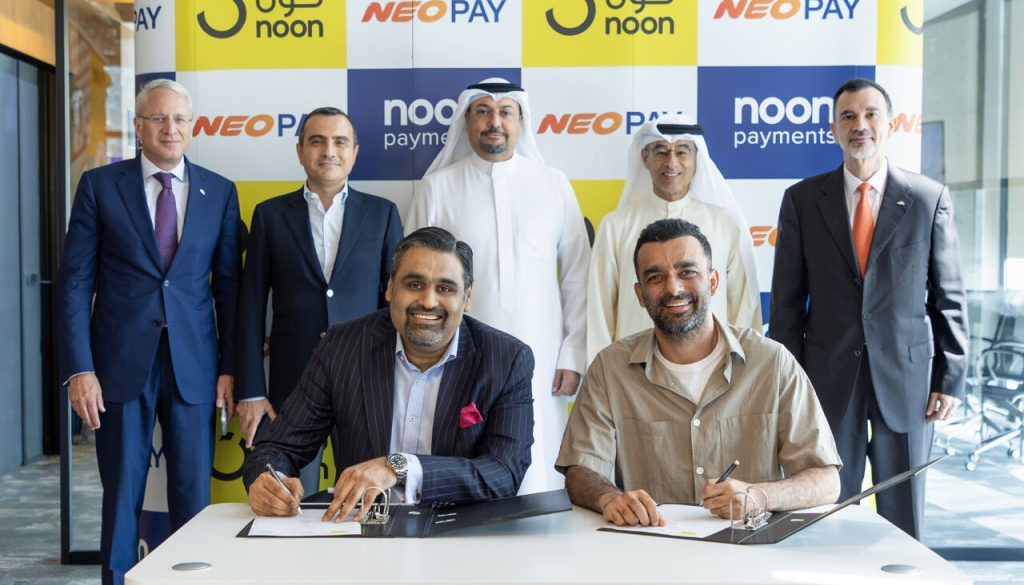
A local fintech deal to consolidate operations, feedback on Saudi Arabia’s proposed IPO rules, and Ras Al Khaimah’s casino economy.
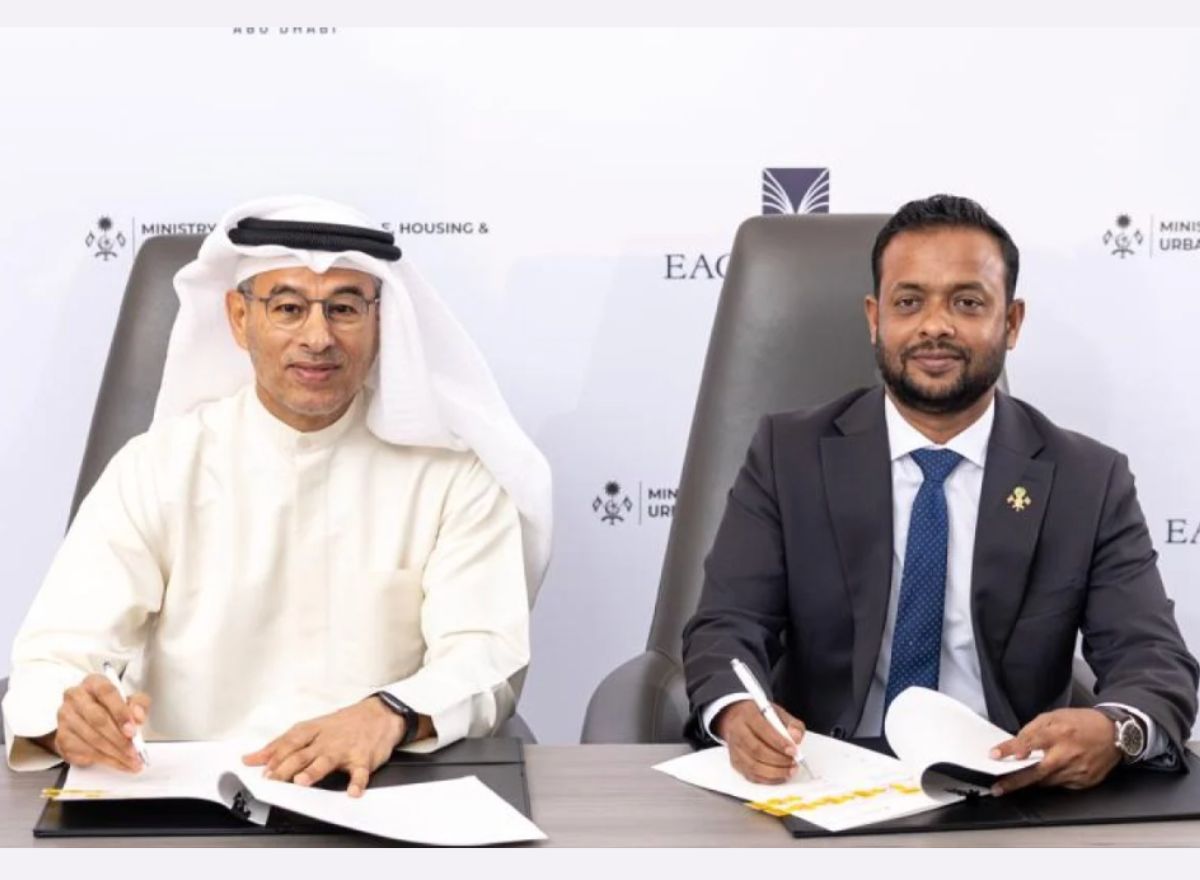
Billionaire Mohamed Alabbar goes for the Indian Ocean archipelago, India’s PhonePe gets UAE approval, and other updates from the week.