/
•
•
Detailed stories on technology startups, business and economic current affairs.
The central bank is worried about banks not doing enough to boost their market share vis-a-vis fintechs, but there is little incentive for private sector lenders to up their UPI game.




Reserve Bank of India deputy governor T. Rabi Sankar recently said at a conference hosted by the Indian Banks’ Association that banks have conceded the Unified Payments Interface market to a handful of fintech firms.
“How is it that a system of transactions between two bank accounts has evolved in a way that most businesses are owned by non-banks? Clearly, banks have missed a step here.” The Times of India quoted Sankar as saying. “Probably the feeling that small-value transactions are an insignificant business to put your resources into.”
Interestingly, his comments came soon after the National Payments Corporation of …

Lenders stand to gain a lot more than borrowers in the current challenging market environment
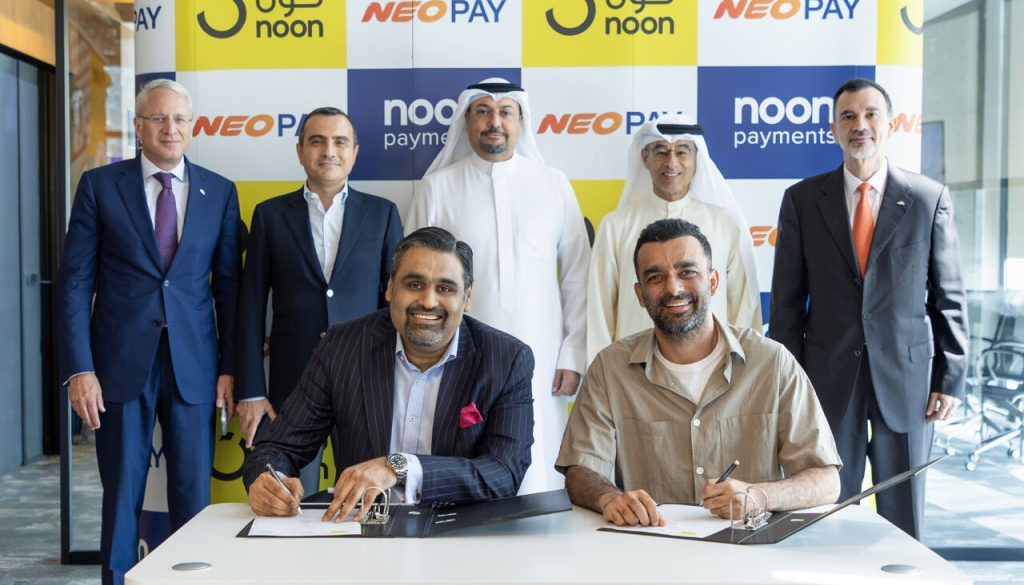
A local fintech deal to consolidate operations, feedback on Saudi Arabia’s proposed IPO rules, and Ras Al Khaimah’s casino economy.

Billionaire Mohamed Alabbar goes for the Indian Ocean archipelago, India’s PhonePe gets UAE approval, and other updates from the week.