/
•
•
Detailed stories on technology startups, business and economic current affairs.
It is no secret that the two companies have been talking for forever now. But they just might have waited too long



There shouldn’t be any ambiguity about this. This story in particular is an exploration on the subject of consolidation, which for the most part has been playing out in India’s foodtech business.
For almost the whole of last year, there have been constant rumours and reports of constant conversations between Zomato, one of the oldest foodtech companies in India, going back almost a decade, and Swiggy, the Bengaluru-based delivery startup, which for the last five years or so has been the country’s most promising food delivery company.
For those of you who haven’t kept up with the sector, let’s sum …
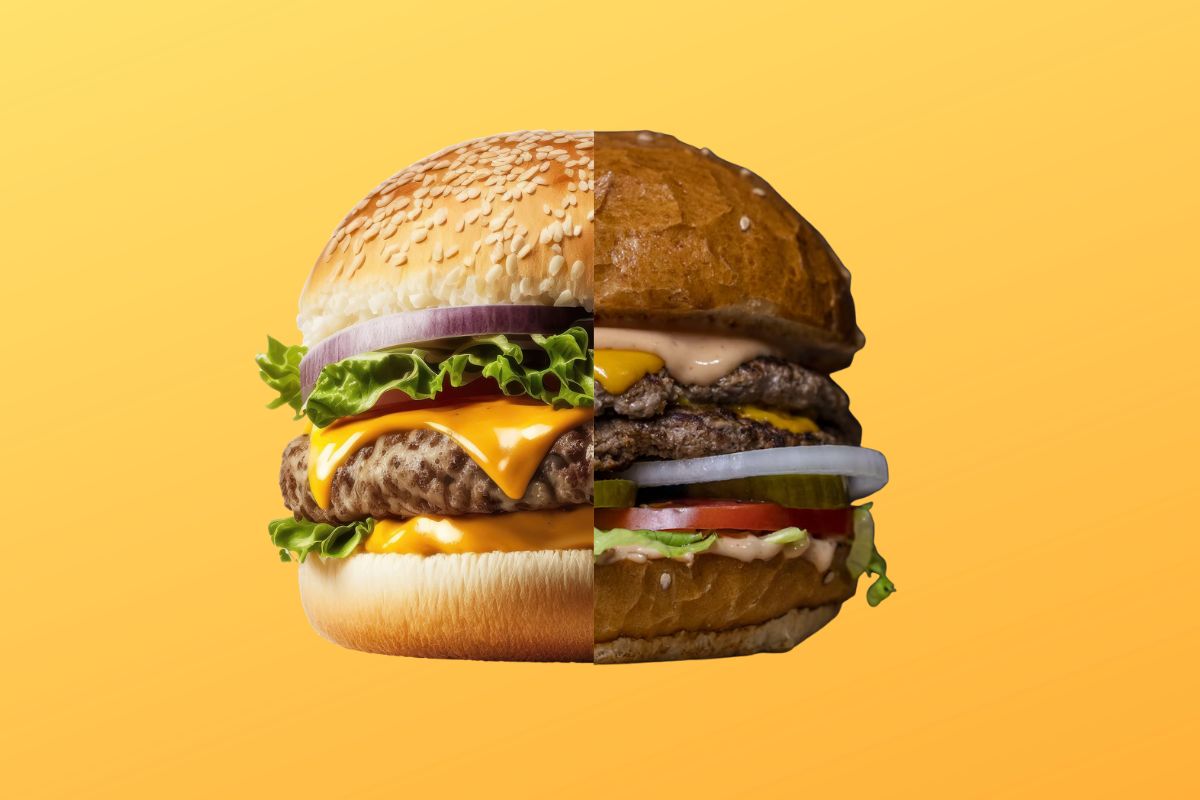
India’s grocery and food delivery platforms are increasingly displaying misleading images of food using artificial intelligence, defeating the very purpose of buying online.
Parent AceVector is headed for a public market debut next week. As much as 97% of its revenue comes from two businesses. One is already a listed entity, the other a missed opportunity.
After 15 years, more than $550 million in funding and over $200 million in revenue, the cloud kitchen startup must find a way to make a profit and go public. Grover is the man Rebel has chosen for the job.