/
•
•
Detailed stories on technology startups, business and economic current affairs.
No comeback story can gloss over Snapdeal’s failure. But as human beings and entrepreneurs, we must learn from the mistakes of others.



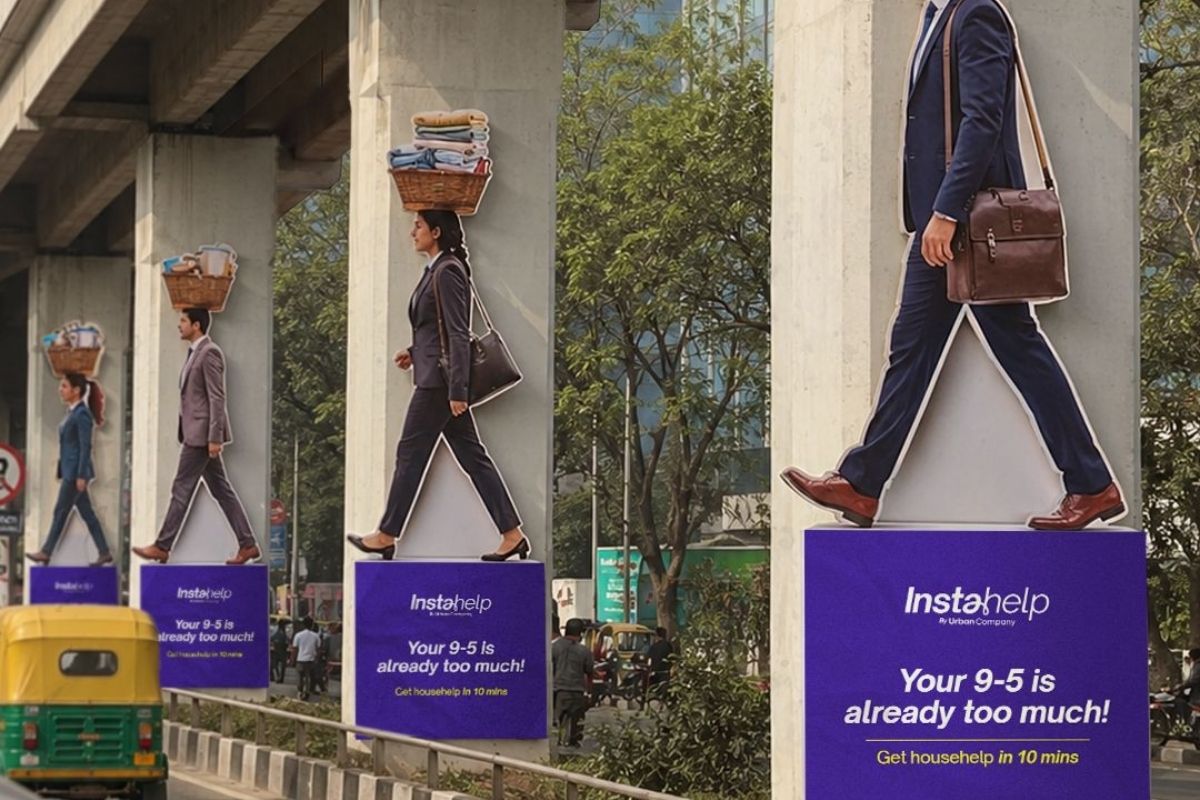
Who doesn’t like a good comeback? There is an almost magical quality to it, captivating audiences, cheering for the down-and-out underdog, thus briefly inverting the survival of the fittest world. The recent Ashes Test victory of England over Australia qualifies as a once-in-a-generation comeback, unfolding in a matter of days. Some, like the boxing legend Muhammad Ali’s three world heavyweight titles, come with multiple highs and lows stretched over decades.
However, there is a reason that comebacks are usually restricted to the sporting arena—in businesses, a “comeback” betrays an unwanted and maybe an unwarranted failure.
Also, a comeback of what? …
Parent AceVector is headed for a public market debut next week. As much as 97% of its revenue comes from two businesses. One is already a listed entity, the other a missed opportunity.

The Walmart-owned e-commerce company has entered microdramas and food delivery. Is it thinking long-term or just chasing a trend?
A churn in venture capital collides with the fear of missing the AI wave, while the Ajay Singh-led airline’s recurring crises raise deeper questions.