/
•
•
Detailed stories on technology startups, business and economic current affairs.
The race is on to reshape India’s digital payments landscape. Who’s in the fray, and why?




On 19 August, the Reserve Bank of India released its final guidelines allowing companies to apply for licences to operate payment systems. In the three weeks since, the digital payments market has gone from pandemic lockdown mode to frenzied activity.
Going by accounts from multiple industry executives, several payments and financial companies have actively started exploring this new game and some are even in serious partnership talks with domestic and global players. Interest has been simmering since RBI first announced in February that it would allow the creation of new entities to manage pan-India payments networks (which we wrote about …
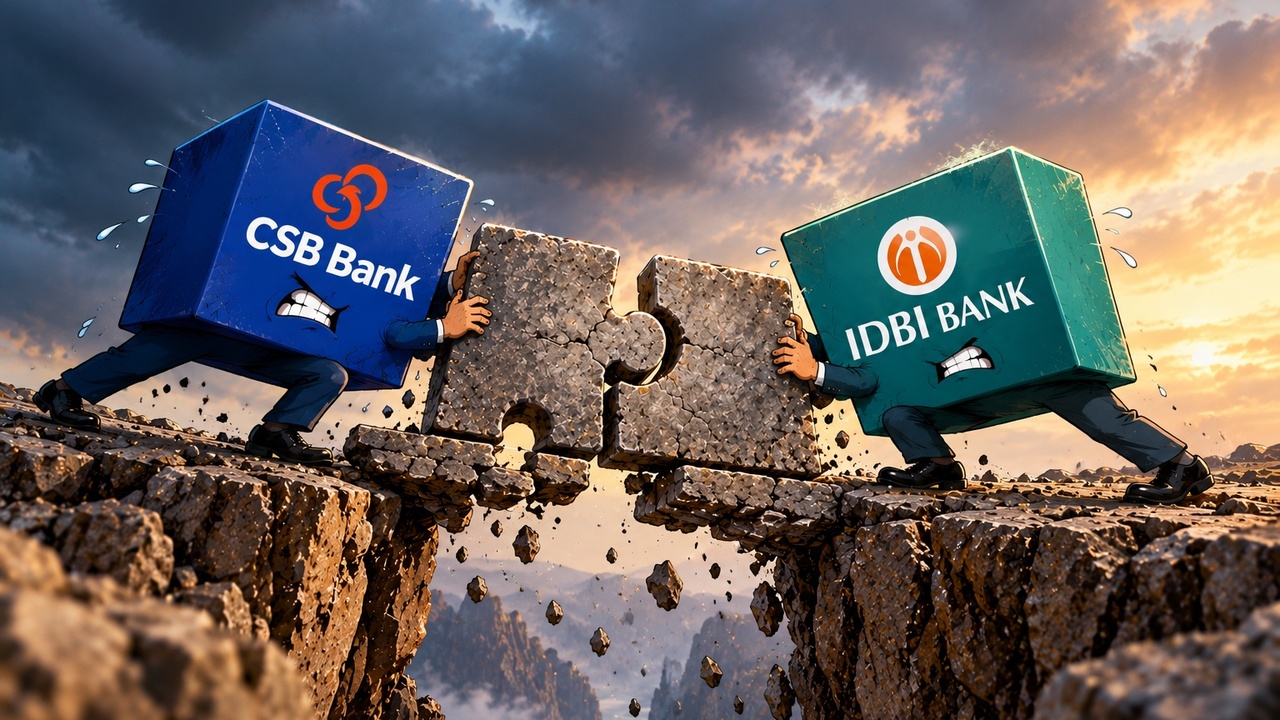
The acquisition of IDBI Bank puts his Fairfax smack dab in the middle of the RBI’s rules on bank ownership. It must now decide whether to sell CSB Bank or merge the two lenders, neither of which will be easy.

Lenders stand to gain a lot more than borrowers in the current challenging market environment

A local fintech deal to consolidate operations, feedback on Saudi Arabia’s proposed IPO rules, and Ras Al Khaimah’s casino economy.