/
•
•
Detailed stories on technology startups, business and economic current affairs.
On the streaming service’s India pangs and how an experienced player gets passed over in a misguided quest for a new operating system.



Harveen here. Last week, Reed Hastings made a comment about India and that’s all that the business press has talked about ever since. On a webcast, the founder and CEO of Netflix said: “The thing that frustrates us is why we haven't been as successful in India. But we're definitely leaning in there."
It opened a can of worms. Reams have been written in less than a week on what Netflix’s problem in India is and how it should solve it. All sorts of analyses and criticisms have been published, sending the Netflix India team into disarray. The statement also …

India’s grocery and food delivery platforms are increasingly displaying misleading images of food using artificial intelligence, defeating the very purpose of buying online.
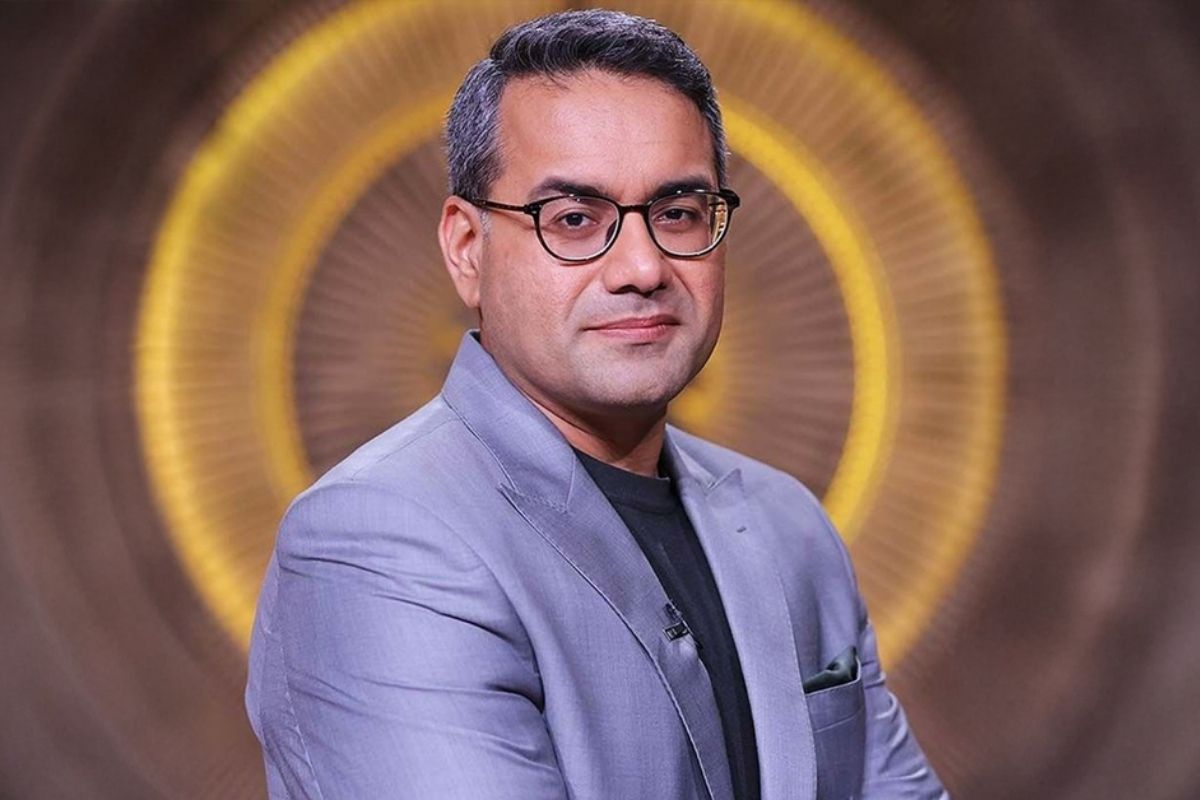
Parent AceVector is headed for a public market debut next week. As much as 97% of its revenue comes from two businesses. One is already a listed entity, the other a missed opportunity.

After 15 years, more than $550 million in funding and over $200 million in revenue, the cloud kitchen startup must find a way to make a profit and go public. Grover is the man Rebel has chosen for the job.