/
•
•
Detailed stories on technology startups, business and economic current affairs.
The scooter rental startup seems to be at its wit’s end, and it seems founders and investors have given up on the company



From a high in 2019, with huge funding rounds and big funds jostling to invest, mobility startups have had a terrible time the past couple of years. The COVID-19 pandemic meant revenue largely dried up, investors turned sceptical of the economics of the market and companies pivoted sharply.
Ola, the cab-hailing startup, sharply cut back on costs to stem the bleeding of capital, and while the company says business has returned to pre-pandemic levels, it’s looking to diversify more into verticals such as food and grocery delivery. Founder and CEO Bhavish Aggarwal also seems to be focused far more on …
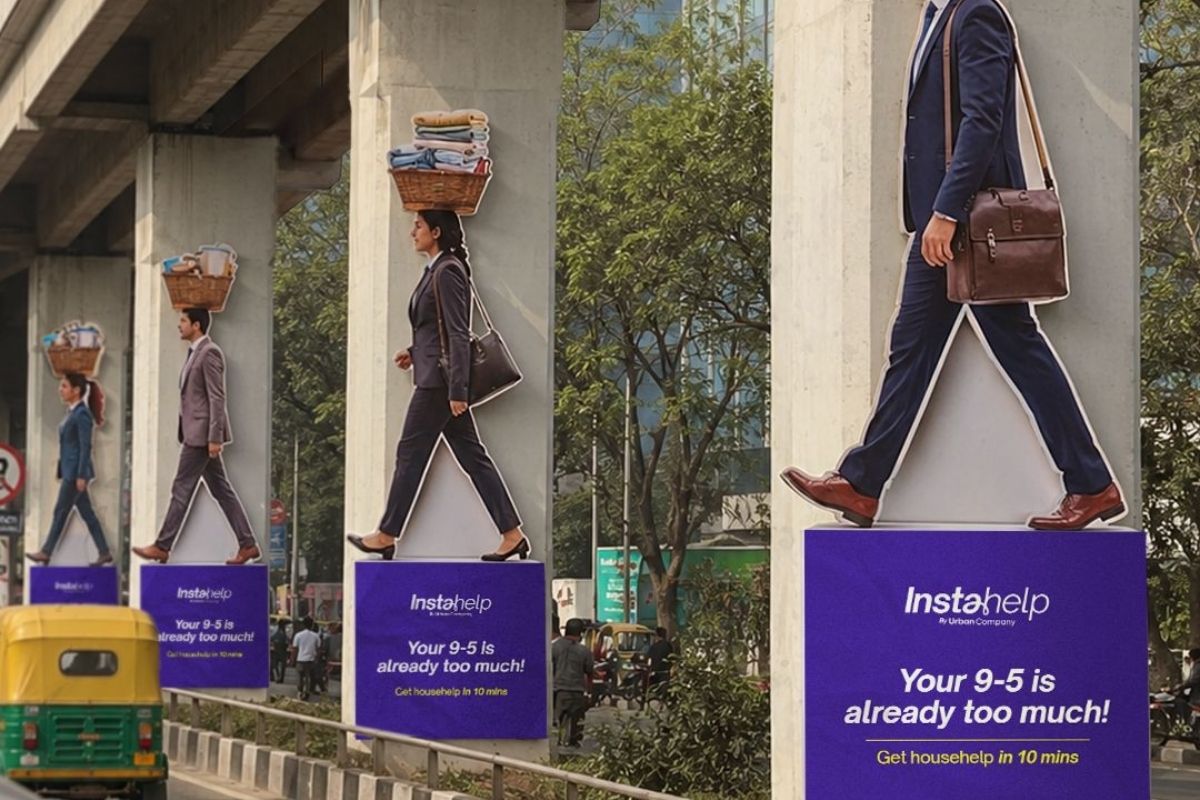
The instant house help business has become the centre of focus and investment at the home services company. But another fight may be brewing in its core business.

India’s grocery and food delivery platforms are increasingly displaying misleading images of food using artificial intelligence, defeating the very purpose of buying online.

Parent AceVector is headed for a public market debut next week. As much as 97% of its revenue comes from two businesses. One is already a listed entity, the other a missed opportunity.