/
•
•
Detailed stories on technology startups, business and economic current affairs.
More than two years in, the neobanking startup has been beset by challenges—but a fresh push for credit products may get it rolling.




When Jitendra Gupta raised $24 million in September 2019 to fund his second venture, the industry was buzzing with expectations. It was one of the largest Series A rounds India had ever seen at the time, second only to CRED’s $25 million in September 2018.
Gupta had a track record as a successful fintech founder and operator. Along with his co-founders, he pulled off one of the Indian fintech industry’s biggest exits by selling payment gateway startup Citrus Pay to Naspers-backed PayU for $130 million in 2016. The deal saw early investor Sequoia Capital book more than 4x returns on …
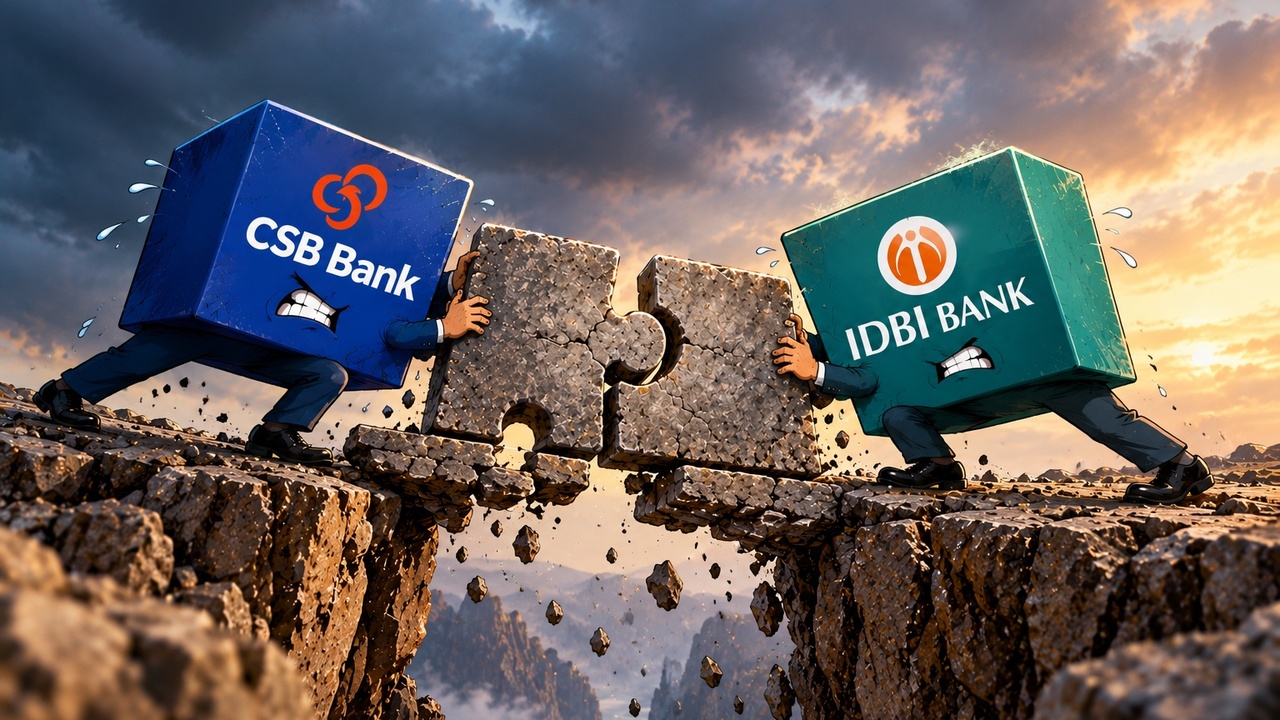
The acquisition of IDBI Bank puts his Fairfax smack dab in the middle of the RBI’s rules on bank ownership. It must now decide whether to sell CSB Bank or merge the two lenders, neither of which will be easy.

Lenders stand to gain a lot more than borrowers in the current challenging market environment
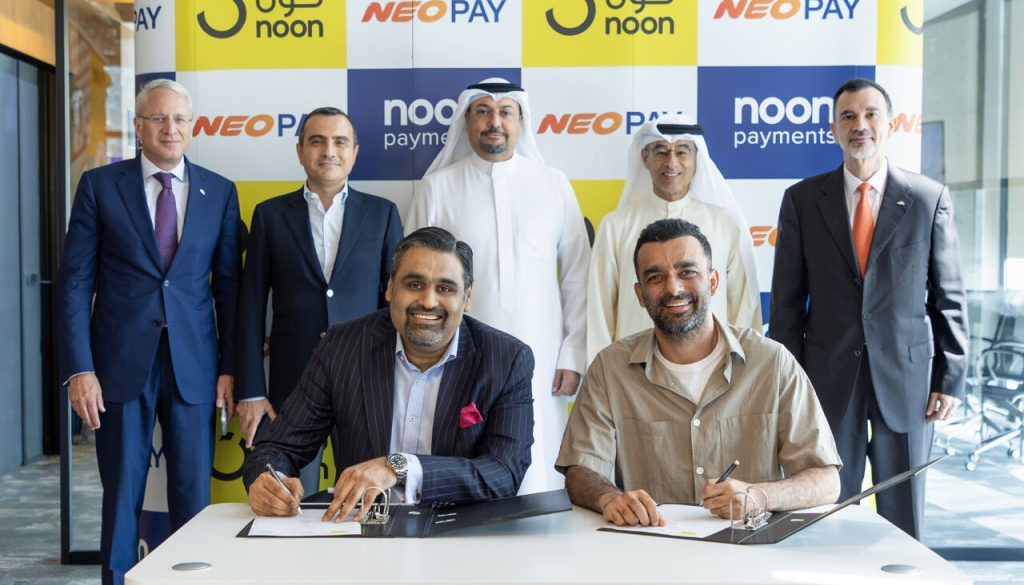
A local fintech deal to consolidate operations, feedback on Saudi Arabia’s proposed IPO rules, and Ras Al Khaimah’s casino economy.