/
•
•
Detailed stories on technology startups, business and economic current affairs.
Quick to tie up with fintech startups, India’s P2P lending platforms have done little to address the lack of transparency about borrowers and links with dubious loan apps.



Last week was particularly interesting for India’s peer-to-peer lending platforms. Two contrasting trends emerged.
On Friday, fintech startup CRED announced that it will buy a minority stake in peer-to-peer lending platform LiquiLoans for $10 million (roughly Rs 80 crore), valuing it at $200 million. The move comes nearly a year after CRED partnered with the Mumbai-based P2P player to launch CRED Mint, a service that allows its customers to lend to one another through LiquiLoans at an interest rate of up to 9% annually.
The same week, digital payments firm MobiKwik launched a similar feature on its app. The service, …
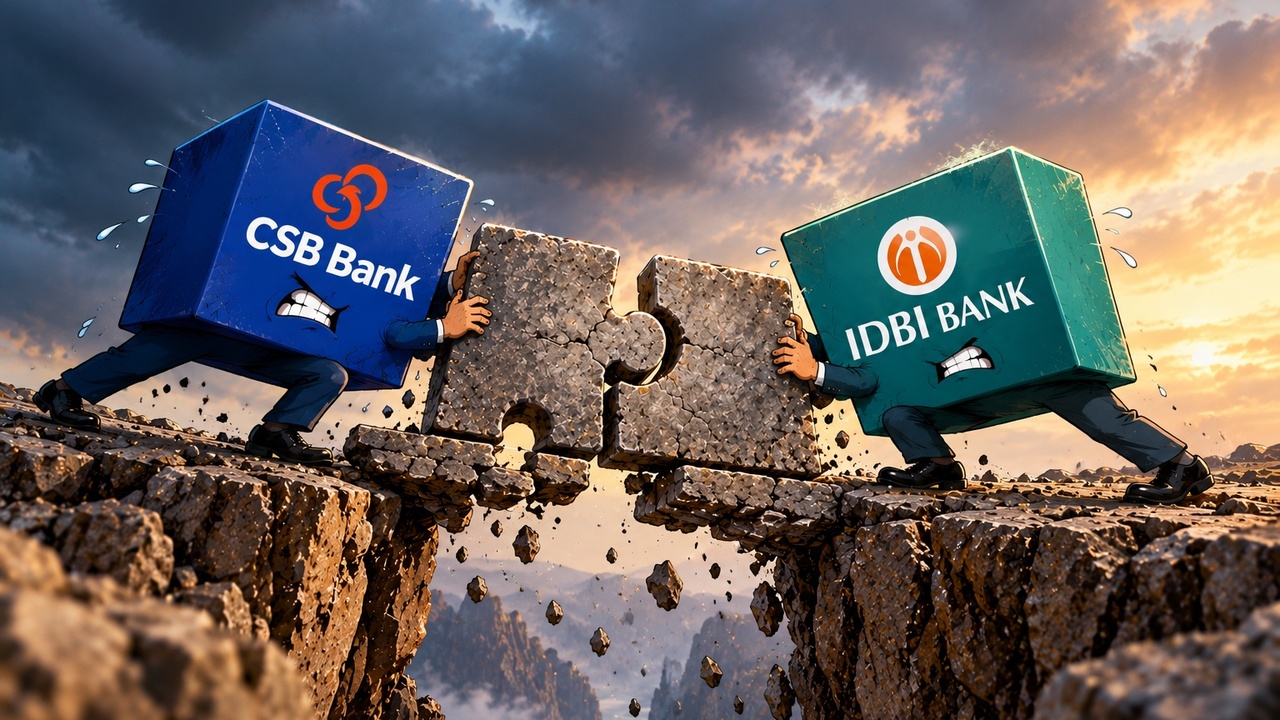
The acquisition of IDBI Bank puts his Fairfax smack dab in the middle of the RBI’s rules on bank ownership. It must now decide whether to sell CSB Bank or merge the two lenders, neither of which will be easy.

Lenders stand to gain a lot more than borrowers in the current challenging market environment

The loan aggregator keeps sending updates on WhatsApp even to users who haven’t applied for a loan. The company is exploiting a grey area in India’s telecom regulatory framework and WhatsApp’s policies.