/
•
•
Detailed stories on technology startups, business and economic current affairs.
The concerns flagged by PhonePe owner Walmart for not going ahead with the acquisition are emblematic of all that’s wrong with the buy now pay later business in India.




ZestMoney’s distress sale to PhonePe is off, The Economic Times reported last week. The reason: PhonePe’s owner, Walmart, decided against the deal after the Bengaluru-based buy now pay later startup failed to pass its due diligence test.
This undoubtedly puts ZestMoney, one of the pioneers of India’s online buy now pay later industry, in serious trouble. According to media reports, the company is now preparing for layoffs across departments as it is on the verge of running out of funds with no other prospective buyer in sight.
The unravelling of ZestMoney’s operations over the last year and its subsequent …
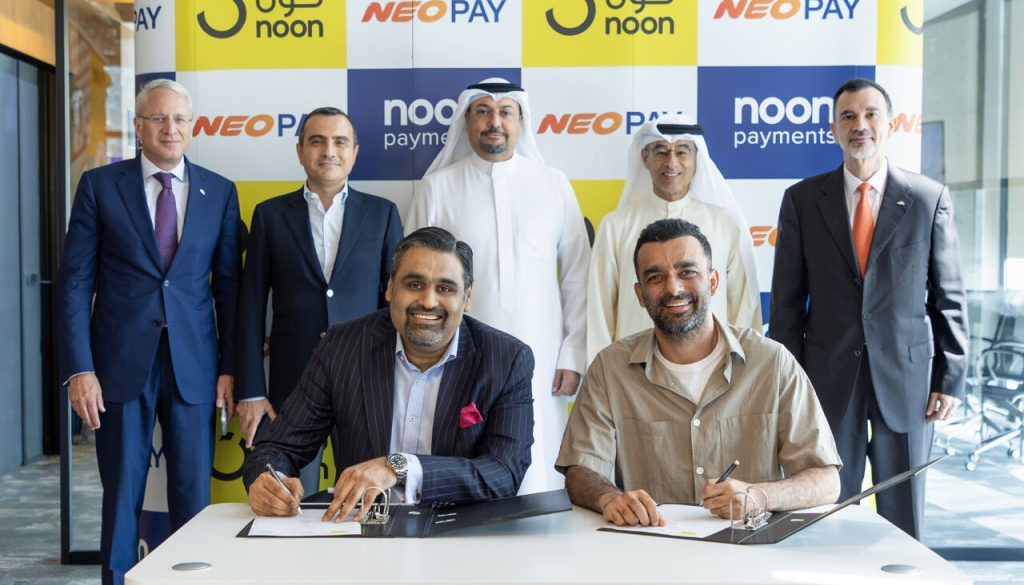
A local fintech deal to consolidate operations, feedback on Saudi Arabia’s proposed IPO rules, and Ras Al Khaimah’s casino economy.

Billionaire Mohamed Alabbar goes for the Indian Ocean archipelago, India’s PhonePe gets UAE approval, and other updates from the week.

The newly announced levy on UPI payments undermines the very foundation of using digital payments for stock market investing. Brokers are in a tizzy.