/
•
•
Detailed stories on technology startups, business and economic current affairs.
The automaker is suddenly the flavour of the season and is poised to grab a double-digit share of the passenger vehicle market for the first time in over a decade. What’s changed?



On 16 March 2020, Tata group chairman N. Chandrasekaran got himself 200,000 shares of Tata Motors, a company that he is also the chairman of. His purchase came even as the prospect of a nationwide lockdown to tackle the COVID-19 pandemic was looming, and the share price of India’s largest commercial vehicle manufacturer had plummeted more than 50% in two months; in fact, it was just shy of its all-time low.
Soon after, Tata Motors announced one of its worst quarterly performances, reporting a loss of Rs 9,894 crore for the three months ended March 2020. The poor economic outlook …
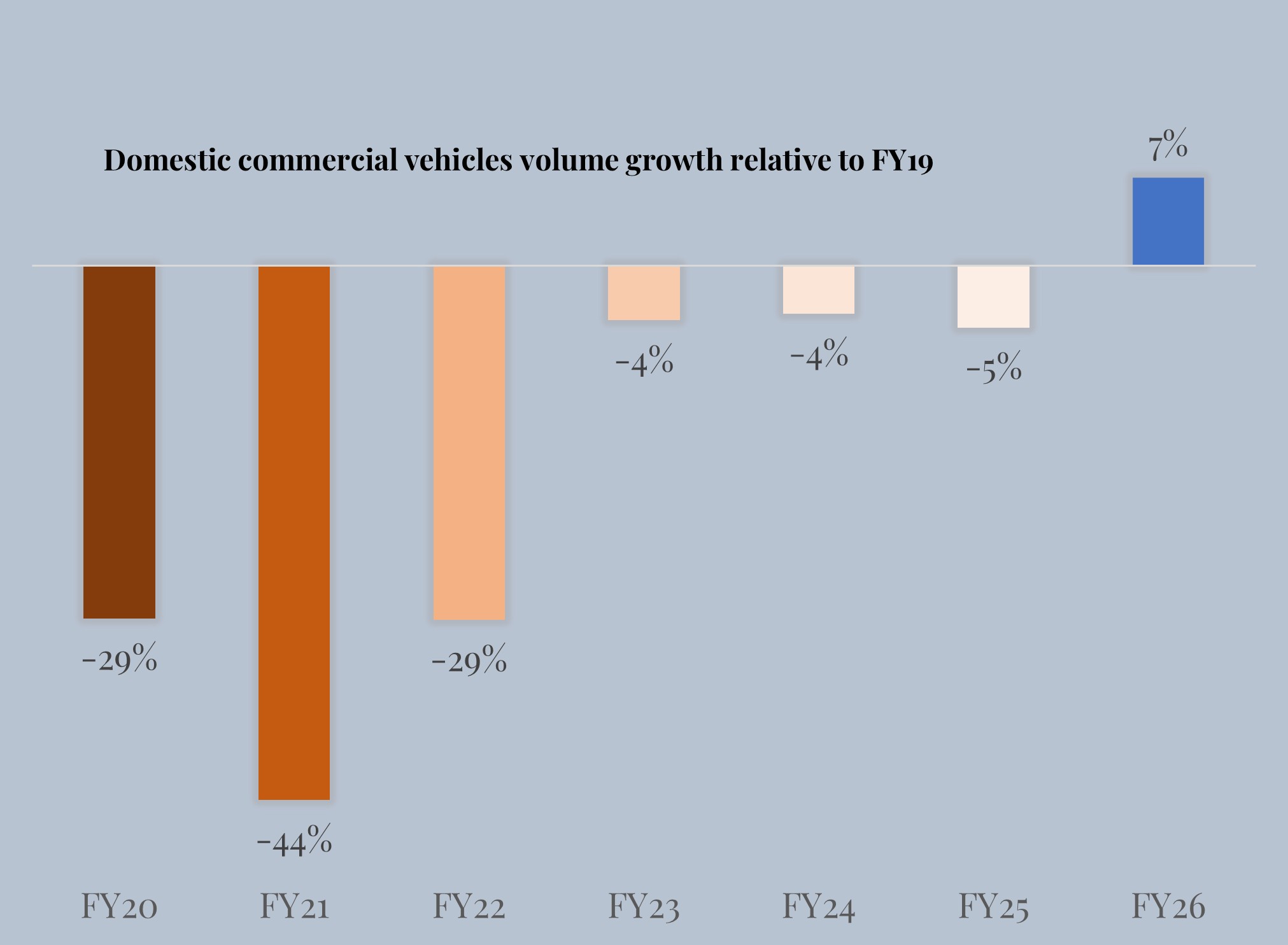
FY26 numbers for the three major CV makers show resilience and all-around growth. This doesn’t look anything like the undifferentiated sector it once was.
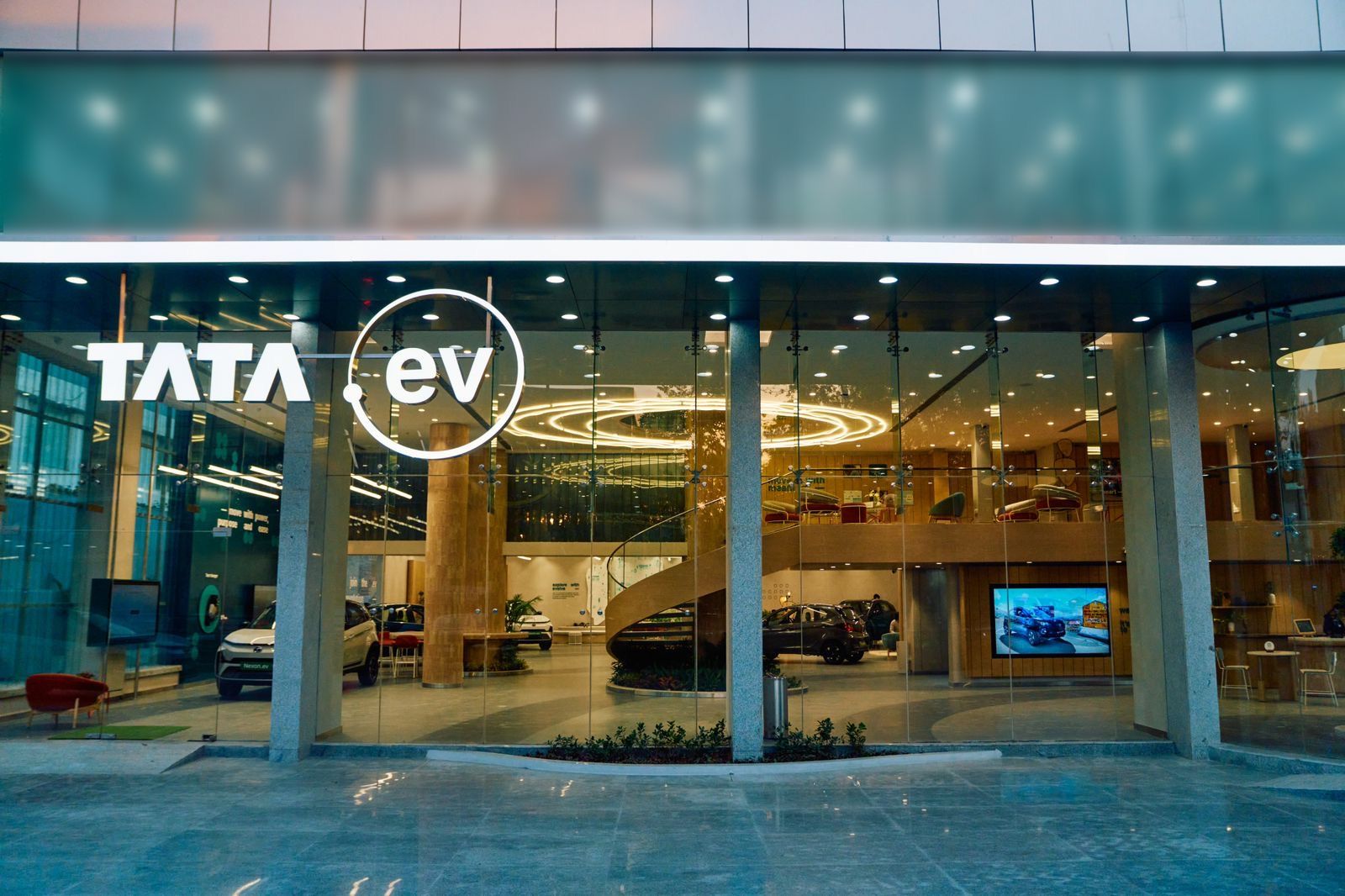
The automaker that virtually created India’s electric car market is forced to offer record discounts, even as rivals surge and competition is set to get fiercer.
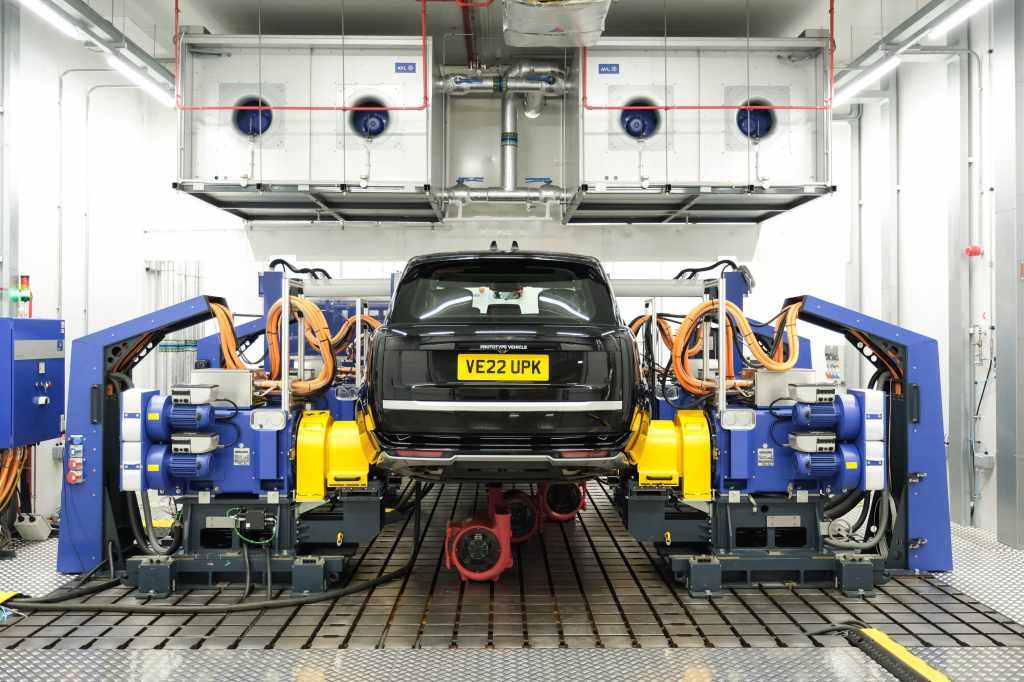
What began as an operational outage has turned into a data breach affecting employees (past and present), exposing governance gaps that could prove costly for the UK automaker and the Tata group.